Best Fabric for Leggings
The best fabric for sewing leggings is a midweight 4-way stretch knit with spandex, about 250–300 gsm. How to pick by fiber, stretch, recovery and opacity.
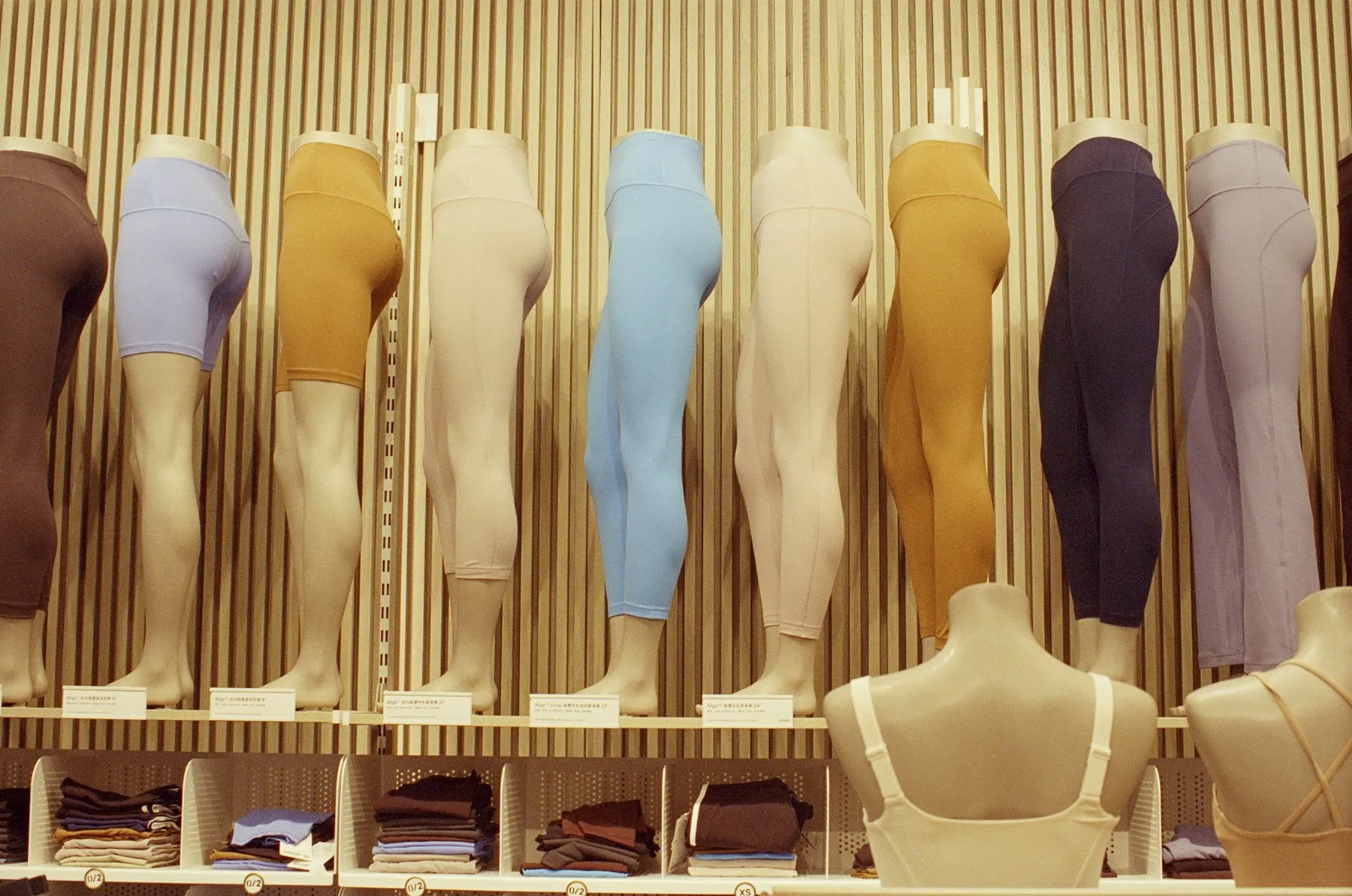
Most “best fabric for leggings” lists compare store-bought pairs. This guide is for people making them. When you buy legging fabric by the yard, you choose four things: the fiber blend, the stretch (and recovery), the weight, and whether it stays opaque. Get those right and almost any leggings pattern will turn out well.
What is the best fabric for leggings?
- Best for workout and activewear leggings: midweight nylon-spandex or polyester-spandex knit, around 250–300 gsm, with four-way stretch and strong recovery.
- Best for casual / lounge leggings: cotton-spandex jersey with at least 5% spandex (often closer to 5–10%), midweight enough to stay opaque.
- Best for compression-style leggings: a denser athletic knit with closer to 15–20% spandex and firm recovery.
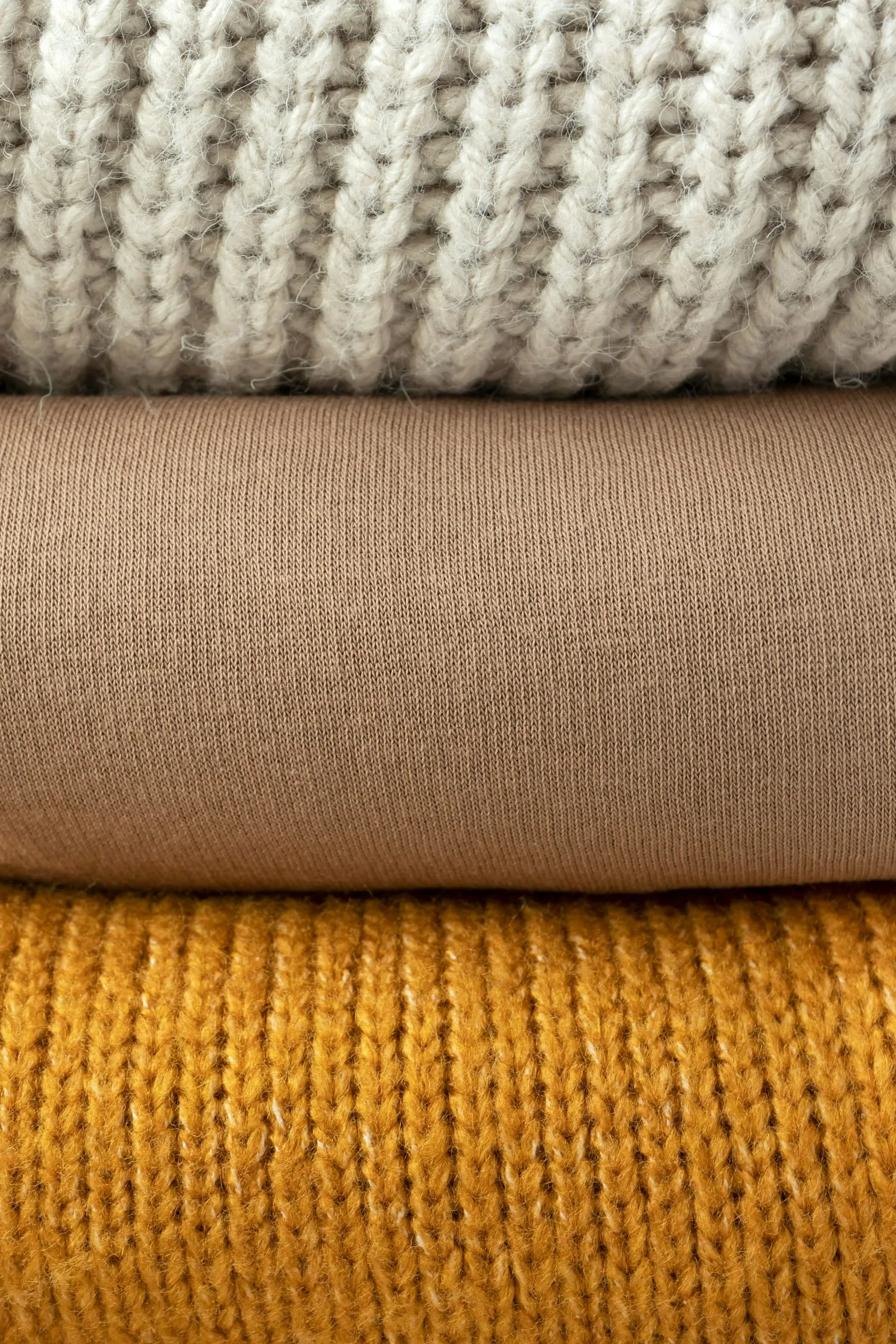
- Avoid for fitted leggings: plain cotton jersey with no spandex, lightweight tee jersey that goes sheer when stretched, and knits with poor recovery that bag at the knees.
The rest of this guide explains why, so you can match the listing on the bolt to your pattern.
Fiber: nylon-spandex, polyester-spandex or cotton-spandex?
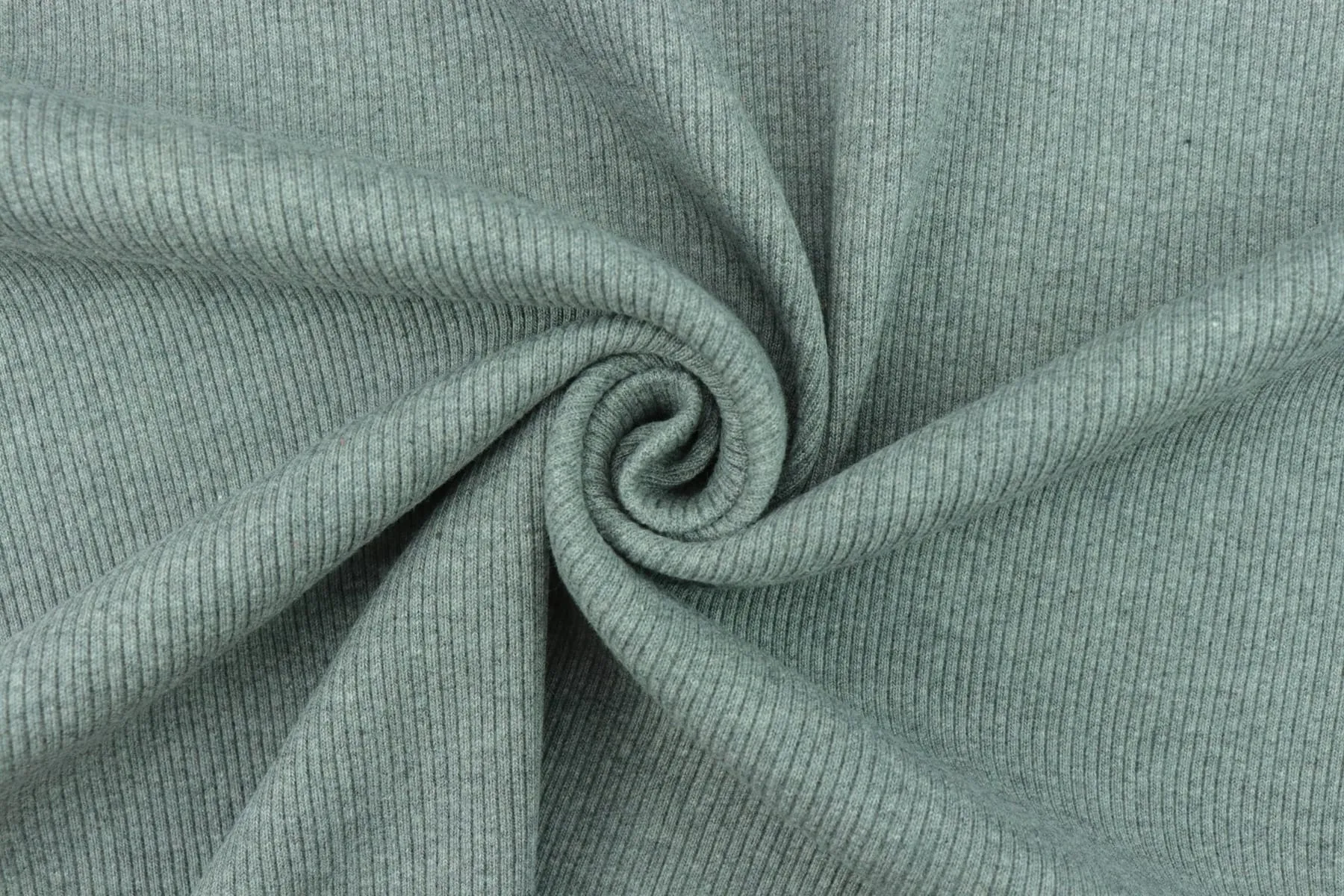
Spandex (also called elastane or Lycra) is almost never used alone. A few percent blended with nylon, polyester or cotton is what gives leggings their stretch and snap-back. Our fabric fiber guide covers each fiber in more detail; here is how the common blends behave in leggings.
| Blend | Feel | Moisture | Recovery | Best for |
|---|---|---|---|---|
| Nylon-spandex | Soft, smooth, “second-skin” | Moderate wick; dries fairly fast | Excellent | Performance and everyday activewear |
| Polyester-spandex | Slightly firmer hand | Strong wick; dries fast | Excellent | Workout and high-sweat wear |
| Cotton-spandex | Soft, breathable, familiar | Absorbs moisture; slower to dry | Fair to good | Lounge, errands, layering under clothes |
Johanna Lundström at The Last Stitch recommends a polyester or polyamide (nylon) mix with roughly 10–15% Lycra for workout leggings, and notes that around 20% is common for compression tights, though higher Lycra can feel more like swimsuit fabric. For casual leggings in cotton, wool or rayon-based jersey, she still wants at least 5% Lycra so recovery is good enough.
Cotton-spandex is comfortable, but cotton holds onto sweat and recovers less firmly than nylon- or polyester-spandex. That is fine for loungewear; for gym wear, a synthetic blend usually lasts longer at the knees and seat.
How much stretch do leggings need?
Leggings patterns are drafted with negative ease: the finished garment is smaller than your body, and the fabric stretches to fit. (Our guide to choosing a sewing pattern size explains how to read ease from a pattern’s charts.) That only works if the knit stretches far enough and springs back.
Two published patterns give a useful range:
- Megan Nielsen’s Virginia leggings ask for stretch fabric with at least 40% stretch, preferably with spandex or Lycra.
- The Last Stitch’s Aila leggings call for at least 65% crosswise stretch and at least 50% lengthwise stretch for that pattern’s draft.
Muna and Broad’s Loxton leggings are designed for bottomweight knits with good recovery and four-way stretch (athletic knits with spandex, cotton/spandex jersey and similar technical knits). Always check your pattern’s stretch requirement; the numbers above are starting points, not a universal rule.
How to measure stretch percentage
- Cut or mark a 10 cm (4 inch) section across the grain (usually the direction with more stretch).
- Hold it against a ruler and stretch it as far as it comfortably goes without straining the knit.
- If 10 cm stretches to 15 cm, that is 50% stretch. If it stretches to 16.5 cm, that is 65%.
Also check recovery: after you stretch and release, does the fabric snap back close to its original length? Poor recovery means baggy knees within a few wears. Our guide to measuring fabric stretch and recovery has a conversion table and a gauge you can make once and reuse.
Weight and opacity: why gsm matters
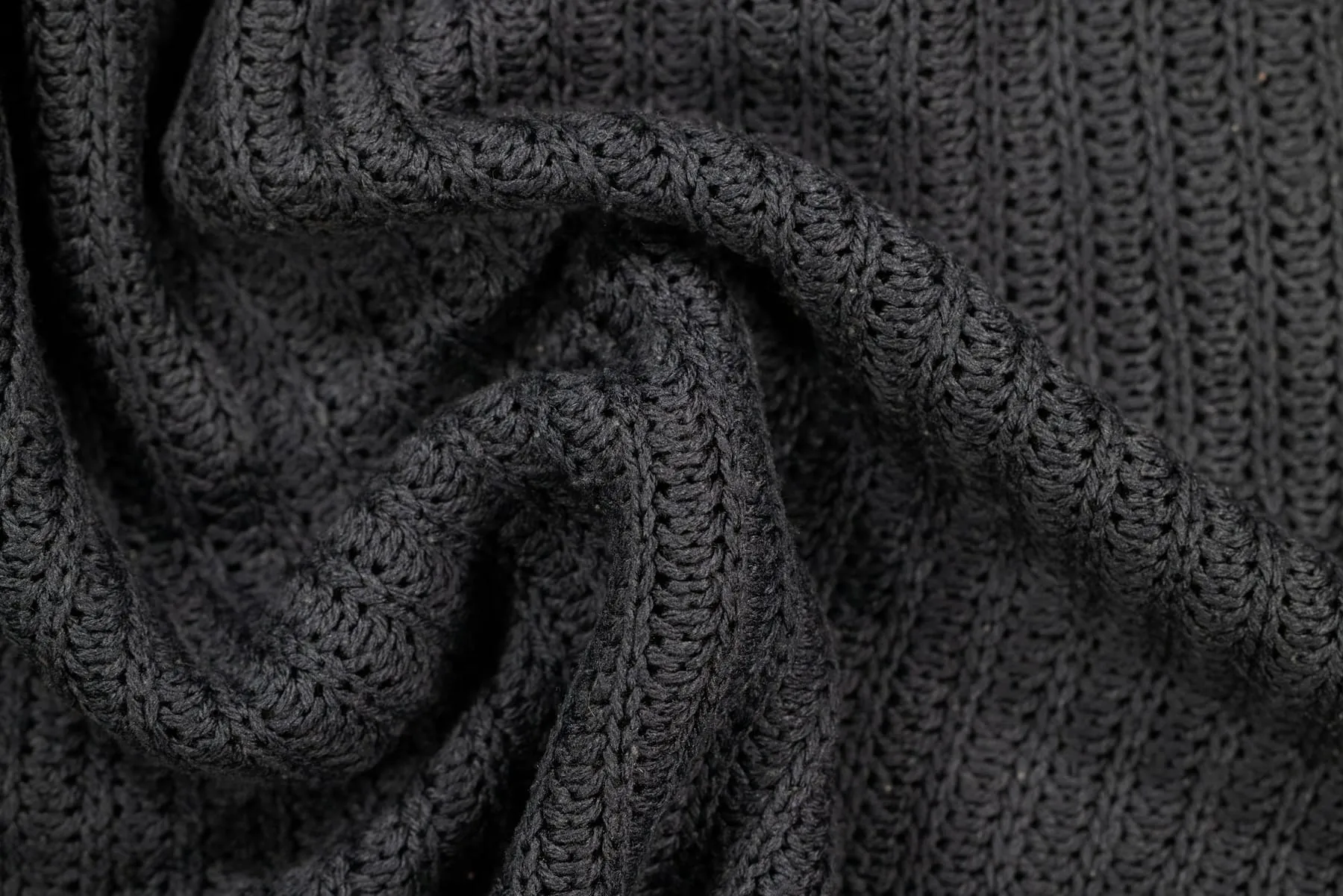
Thin jersey makes soft tees. On leggings, the same weight often goes sheer when you squat or stretch the fabric over the seat. Midweight knits hide that better.
The Last Stitch’s Aila guide puts a good ballpark at 250–300 g/m² (about 7.4–8.9 oz/yd²) for workout leggings, and advises not going under about 200 g/m² for that pattern unless recovery is excellent. That matches what many activewear mills list for solid-color legging knits.
| Weight (approx.) | Typical use in leggings |
|---|---|
| Under ~200 gsm | Risky for fitted leggings; often sheer when stretched |
| ~250–300 gsm | Sweet spot for most workout and everyday leggings |
| 300 gsm+ / compression knits | Firmer hold, more opaque, can feel warmer |
Listings may say ounces per square yard instead of gsm. Rough conversion: 1 oz/yd² ≈ 33.9 gsm, so 8 oz/yd² is about 270 gsm.
Do a squat / stretch test on a swatch before you cut: stretch the fabric over your hand or fist in bright light. If you can see skin tone clearly through it, choose a heavier or denser knit.
How much fabric do you need?
On 60-inch knit, most adult full-length leggings take roughly 1¼–2 yards, depending on size and pattern. Two published charts:
| Pattern | Width | Yardage |
|---|---|---|
| Megan Nielsen Virginia, View A | 60” | 1¼–1⅜ yd (US 0–20) |
| Megan Nielsen Virginia, View A | 45” | 1⅜–2⅝ yd (US 0–20) |
| Muna and Broad Loxton | 60” | 1.8 yd (sizes A–F) / 2 yd (G–M) |
| Muna and Broad Loxton | 45” | 2.1 yd (A–F) / 2.5 yd (G–M) |
Sources: The Fold Line listing for Virginia and Muna and Broad’s Loxton page. For a size-by-size number from the Virginia chart, use our free fabric yardage calculator.
Buy a little extra if you will prewash a cotton-spandex blend, or if the print is one-way.
How to sew legging fabric on a home machine
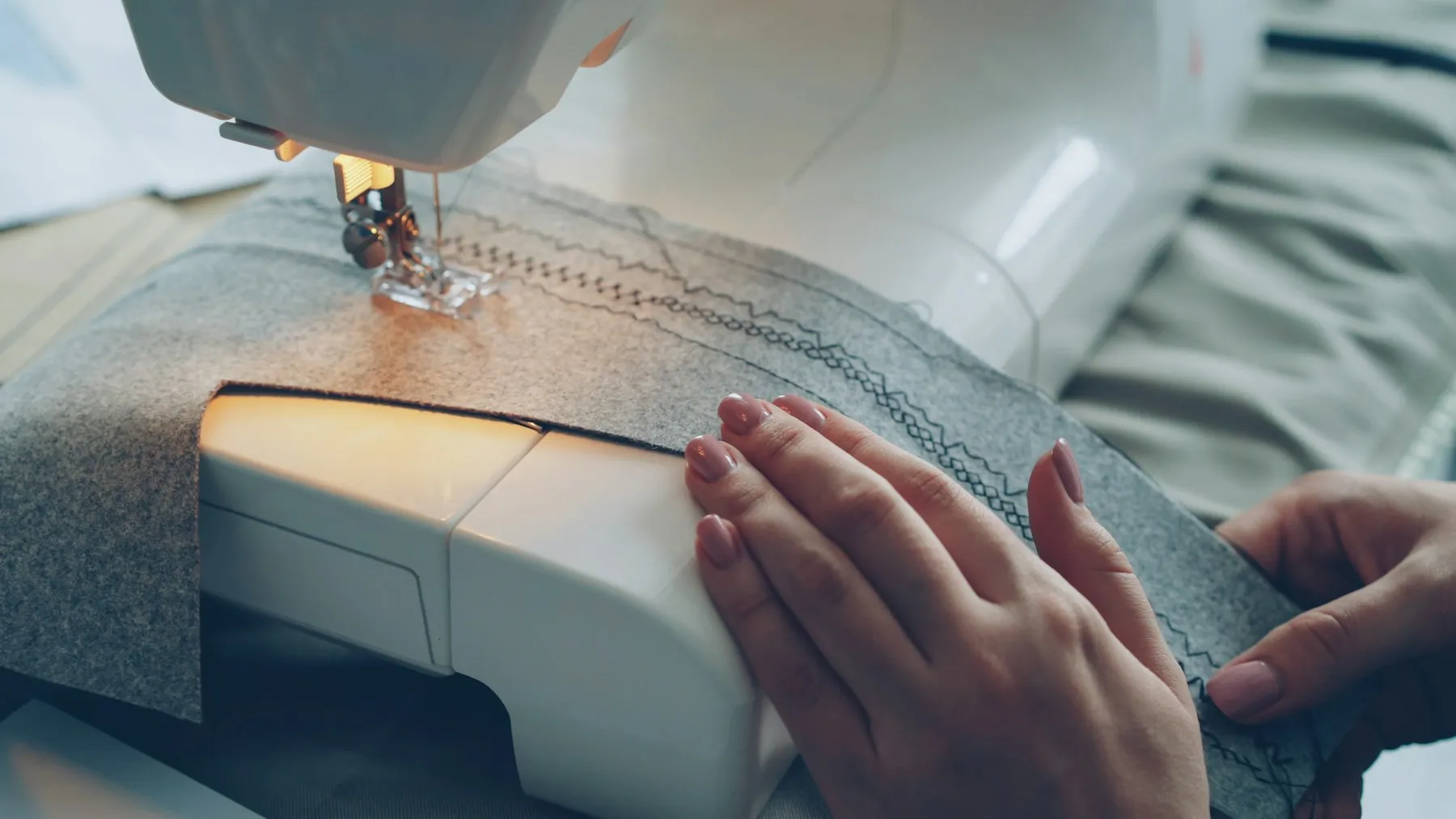
High-spandex knits skip stitches on a universal needle. Needle maker Schmetz recommends a stretch needle for elastic and highly elastic knits, especially fabrics with Lycra, spandex or elastic (Schmetz Stretch needle; four needles for jersey). Sizes 75/11 and 90/14 cover most midweight activewear; test on a scrap.
Sew seams with a narrow zigzag or stretch stitch so the thread can give when you pull the leggings on. Our guide to sewing knits without a serger covers needles, stitches and feeding. For hems that must stretch a lot (ankles on fitted leggings), a twin-needle hem can be limiting; see how to hem knits with a twin needle and prefer a zigzag hem or a coverstitch-style finish where the ankle has to stretch over the foot.
Care: keep the spandex alive
Spandex is damaged by high heat and chlorine bleach. The Last Stitch recommends washing activewear on a gentle cycle no warmer than about 40°C / 100°F, and air-drying rather than tumble-drying so the Lycra lasts longer. Hang or lay flat soon after a sweaty wear so odor does not set in. Our prewash guide covers fiber-by-fiber first washes; for cotton-spandex lounge leggings, wash the yardage the way you will wash the finished pair before you cut.
Which fabric for which pair?
| Pair you want | Search for | Spandex ballpark | Weight ballpark |
|---|---|---|---|
| Everyday workout leggings | Nylon-spandex or polyester-spandex athletic knit | ~10–15% | ~250–300 gsm |
| Compression / firm hold | Dense athletic or compression knit | ~15–20% | Midweight to heavy |
| Soft lounge / errands | Cotton-spandex jersey | ~5–10% | Midweight, opaque |
| Layering under dresses | Cotton-spandex or athletic knit | Pattern’s minimum | Opaque enough for your use |
| Cold-weather layer | Fleece-backed or brushed athletic knit | Per pattern | Heavier; check stretch |
If the swatch does not snap back, the knees will not either. Recovery matters as much as stretch percentage.
Common questions
What is the best fabric for sewing leggings?
A midweight four-way stretch knit with spandex: nylon-spandex or polyester-spandex for activewear (about 10–20% spandex, roughly 250–300 gsm), or cotton-spandex for casual loungewear. Match the stretch percentage to your pattern.
How much spandex should legging fabric have?
Workout patterns often work well around 10–15% Lycra/spandex; compression styles may use closer to 20%. Casual cotton-spandex leggings usually list about 5–10%. Always confirm against your pattern’s stretch test, not the percentage alone.
Can I sew leggings with regular cotton jersey?
Only if it has enough stretch and recovery for your pattern, which usually means a spandex blend. Plain cotton jersey without spandex bags out at the knees and is a poor choice for fitted leggings.
How do I know if fabric is squat-proof?
Stretch a swatch firmly over your hand in bright light (or ask the shop for a swatch). If you can see skin clearly through it, choose a heavier or denser knit. Midweight athletic knits around 250–300 gsm are less likely to sheer than lightweight tee jersey.
How much fabric do I need for leggings?
Megan Nielsen’s Virginia full-length view lists about 1¼–1⅜ yards on 60” fabric (US 0–20). Plus-size and panelled patterns such as Loxton list closer to 1.8–2 yards on 60”. Check your size on our yardage calculator.
Do I need a serger to sew leggings?
No. A regular machine with a stretch needle and a zigzag or stretch stitch will sew them. A serger is faster and neater on seam allowances, but it is not required. See how to sew knits without a serger.
Sources
- The Last Stitch (Johanna Lundström): Best fabric choices for workout leggings (Aila) (Lycra %, stretch %, gsm range, care)
- The Fold Line: Megan Nielsen Virginia leggings (40%+ stretch, yardage)
- Muna and Broad: Loxton leggings (4-way stretch athletic knits, yardage)
- Schmetz: Stretch needle (elastic / high-spandex knits)
- Schmetz: Four needles for jersey (stretch vs jersey needle)
Free printable · The newsletter
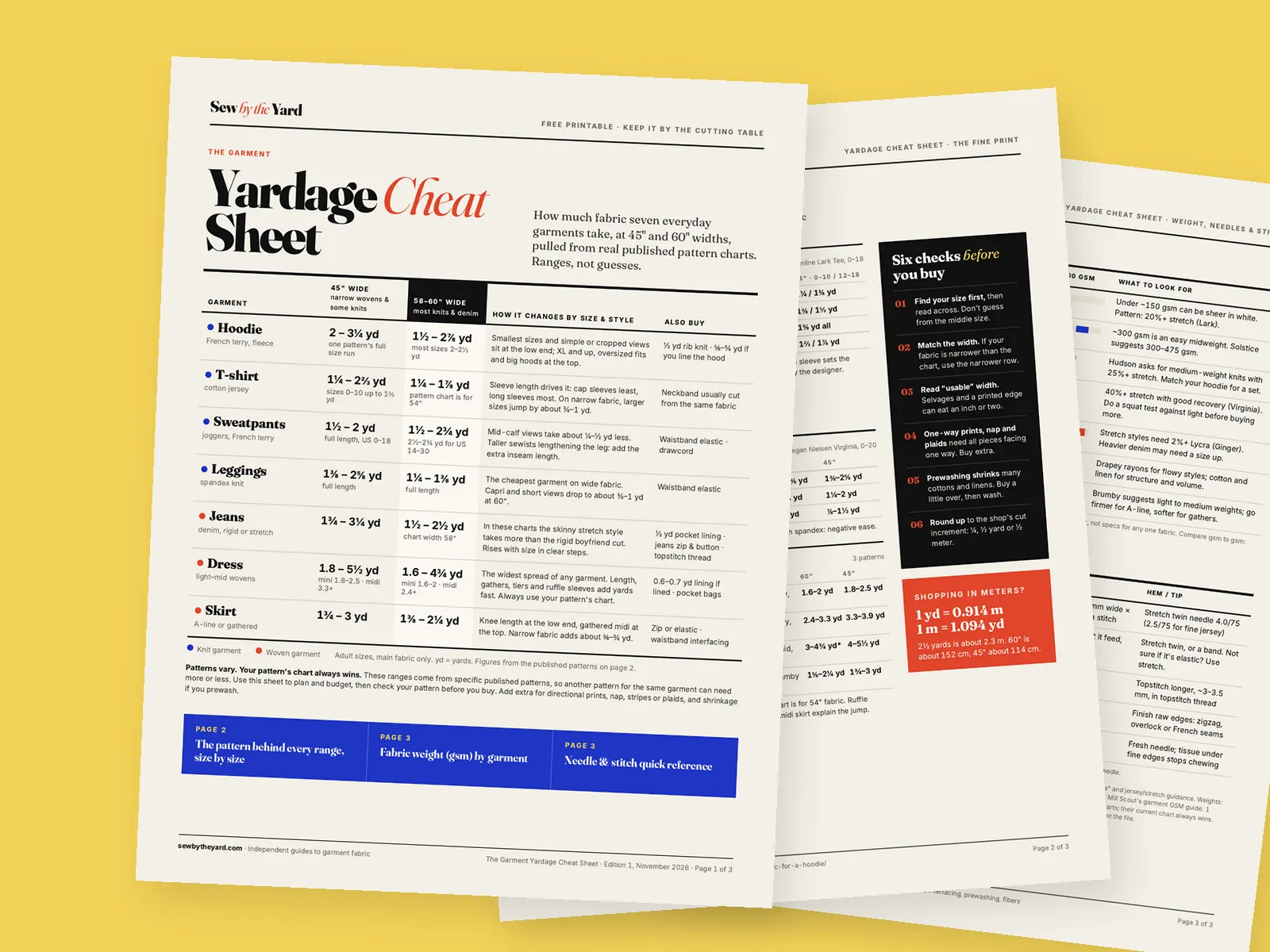
Never guess yardage again.
Join the Sew by the Yard newsletter and get The Garment Yardage Cheat Sheet: fabric amounts for seven garments at 45" and 60", a fabric-weight guide and a needle chart, on three printable pages.