A Fabric Fiber Guide for Garment Sewing
How cotton, linen, wool, polyester, rayon (viscose) and spandex blends behave, how to care for and press each one, and which garments to sew with them.
The six fibers you’ll meet most in garment sewing are cotton, linen, wool, polyester, rayon (viscose) and spandex (elastane). Cotton is the breathable, easy-to-sew all-rounder for tees, shirts, hoodies and jeans. Linen is cool and strong but wrinkles a lot. Wool is warm and wrinkle-resistant but can felt in a hot wash. Polyester is easy-care but holds little moisture and needs a low iron. Rayon drapes beautifully but is weak when wet. Spandex adds stretch and recovery to blends. The quick-reference table below compares all six.
Fiber content is the first line on most fabric listings, and it tells you more than the name of the fabric does. “Jersey,” “twill” and “crepe” describe how a fabric is made. The fiber tells you how it will breathe, wrinkle, shrink and press.
Natural and manufactured fibers
- Natural fibers come from plants or animals. Cotton and linen are plant (cellulose) fibers. Wool and silk are animal (protein) fibers.
- Manufactured fibers are made in a factory. Some, like rayon, are made from natural cellulose (usually wood pulp) that’s dissolved and re-formed into fiber. Others, like polyester, nylon and spandex, are synthetic polymers.
In the U.S., the FTC sets the generic names that go on labels in 16 CFR 303.7. It defines rayon as regenerated cellulose and allows lyocell as the name for one type of rayon. The rule also recognizes the international ISO 2076 names, which is why you’ll see both spandex and elastane, and both rayon and viscose, on labels and listings.
Quick reference
| Fiber | Breathes | Wrinkles | Iron | Sew it into |
|---|---|---|---|---|
| Cotton | Yes, absorbent | Yes, unless treated | Hot, with steam | Tees, shirts, hoodies, jeans, dresses |
| Linen | Yes, wicks well and dries fast | A lot | Hot, while damp | Summer shirts, trousers, dresses |
| Wool | Yes, absorbent | Resists wrinkles | Steam, with a press cloth | Coats, jackets, trousers, skirts |
| Polyester | Absorbs little moisture | Resists wrinkles | Low | Linings, activewear, easy-care blends |
| Rayon / viscose | Yes, absorbent | Easily | Medium | Dresses, blouses, wide-leg trousers |
| Spandex blends | Depends on the main fiber | Depends on the main fiber | Low, and keep heat brief | Leggings, fitted tees, stretch denim |
The properties above follow the University of Georgia Extension’s fiber care chart, the source for most of the fiber details below.
Cotton
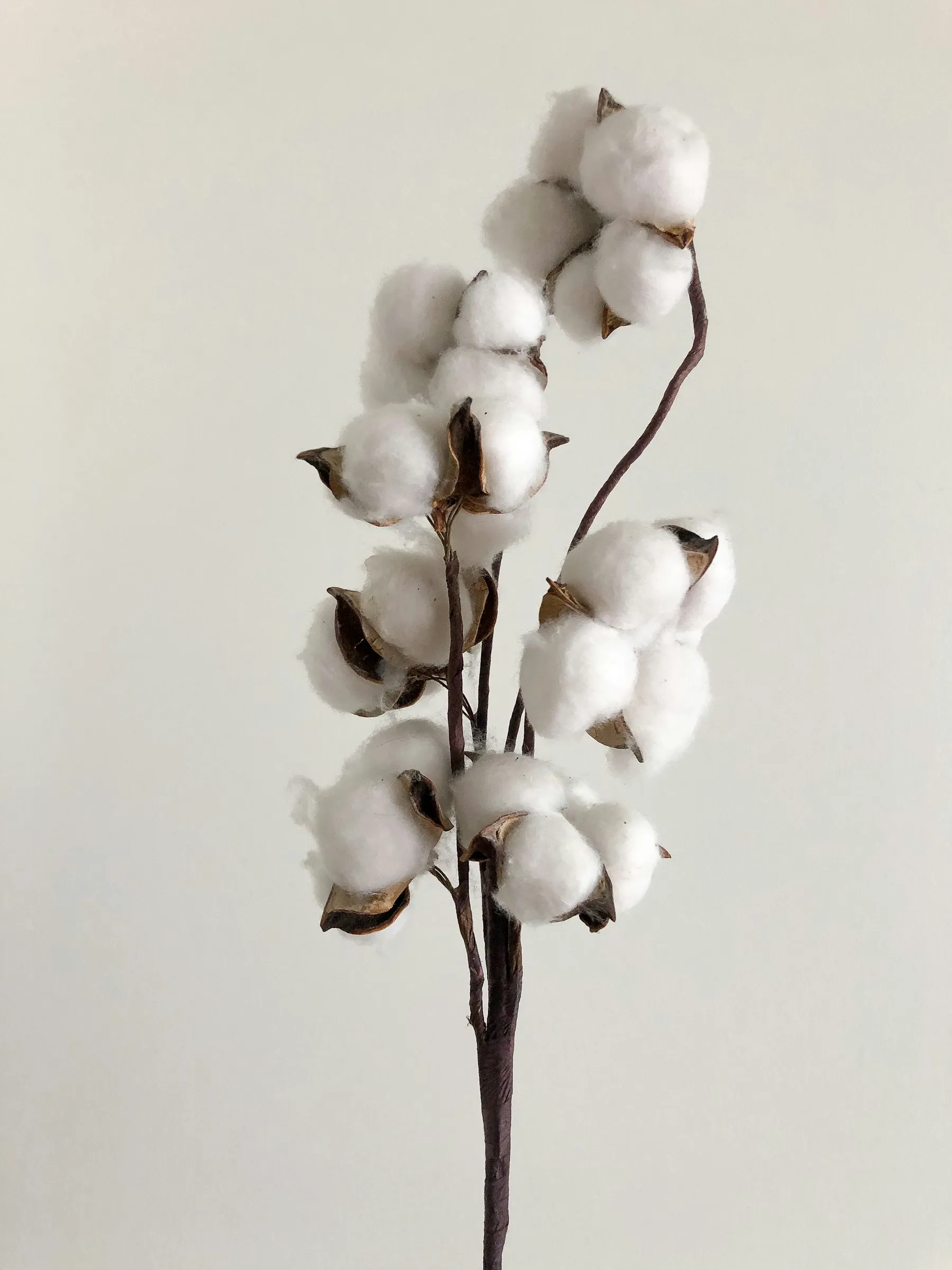
Cotton is the fiber most home sewists start with. UGA lists it as absorbent, cool, comfortable, durable and economical. Its drawbacks are that it wrinkles unless treated and it can scorch, though it doesn’t melt.
- Sew with it: woven cotton for shirts, dresses and trousers (poplin, lawn, twill, and denim for jeans) and cotton knits for tees and hoodies (jersey, interlock, French terry, fleece). Our T-shirt yardage chart and lined tote bag pattern are two easy cotton projects to start with.
- Watch for: shrinkage, especially in knits. Prewash it the way you’ll wash the garment.
- Why beginners like it: it presses crisply, holds a fold and doesn’t slip around while you cut.
Linen
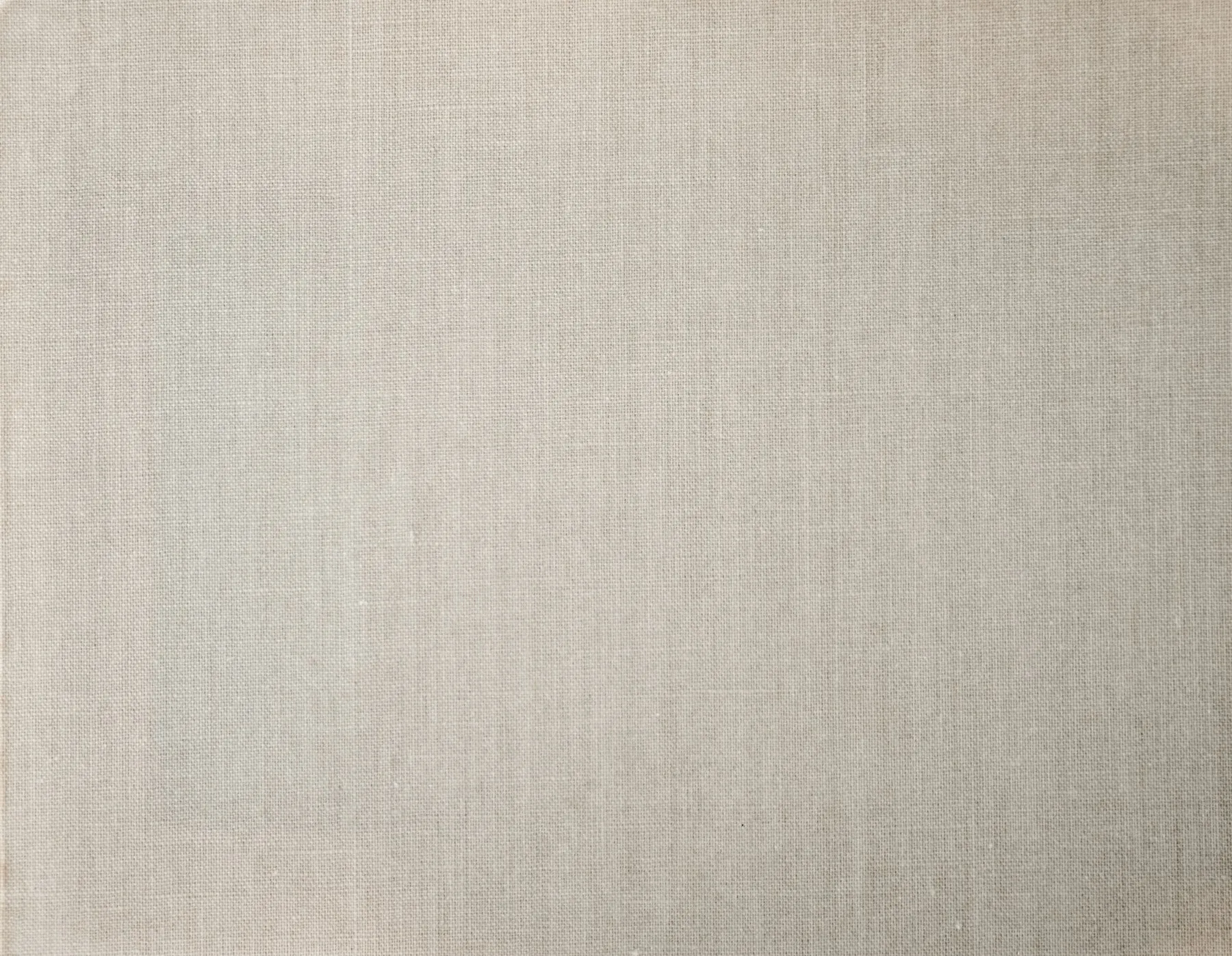
Linen is made from flax. UGA calls it the best wicking of the natural fibers, so it’s cool to wear and dries quickly. It’s strong and durable with a soft sheen. The catch: it wrinkles badly, and creasing it in the same place over and over can weaken it.
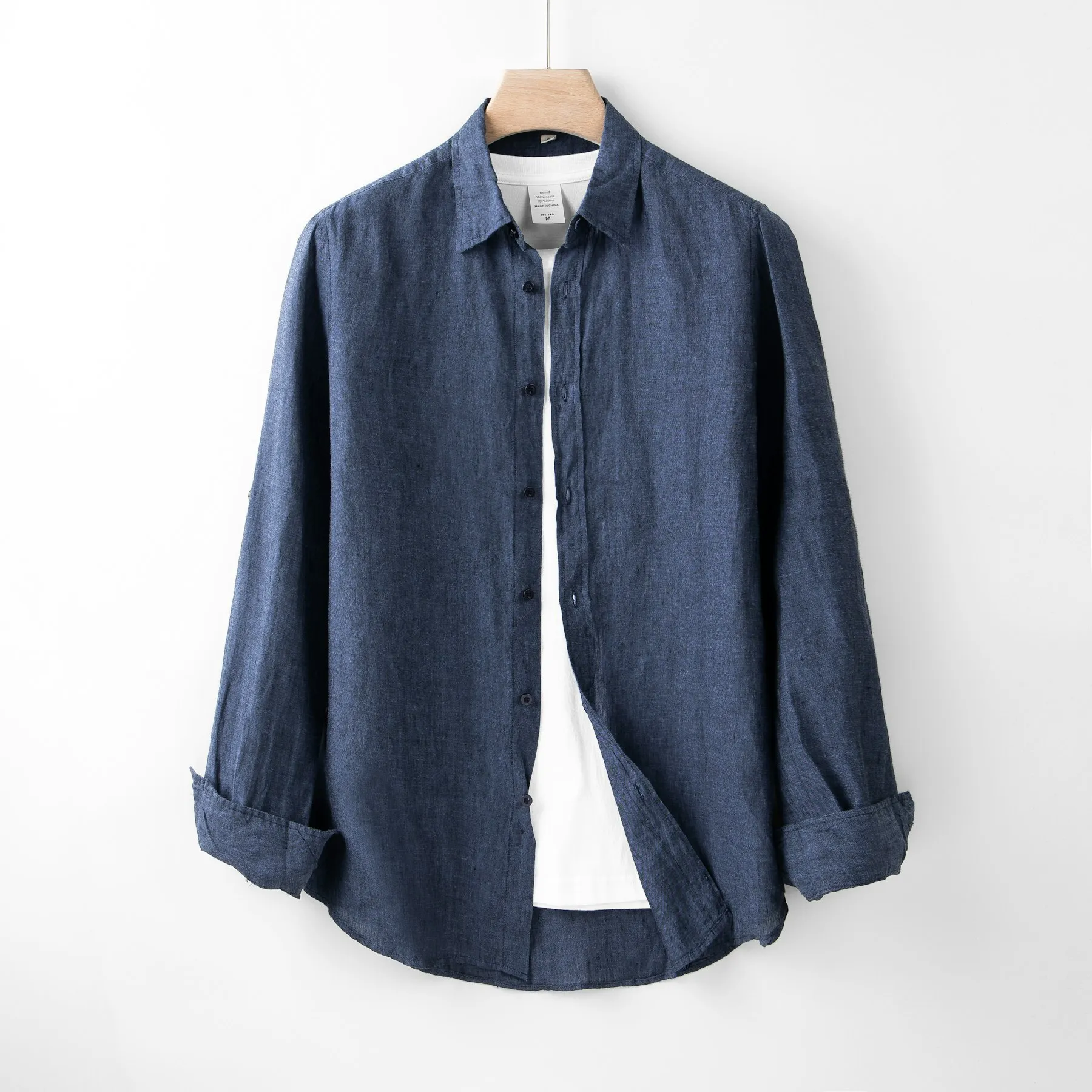
- Sew with it: summer shirts, loose trousers, dresses, and anything you want to wear in heat.
- Watch for: fraying, so finish the seams. Linen can shrink and softens noticeably when washed, so prewash it.
- Pressing: UGA recommends a hot iron on damp linen. Press on the wrong side for a matte finish, the right side for sheen.
Wool
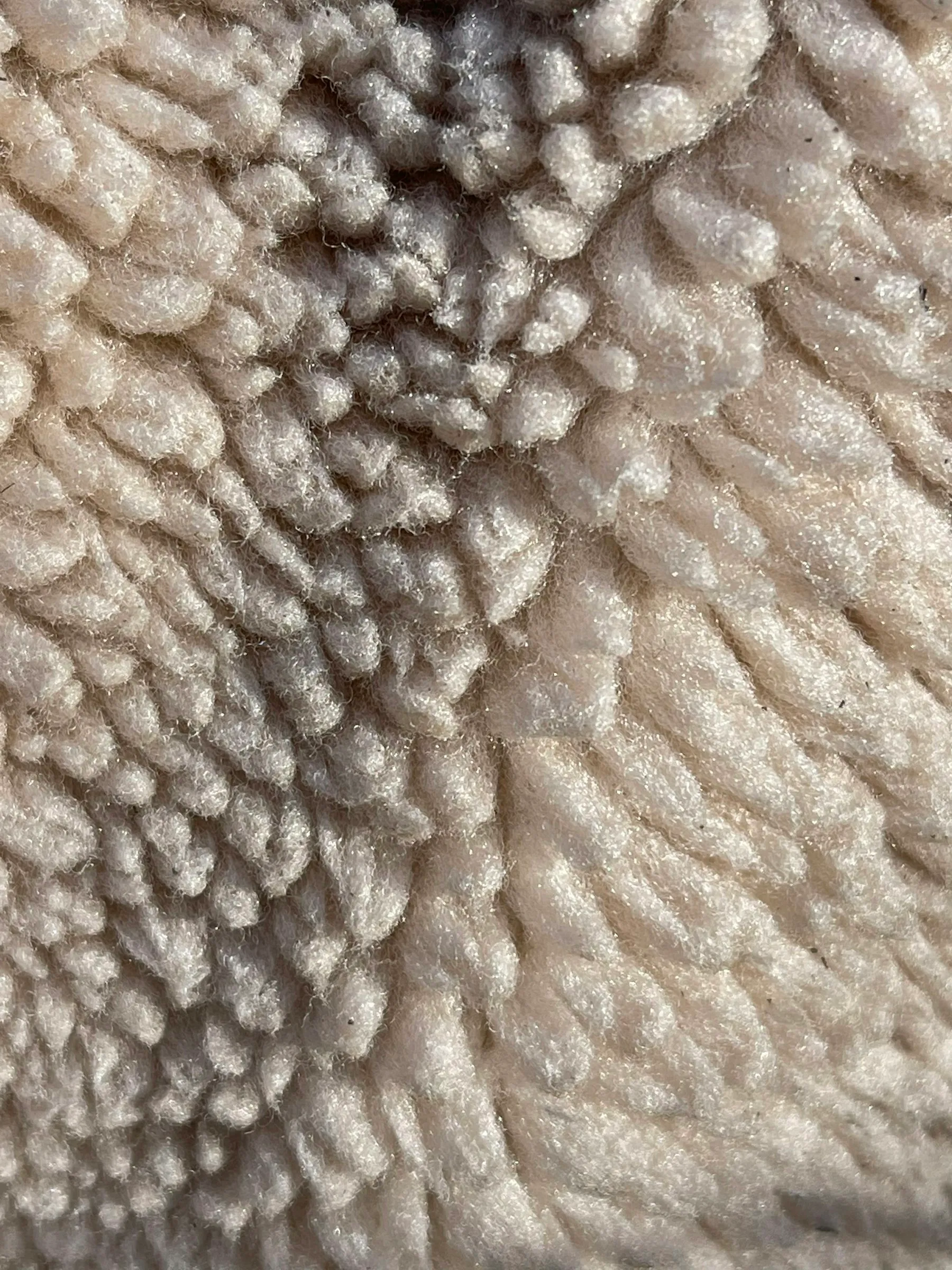
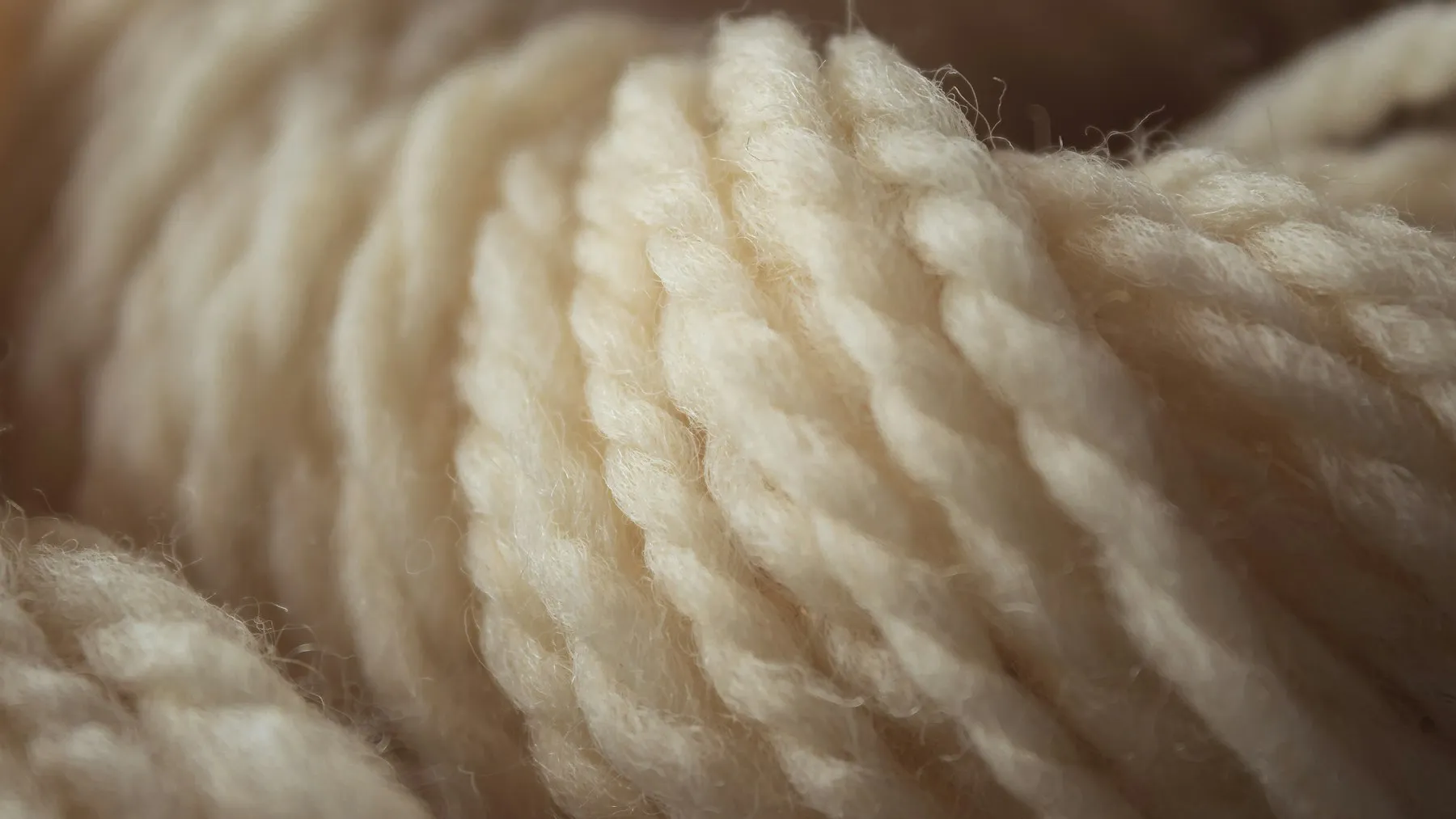
Wool is warm, absorbent and wrinkle-resistant, and it molds and shapes easily when pressed with steam. That’s why tailors love it: you can steam a sleeve cap smooth or shape a collar in a way that cotton won’t allow.
- Sew with it: coats, jackets, trousers, skirts, and fine merino jersey for base layers and tees.
- Watch for: felting. Woolmark explains that heat, moisture and agitation make wool’s surface scales lock together, shrinking the fabric permanently. “Superwash” or machine-washable wool has been treated to prevent this.
- Pressing: use steam and a press cloth. UGA notes that dry heat damages wool.
Polyester
Polyester is a synthetic that’s strong, wrinkle-resistant and holds pleats and creases. It’s easy to wash and resists sun, mildew and moths. On the other side, it absorbs little moisture and can hold onto body odor, it may pill, and it melts if the iron is too hot.
- Sew with it: linings, activewear, crepe and chiffon for blouses, and blends like poly-cotton, where it cuts down on wrinkling and shrinking.
- Watch for: heat. Press on a low setting and test on a scrap. A pressed crease can be hard to remove because polyester heat-sets.
- Thread: polyester all-purpose thread is the usual match.
Rayon, viscose, modal and lyocell
Rayon is made from regenerated cellulose, so it behaves more like cotton than like polyester. It’s absorbent, takes dye beautifully and drapes fluidly. UGA notes it wrinkles easily, is weaker when wet and may shrink or stretch unless treated. Viscose is the common name for rayon outside the U.S. Modal and lyocell are types of rayon, and UGA says high-wet-modulus rayon is stronger and behaves more like cotton.
- Sew with it: flowing dresses, blouses, skirts and wide-leg trousers. Rayon jersey makes very drapey tees.
- Watch for: shifting while you cut. Use plenty of pins or pattern weights and a sharp rotary cutter. Wash gently and dry flat or line-dry, especially the first time.
Spandex and elastane blends
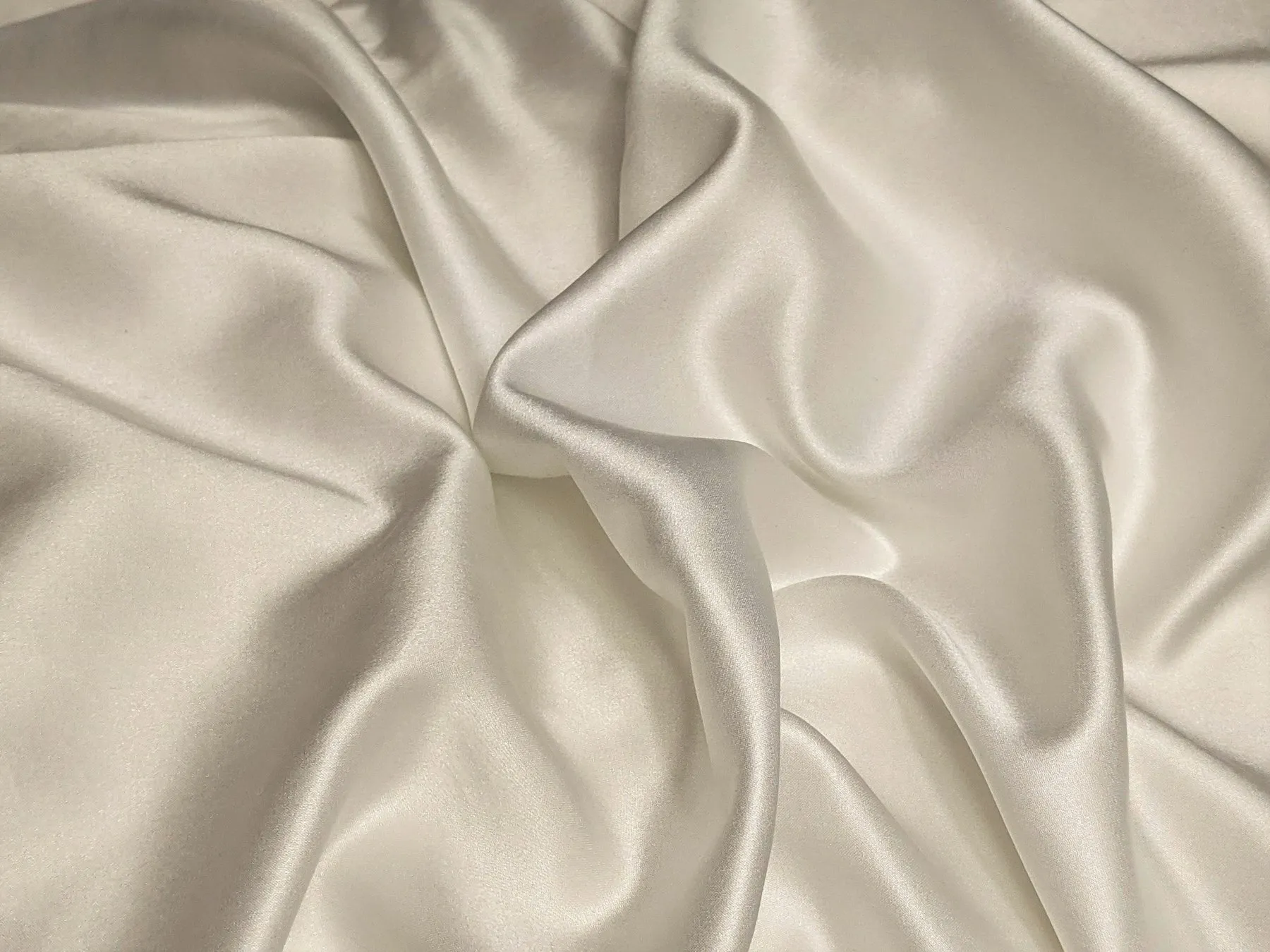
Spandex, called elastane in most of the world, is a stretchy synthetic. The FTC defines it as at least 85% segmented polyurethane. It’s almost never used alone. A few percent blended with cotton, polyester, nylon or rayon adds stretch and recovery, so the fabric snaps back instead of bagging out at the knees and elbows.
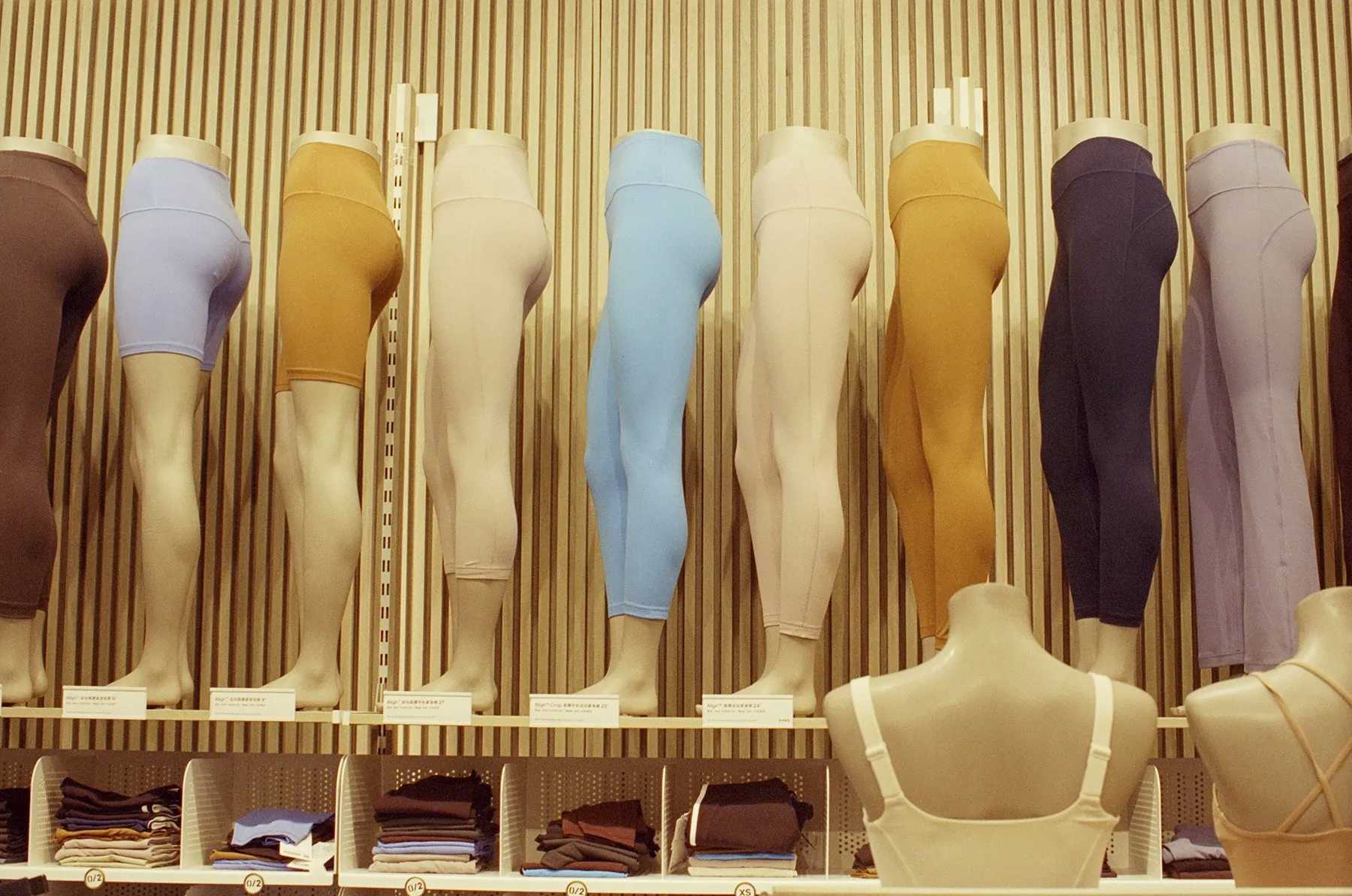
- Sew with it: leggings and activewear, fitted tees, stretch denim for jeans and swimwear.
- Watch for: heat and chlorine bleach, which UGA says damage spandex. Use a cooler iron and dry on low.
- Needles: use a stretch needle. Our guide to sewing knits without a serger explains why, and how to hem knits with a twin needle covers stretch twin needles. A little spandex is also what helps rib knit hug the neck; see how to sew a T-shirt neckband for how much shorter to cut it.
Blends
Many garment fabrics mix fibers to balance their strengths. A cotton-polyester blend wrinkles and shrinks less than pure cotton. Cotton-spandex jersey stretches and recovers better than plain cotton. Wool-polyester suiting is cheaper and easier to care for than pure wool. As a rule of thumb, care for a blend according to its most delicate fiber.
Which fiber for which garment?
| Garment | Good fiber choices | Why |
|---|---|---|
| T-shirt | Cotton or cotton-spandex jersey; rayon jersey for drape | Soft, breathable, easy to sew |
| Hoodie or sweatshirt | Cotton or cotton-blend French terry or fleece | Warm and comfortable. See the best fabric for hoodies |
| Summer shirt | Linen, cotton poplin or lawn | Cool and breathable |
| Flowing dress or blouse | Rayon/viscose, silk, polyester crepe | Drape |
| Trousers | Cotton twill, wool, linen | Structure and comfort |
| Coat or tailored jacket | Wool | Warmth and shaping with steam |
| Leggings or activewear | Nylon or polyester with spandex | Stretch and recovery. See the best fabric for leggings |
Free printables: match seams to fiber with the seam finish cheat sheet, and log fiber content and care for each project on the sewing project planner.
Reading a listing
When you shop (online or at a shop like the ones in our Los Angeles fabric store guide), look for the exact fiber percentages, not just “cotton blend.” Check the care instructions, which the FTC’s Care Labeling Rule requires on the end of each bolt. Note whether the fabric is a knit or a woven, and its weight. If you’re choosing between French terry and fleece for a hoodie, our French terry vs fleece comparison covers it. Once you’ve picked a fabric, interfacing basics explains how to support its collars and button bands without fighting its fiber.
The fabric name tells you how it was made. The fiber content tells you how it will live: how it breathes, wrinkles, shrinks and presses.
Common questions
What are the main types of fabric fibers?
There are two groups. Natural fibers come from plants (cotton, linen) or animals (wool, silk). Manufactured fibers are either regenerated from natural cellulose, like rayon, viscose, modal and lyocell, or fully synthetic, like polyester, nylon and spandex. Most garment fabrics are one of these fibers or a blend of two or three.
What is the difference between natural and synthetic fibers?
Natural fibers such as cotton, linen and wool absorb moisture and breathe, take higher ironing heat (wool with steam and a press cloth), and are more likely to shrink. Synthetics such as polyester and spandex absorb little moisture, resist wrinkles and shrinking, and need a low iron because they can melt.
What is the best fabric fiber for beginners?
Cotton. Woven cotton presses crisply, holds a fold and doesn’t slip while you cut, and stable cotton knits like French terry and interlock are a good first knit. Prewash it before cutting, because cotton can shrink.
Is rayon the same as viscose?
Viscose is a type of rayon and the common name for it outside the U.S. The FTC’s labeling rule defines rayon as regenerated cellulose and recognizes international ISO fiber names, so you’ll see both on labels. Modal and lyocell are other types of rayon.
Is spandex the same as elastane?
Yes. Spandex is the U.S. generic name and elastane is the international name for the same stretchy polyurethane fiber. Lycra is a brand name for it.
Which fabrics shrink the most?
Natural and cellulose fibers such as cotton, linen and rayon are more likely to shrink than polyester, and knits are generally more prone to shrinkage than wovens. Untreated wool can felt and shrink permanently if it’s washed with heat and agitation. Test a washed square to find out for your fabric.
Which fibers can I iron on high heat?
Cotton and linen can take a hot iron, and linen presses best while damp. Wool needs steam and a press cloth rather than dry heat. Polyester, spandex blends and other synthetics need a low setting because they can melt, so always test on a scrap first.
Sources
- University of Georgia Extension: Understand your fibers
- Federal Trade Commission: 16 CFR 303.7, generic names for manufactured fibers and 16 CFR 303.3, fibers under 5 percent
- The Woolmark Company: Machine washable wool
- Federal Trade Commission: Clothes captioning: complying with the Care Labeling Rule
Free printable · The newsletter
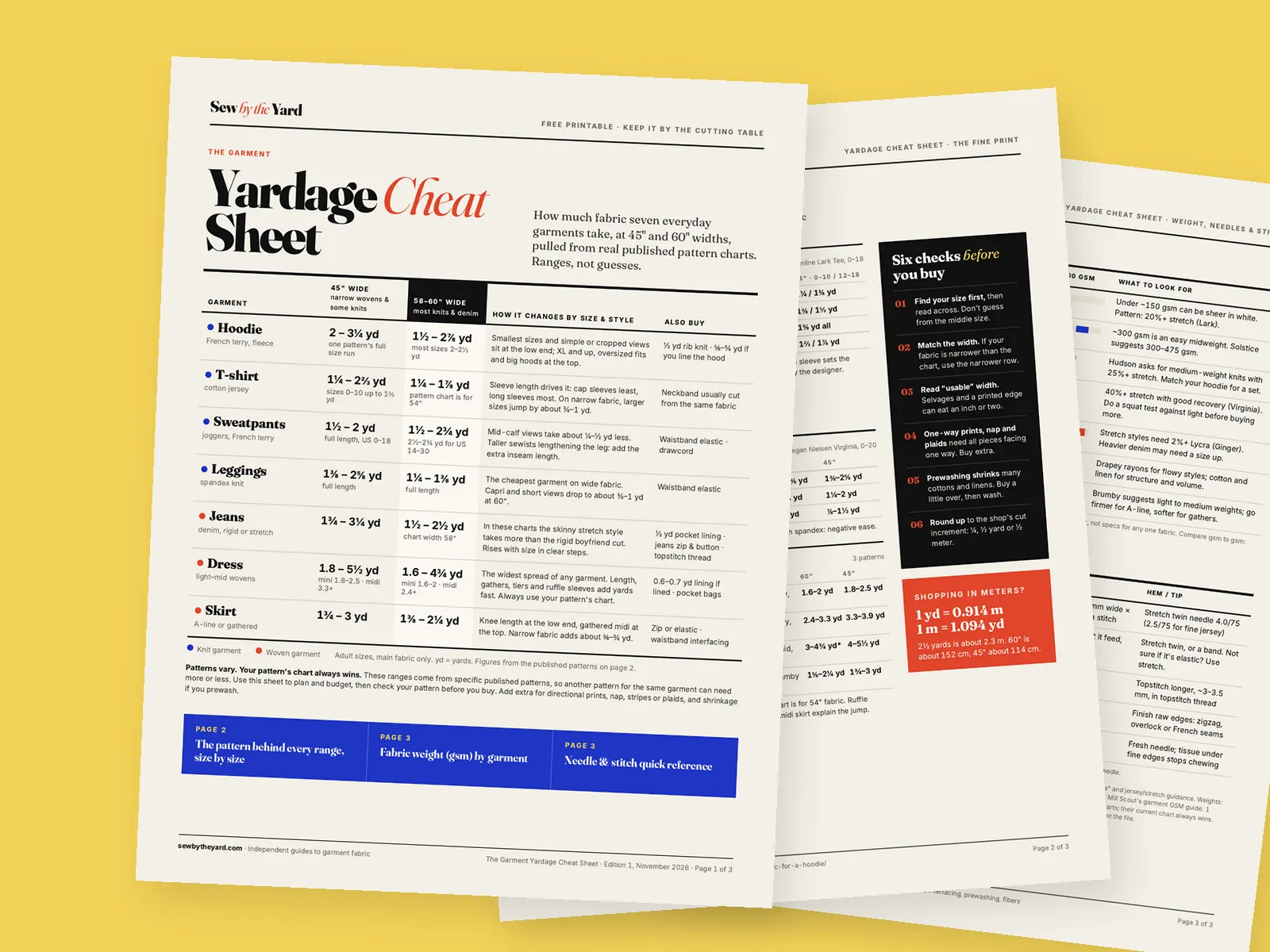
Never guess yardage again.
Join the Sew by the Yard newsletter and get The Garment Yardage Cheat Sheet: fabric amounts for seven garments at 45" and 60", a fabric-weight guide and a needle chart, on three printable pages.