Should You Prewash Fabric Before Sewing?
Yes: prewash garment fabric the same way you will wash the finished piece before cutting. Fiber-by-fiber shrinkage guide for cotton, linen, wool, rayon & knits.
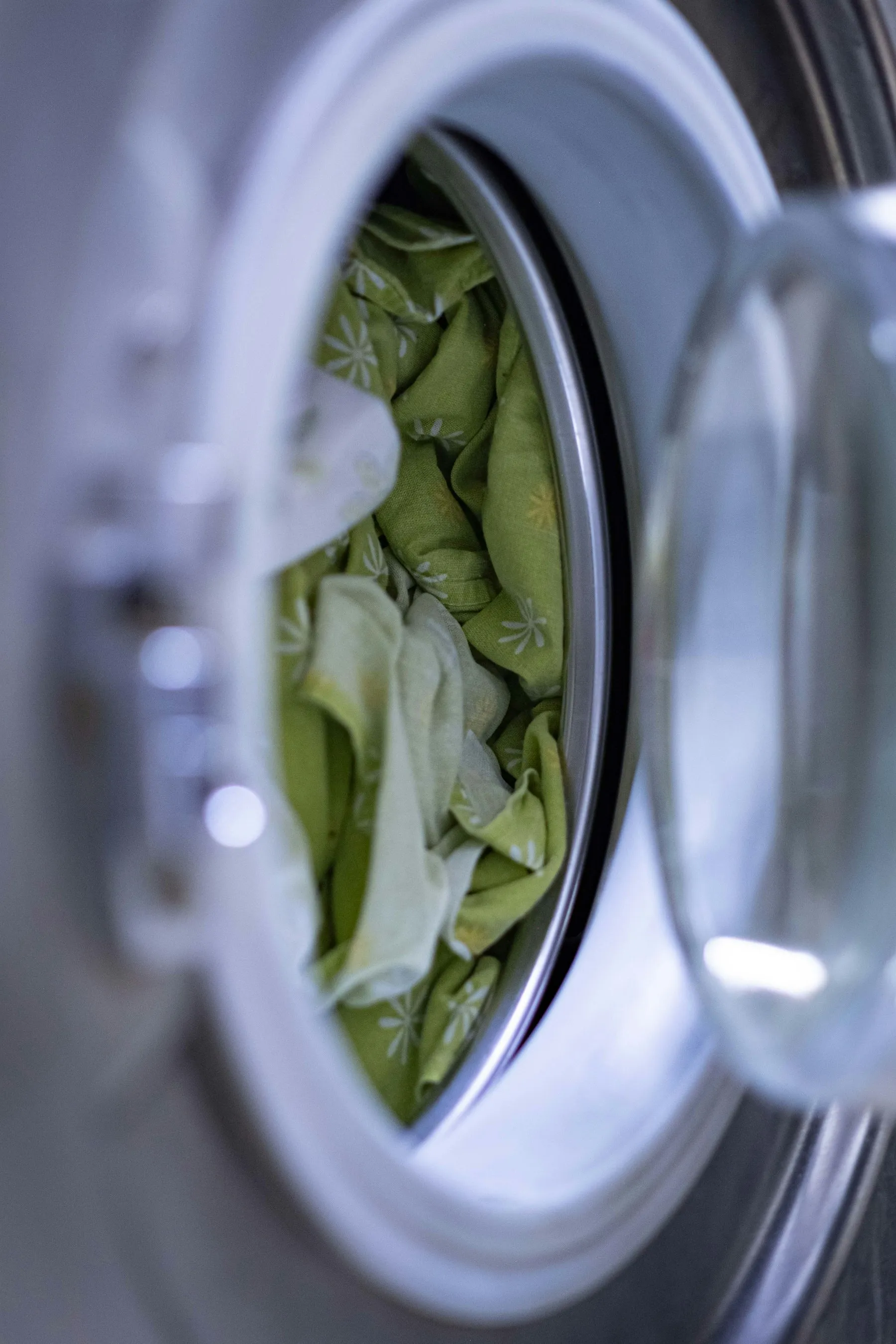
Yes, you should prewash fabric before sewing almost any washable garment: wash and dry the yardage (and matching ribbing) exactly the way you’ll launder the finished piece, before you cut. Cotton knits commonly shrink 5% to 8% on the first wash and cotton or linen wovens 2% to 5%, so buy about 5% extra for wovens and 10% for knits. Skip washing only for dry-clean-only wool and silk; steam or dry-clean those instead.
Skipping the prewash is the single fastest way to turn a well-fitted handmade shirt or hoodie into one that pulls across the chest and rides up an inch at the hem after laundry day. As the American Sewing Guild advises, fabrics frequently shrink or pucker along stitched seams the first time they are cleaned, so treat the yardage first, before scissors touch it.
Should you prewash fabric before sewing?
Yes, for almost every washable garment fabric. The short version:
| Question | Short answer |
|---|---|
| How should I prewash? | The way you will wash the finished garment: the same water temperature and dryer setting |
| What else gets prewashed? | Matching ribbing and trim, so cuffs and bands shrink with the body |
| How much do cotton knits shrink? | Commonly 5% to 8% lengthwise on the first wash, sometimes up to 10% if tumble-dried warm |
| How much do cotton and linen wovens shrink? | Commonly 2% to 5%, up to 6% to 8% on looser weaves |
| How much extra yardage should I buy? | About 5% more for wovens and 10% more for knits |
| What should I not wash? | Dry-clean-only wool and silk: steam or dry-clean them instead so wool does not felt. Also skip coated or waterproof fabric, sequins, faux fur, velvet and most upholstery fabric, and follow the care label instead |
Why should you prewash fabric before sewing?
- Relaxation shrinkage happens once, so make it happen before cutting. Yarns are held under lengthwise tension during weaving, knitting, dyeing, and finishing. Water, heat, and tumbling let those yarns relax back to their resting dimensions. CottonWorks (Cotton Incorporated’s technical hub) notes that knits typically shrink more than wovens because knitted loops have more room to draw in and torque.
- Mill finishes block fusible interfacing. Bolt fabric often carries starch, resin, or temporary sizing for showroom crispness. Pellon recommends prewashing or pre-steaming garment fabric without fabric softener before fusing so adhesive bonds to clean fiber rather than wash-away finish, as covered in our interfacing basics.
- Excess dye bleeds in the first wash. Indigo denim (see our guide to the best fabric for jeans), saturated reds, and dark overdyes often shed unfixed dye initially. Catching crocking or bleed in the washer saves contrast collars, pocket bags, and striped bands.
- True hand and drape appear after washing. Crisp linen, starched poplin, and stiff duck canvas soften noticeably after one wash-and-press cycle, showing how the garment will actually hang on the body.
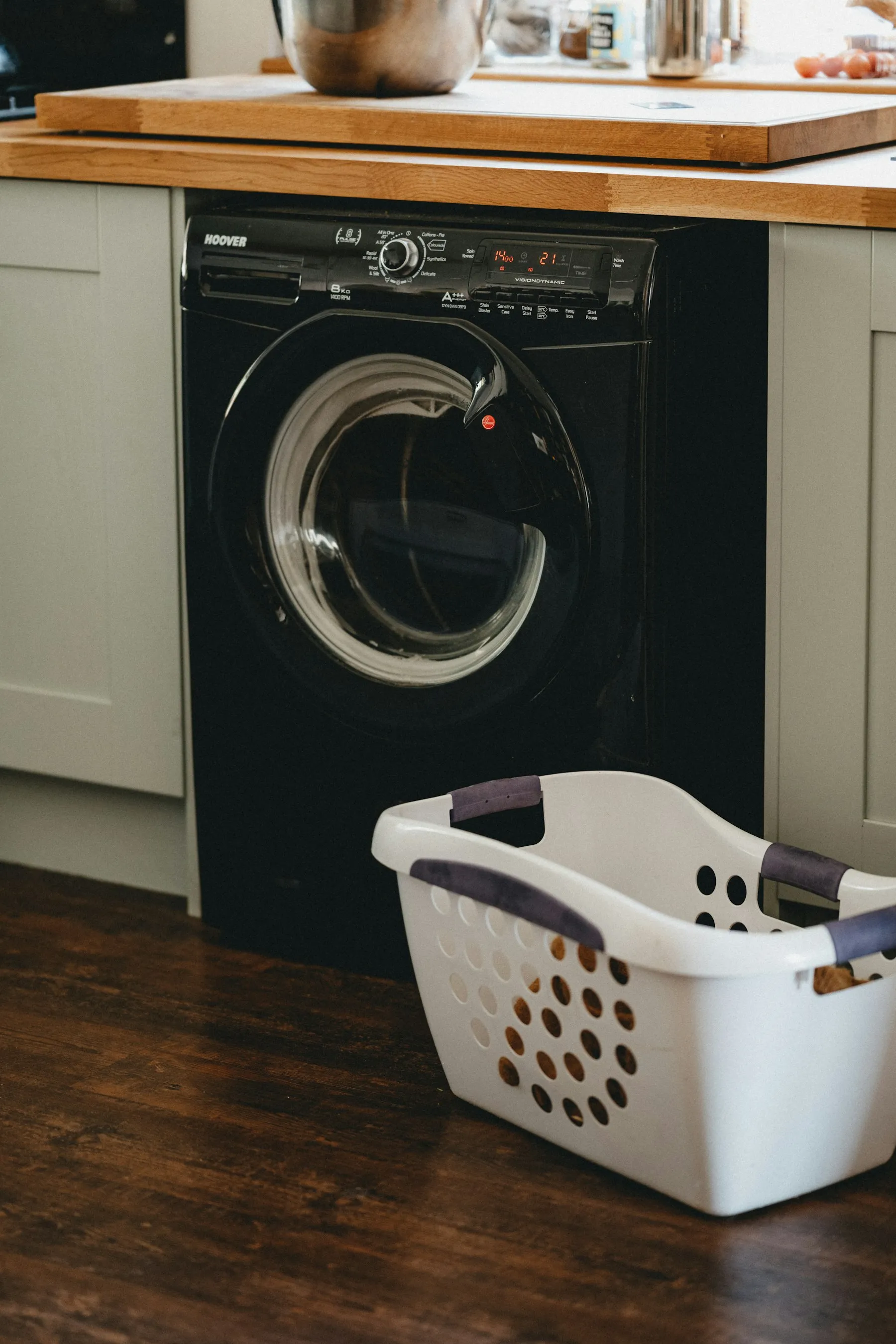
Prewash the fabric the way you’ll wash the garment. If it’s going in the washer and dryer later, it goes in the washer and dryer now.
How much does fabric shrink in the first wash?
Shrinkage depends on fiber content, knit versus weave openness, and whether the mill sanforized or preshrunk the goods, so two 100% cotton jerseys can shrink by very different amounts. Always start with the bolt-end label or online product listing: under the FTC’s Care Labeling Rule, manufacturers must supply care instructions on the end of bolts sold for home sewing.
When planning yardage without a mill shrinkage spec, garment sewists use these practical baselines, and then confirm critical pieces with a test square:
- Cotton & linen wovens: commonly 2%–5% (up to 6%–8% on looser weaves like double gauze or unwashed linen).
- Cotton French terry, sweatshirt fleece & jersey knits: commonly 5%–8% lengthwise (sometimes up to 10% if tumble-dried warm).
- Rayon / viscose challis & jersey: commonly 4%–8% (and fibers weaken while wet).
- Polyester & nylon: 0%–1% at low heat (high dryer heat can set permanent creases or damage heat-sensitive finishes).
How do you prewash each fiber?
| Fiber | Typical 1st-wash behavior | Water & cycle | Drying & pressing |
|---|---|---|---|
| Cotton (woven) | 2%–5% shrinkage (more on gauze/flannel); sizing washes out | Cool or warm machine cycle matching garment care | Tumble low/medium or line-dry as garment will be dried; steam-press |
| Cotton (knit: jersey, French terry, fleece) | 5%–8%+ lengthwise shrinkage; cut edges curl | Cold or warm gentle/normal cycle; wash matching rib knit too | Tumble low (if hoodie/tee will be machine-dried) or dry flat |
| Linen | 3%–7% shrinkage; softens and loses crisp bolt finish | Cool or warm gentle/normal cycle; finish raw cut ends first | Tumble low until barely damp or line-dry; press while slightly damp |
| Wool (non-superwash) | Irreversible felting with heat + moisture + agitation | Do not machine-wash unless labeled washable/superwash | Steam-shrink with iron + press cloth, damp-towel roll, or dry-cleaner steam |
| Rayon / viscose / modal | 4%–8% shrinkage; weaker when wet, can distort if wrung | Cool water, delicate cycle (mesh bag) or hand-wash | Lay flat or hang evenly; press on low/rayon setting from wrong side |
| Polyester | Minimal shrinkage (~0%–1%); removes finishes & shop dust | Warm or cool permanent-press cycle | Tumble low (avoid high heat); warm synthetic iron setting |
| Spandex / Lycra blends | Main fiber governs shrinkage; heat & chlorine degrade elastane | Cool or warm water (never hot); no chlorine bleach or fabric softener | Air-dry or tumble extra-low |
| Silk | Water spots easily; crepe/habotai can shrink & shift texture | Hand-wash cool with mild soap only if garment will be hand-washed | Roll in towel, air-dry away from sun, press damp on silk setting; else dry-clean |
The rayon, polyester, and spandex care limits align with the University of Georgia Extension’s fiber care chart. Treat blends according to the most delicate fiber in the mix: a 95% cotton / 5% spandex jersey gets cotton’s shrinkage buffer with spandex’s low-heat, no-bleach rule. See our fabric fiber guide for a deeper look at each fiber.
Why does wool require steaming instead of washing?
Wool doesn’t merely relax like cotton: it felts. As the Woolmark Company explains, wool fibers are covered in microscopic overlapping scales. Moisture and heat open those scales, and mechanical agitation locks neighboring fibers together like a one-way ratchet, shrinking and thickening the cloth permanently.
Unless your bolt is explicitly labeled machine-washable or superwash (treated so scales cannot interlock), preshrink wool using one of three safe methods:
- Steam-iron hovering (
London-shrinkingshortcut): Lay wool single-layer or folded on a flat surface, hover a steam iron just above the cloth (or press lightly through a damp cotton press cloth without sliding), and let the yardage cool completely flat before moving it. - Overnight damp-towel roll: As described by the American Sewing Guild, roll wool yardage smoothly inside a wrung-out damp sheet or bath towels for 6–12 hours, unroll flat to air-dry, and press lightly with a press cloth.
- Professional dry-cleaner sponge & steam: Ask a local dry cleaner to steam/sponging-press the uncut yardage, ideal for tailored wool coating, suiting, and wool crepe.
How do you prewash fabric step by step?
- Read the bolt label or listing specs and decide realistically how you (or the recipient) will launder the finished garment. If a kids’ sweatshirt will eventually hit the dryer, tumble-dry the yardage now.
- Secure raw cut ends on wovens that fray. Run a quick serger pass, machine zigzag, basting line, or pinking-shears trim across the two cut ends (or sew the two cut ends together into a continuous tube) so linen, rayon, and loosely woven cotton don’t unravel into knots. Knits don’t fray and rarely need edge finishing.
- Sort darks and reds separately (or toss in a dye-catcher sheet) on wash #1 to test for bleeding. Skip liquid fabric softener, especially if you will apply fusible interfacing.
- Unfold yardage before loading so water penetrates evenly without setting sharp crease lines, then wash and dry using the garment’s real care settings. Pull yardage out of the dryer promptly.
- Press and true the grain. Check that selvages line up evenly before laying out pattern pieces; the ASG recommends straightening off-grain wovens after preshrinking.
- Prewash trims, linings, pocketings, zipper tapes, and matching rib knit alongside the main fabric so cuffs, cotton twill tape, or rayon Bemberg lining don’t shrink at a different rate later.
When should you skip prewashing fabric?
- Dry-clean-only tailored garments (structured wool coats, silk dupioni eveningwear, viscose velvet): steam or dry-clean instead of submerging in water.
- Fit muslins / toiles that will never be laundered (though if you plan to wear a wearable muslin, prewash it first).
- Needle-ready wools and silks that will only ever be dry-cleaned and arrive pre-sponged, per the ASG, but still test a scrap with your steam iron first.
- Coated, embellished or pile fabrics such as PVC, waterproof or laminated cloth, sequins, faux fur, felt, velvet and most upholstery fabric. Bullring Fabrics’ care guide lists these as fabrics not to prewash; spot-clean them or follow the bolt-end care label.
- Precut quilting packs (charm packs, jelly rolls, layer cakes) where fraying in the washer would eat into tight 1/4-inch seam allowances.
- Most fusible and sew-in interfacings: Pellon states most modern non-woven interfacings do not require preshrinking, except woven cotton fusibles like Pellon Shape-Flex
SF101, which Pellon advises soaking in warm water for 10 minutes and air-drying flat before fusing.
Free printable: log fiber content, wash settings, and measured shrinkage for every cut in your stash on our sewing project planner.
How much extra yardage should you buy for shrinkage?
Because pattern yardage charts assume preshrunk dimensions, build a small shrinkage allowance into your order before prewashing:
- Woven cottons, linens & blends: add 5% (roughly an extra 1/8 to 1/4 yard on a 2–3 yard top or trouser cut).
- Cotton & rayon knits (French terry, sweatshirt fleece, jersey, rib): add 10% (roughly an extra 1/4 to 3/8 yard on a 2.5–3 yard hoodie cut).
Our fabric yardage calculator adds that exact 5% woven / 10% knit buffer automatically, and our hoodie yardage guide, T-shirt yardage guide, best fabric for hoodies, and French terry vs fleece comparison cover how heavyweight sweatshirt knits behave in the wash.
Common questions
Do you really need to prewash fabric before sewing clothes?
Yes, for almost every garment you plan to wash in water. Prewashing shrinks the cloth while it is still uncut yardage, washes away mill sizing that can make fusible interfacing bubble or peel, and reveals dye bleed before you sew contrast pieces together. Use the exact washer and dryer settings you plan to use on the finished piece.
Which fabrics should you not prewash?
Skip the washer for dry-clean-only wool and silk (steam them instead), coated or waterproof fabric, sequined fabric, faux fur, felt, velvet and most upholstery fabric, plus fit muslins that will never be laundered. Follow the care label on the bolt end or product listing for these.
How do you stop woven fabric from fraying in the washing machine?
Zigzag or serge along the two raw cut ends (not the woven selvages) before putting yardage into the washer, or stitch the two cut ends right sides together with a long basting stitch to form a continuous loop that prevents twisting. Pinking shears work for tightly woven quilting cotton, while loose linen and rayon do best with a serged or zigzagged edge.
Should you prewash linen fabric before sewing?
Yes. Unwashed linen commonly shrinks 3% to 7% in its first wash and transforms from crisp, boardy bolt cloth into a softer, drapier hand. Finish the raw cut ends first so long flax fibers do not tangle in the drum, wash on cool or warm gentle, and press while slightly damp.
Should you prewash rayon or viscose fabric?
Yes, because rayon and viscose often shrink 4% to 8% when wet. Wash rayon in cool water on a delicate cycle inside a mesh laundry bag (or hand-wash gently without wringing, since wet rayon fibers lose strength), reshape it flat or on a drying rack, and press from the wrong side on a low setting.
Should you prewash cotton knit, French terry, and rib knit?
Yes, cotton knits generally shrink 5% to 8% in length on the first wash and tumble dry, more than comparable wovens. Wash and dry your main knit yardage and any coordinating rib knit together before cutting so cuffs, neckbands, and body panels do not shrink unevenly afterward.
Do you prewash fusible interfacing like Pellon SF101?
Never put fusible interfacing in a washing machine or tumble dryer, because agitation and heat can melt or strip the glue dots. Non-woven interfacings usually need no preshrinking, while woven cotton fusibles such as Pellon Shape-Flex SF101 should be gently soaked in warm water for 10 minutes without wringing, laid flat or dripped dry, and fused once completely dry.
Does 100% polyester fabric shrink when prewashed?
Polyester fibers rarely shrink at normal laundry temperatures (typically 0% to 1%), though prewashing on warm or cool water and low dryer heat is still worthwhile to rinse out mill finishes, factory dust, and excess surface dye before sewing and pressing.
What should you do if you forgot to prewash fabric before sewing?
If your pattern pieces are not cut yet, stop and prewash the yardage now. If the garment is already sewn, wash it in cold water on a gentle cycle and air-dry it flat or on a padded hanger, avoiding heat in the dryer minimizes relaxation shrinkage so the fit stays as close to your original measurements as possible.
Sources
- American Sewing Guild: Preparing your fabric
- CottonWorks (Cotton Incorporated): Shrinkage and skewing
- The Woolmark Company: Machine washable wool (why wool felts)
- University of Georgia Extension: Understand your fibers
- Federal Trade Commission: Clothes captioning: complying with the Care Labeling Rule
- Bullring Fabrics: Fabric care guide (fabrics not to prewash)
- Pellon: Frequently asked questions (prewashing before fusing)
Free printable · The newsletter
Never guess yardage again.
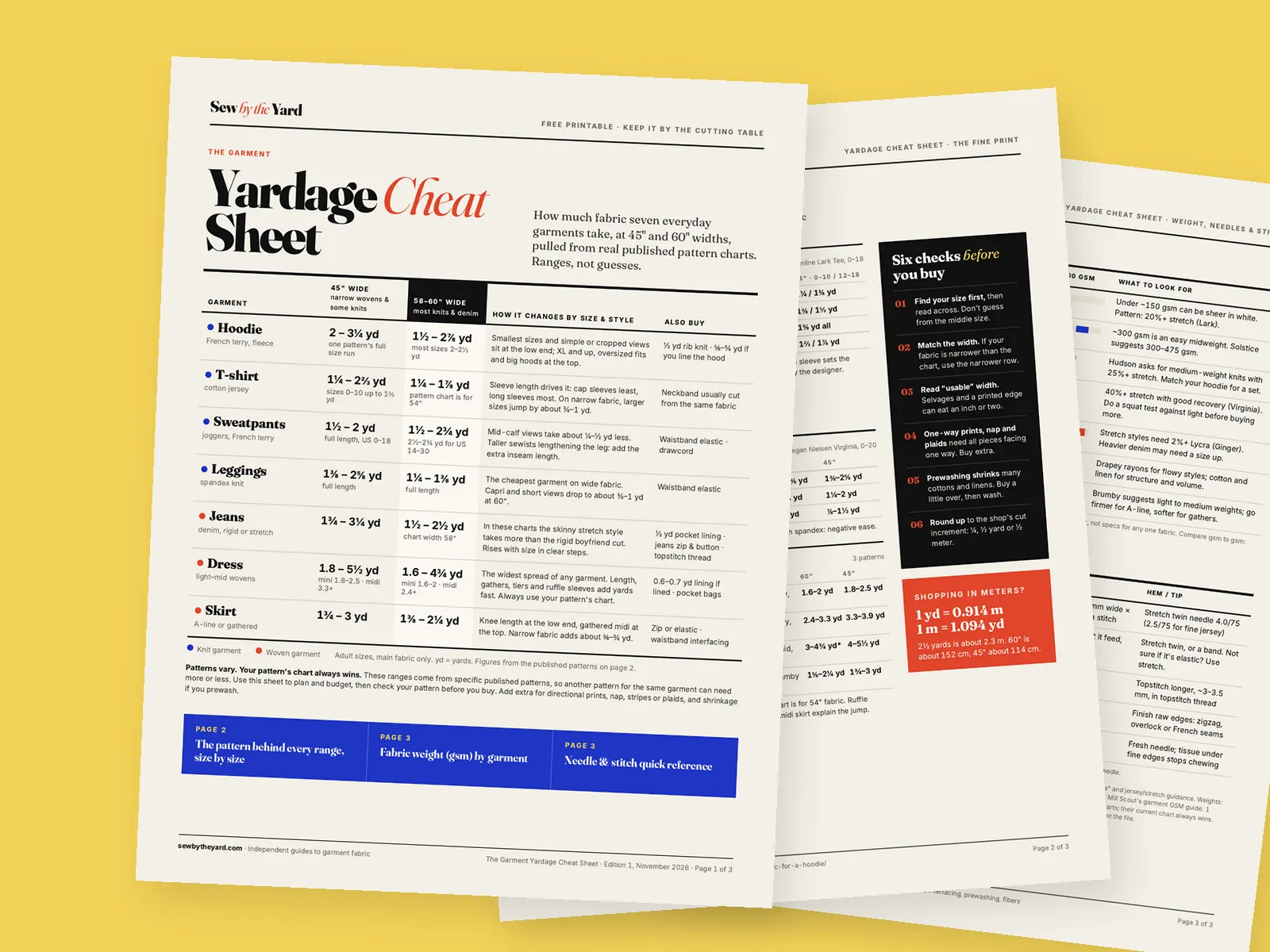
Join the Sew by the Yard newsletter and get The Garment Yardage Cheat Sheet: fabric amounts for seven garments at 45" and 60", a fabric-weight guide and a needle chart, on three printable pages.