How to Measure Fabric Stretch and Recovery
Fold the knit, mark 10 cm, stretch to resistance and measure. How to find stretch percentage, test recovery and match a knit to your pattern before you cut.
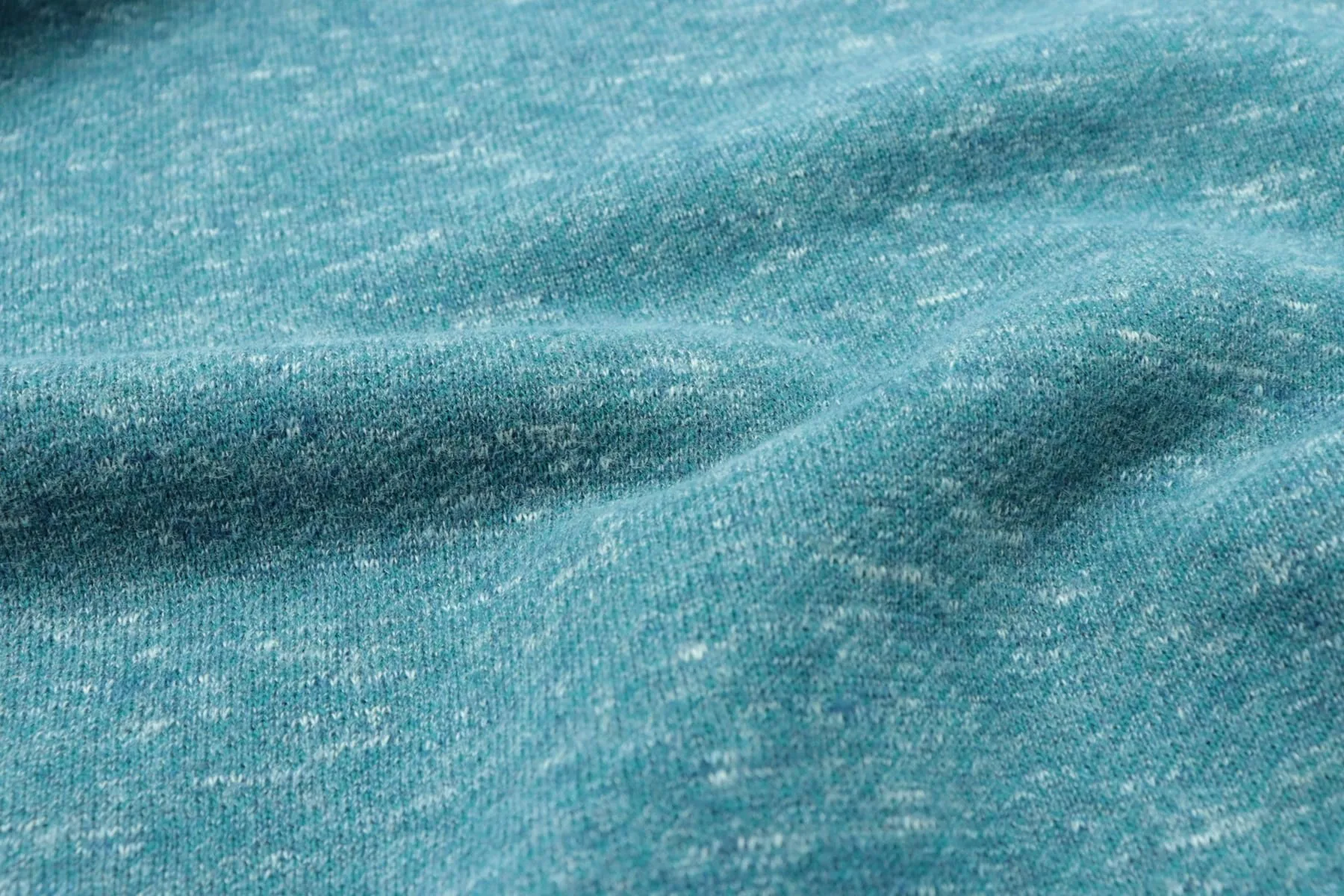
Almost every knit pattern lists a minimum stretch: “at least 20%,” “40% stretch with good recovery,” “four-way stretch.” That number is only useful if you can check the fabric in front of you. Measuring it takes two pins, a ruler and about thirty seconds, and it’s the best way to avoid a T-shirt that won’t go over your head or leggings that bag at the knee.
How do you measure fabric stretch?
- Fold the fabric along the crosswise grain, so the fold runs selvage to selvage. Work a few inches in from the selvage, which is often firmer than the rest of the fabric.
- Mark 10 cm (4 in) along the fold with two pins or chalk marks.
- Hold the left mark still against the zero of a ruler or tape measure.
- Stretch the right mark gently until the fabric starts to resist. Don’t yank it to its absolute limit or distort the knit.
- Read where the right mark lands. That is your stretched length.
This is the same method described by Sewing For A Living, Peony Patterns and Striped Swallow Designs. Threads suggests marking a longer span of 5 to 8 inches, which averages out small errors; the math is the same.
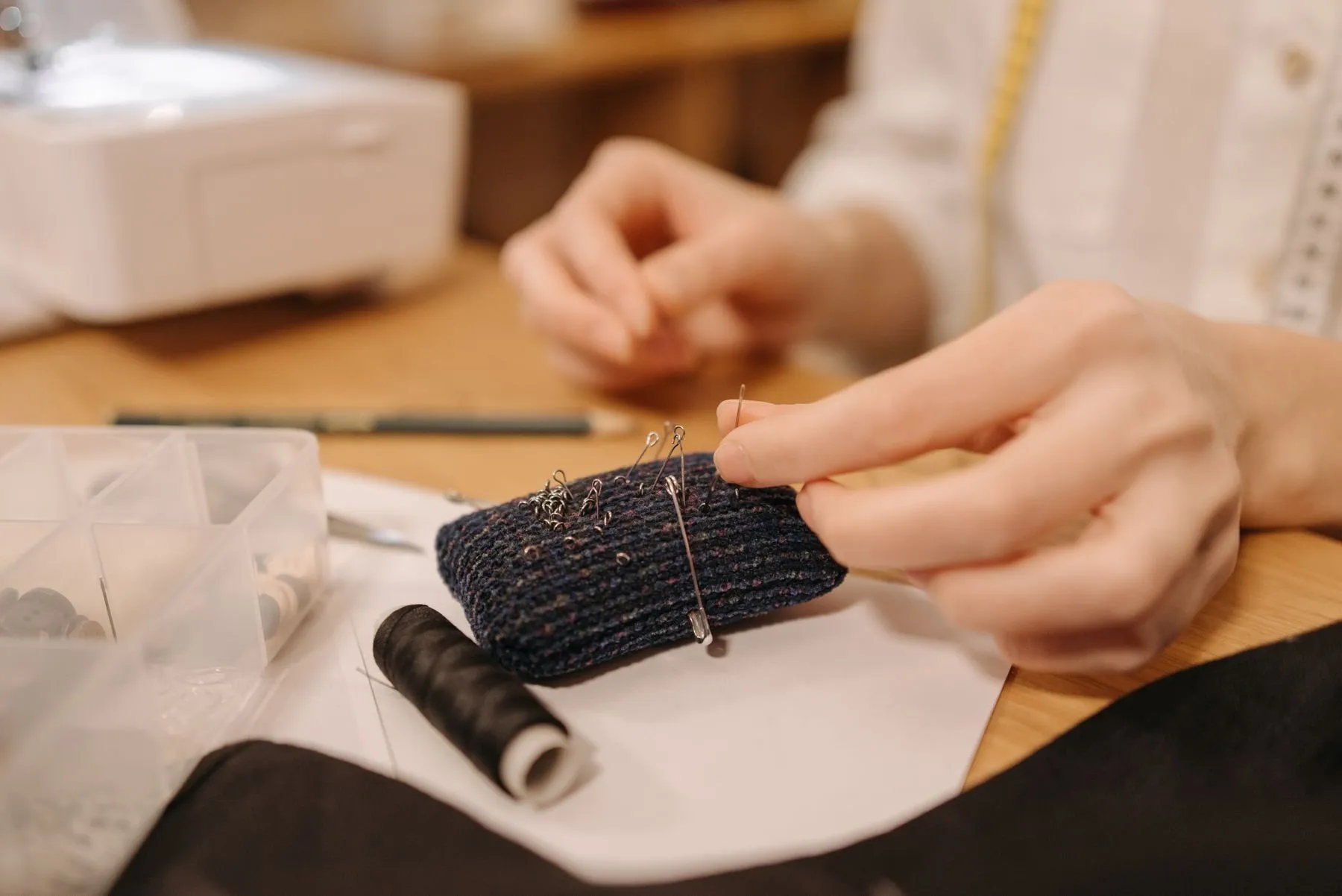
How to calculate stretch percentage
Stretch % = (stretched length − original length) ÷ original length × 100
With a 10 cm section, every extra centimeter is 10%. With a 4 in section, every extra half inch is 12.5%.
| 10 cm mark stretches to | 4 in mark stretches to | Stretch |
|---|---|---|
| 12 cm | 4⅘ in | 20% |
| 12.5 cm | 5 in | 25% |
| 13 cm | 5⅕ in | 30% |
| 14 cm | 5⅗ in | 40% |
| 15 cm | 6 in | 50% |
| 17.5 cm | 7 in | 75% |
| 20 cm | 8 in | 100% |
The 4 in column in the 20%, 30% and 40% rows is rounded; if you work in inches, the 25%, 50%, 75% and 100% rows land on easy marks. The formula and the 4 in examples come from Sewing For A Living; Megan Nielsen’s printable stretch percentage guide uses the same calculation written as stretched width ÷ normal width − 1.
How to test recovery
Stretch is only half the answer. Recovery is how well the knit returns to its original size after being stretched, and it’s what keeps neckbands flat and knees from bagging.
- Stretch the marked section again to the same point.
- Hold the left mark still and release the right mark.
- Watch where it settles.
If it springs straight back to 10 cm (or 4 in), recovery is excellent. Peony Patterns calls that 100% recovery. If it stops at 10.5 cm, the fabric stayed 5% longer; Striped Swallow Designs shows a French terry that recovered to within 5%, which they call “pretty close.” If it stays visibly stretched or rippled along the fold, expect the garment to grow as you wear it.
Fabrics with more spandex (elastane) in their content usually recover better than those with little or none (Sewing For A Living). That’s why a cotton jersey with about 5% elastane holds a neckband better than 100% cotton jersey.
Crosswise vs lengthwise: two-way and four-way stretch
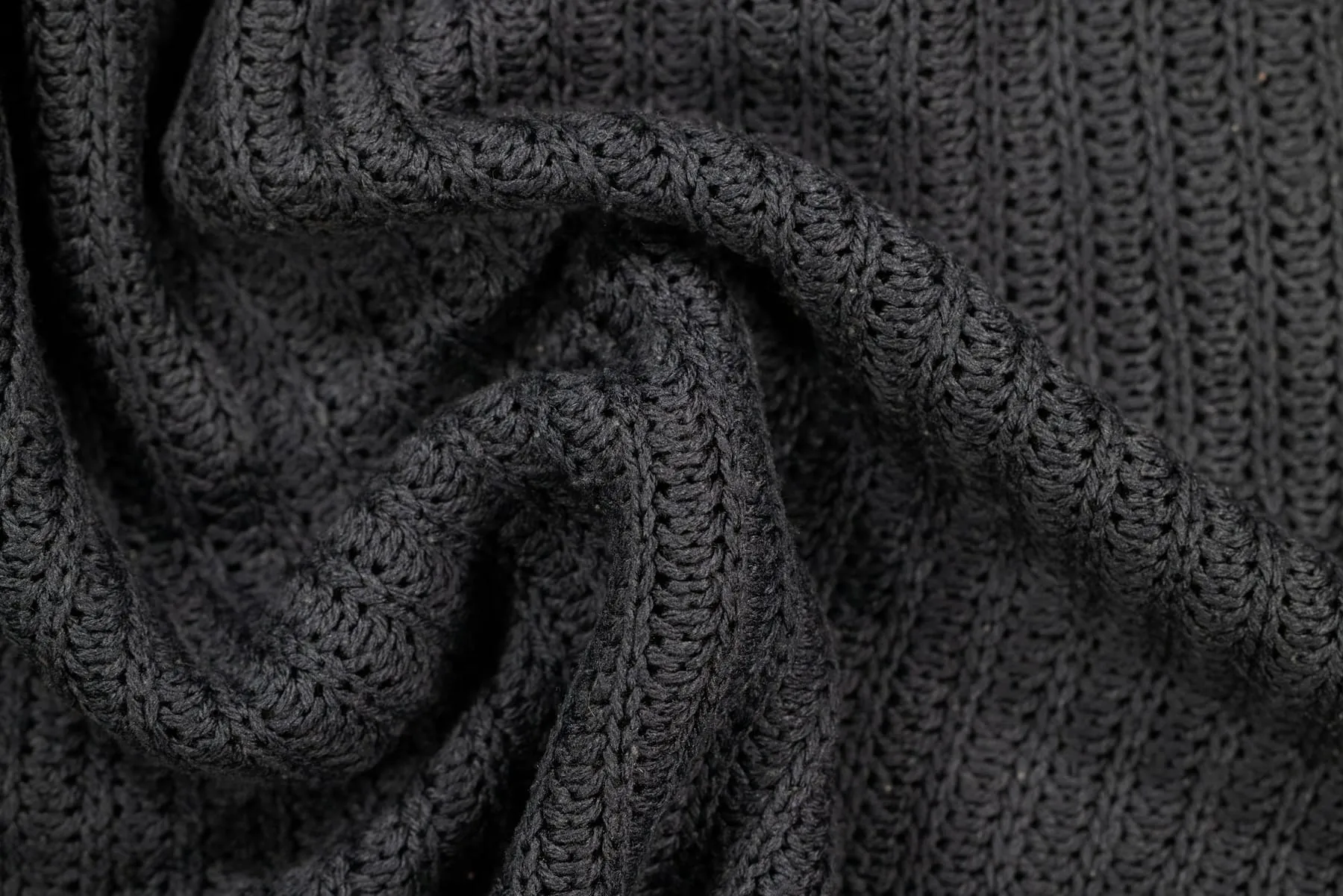
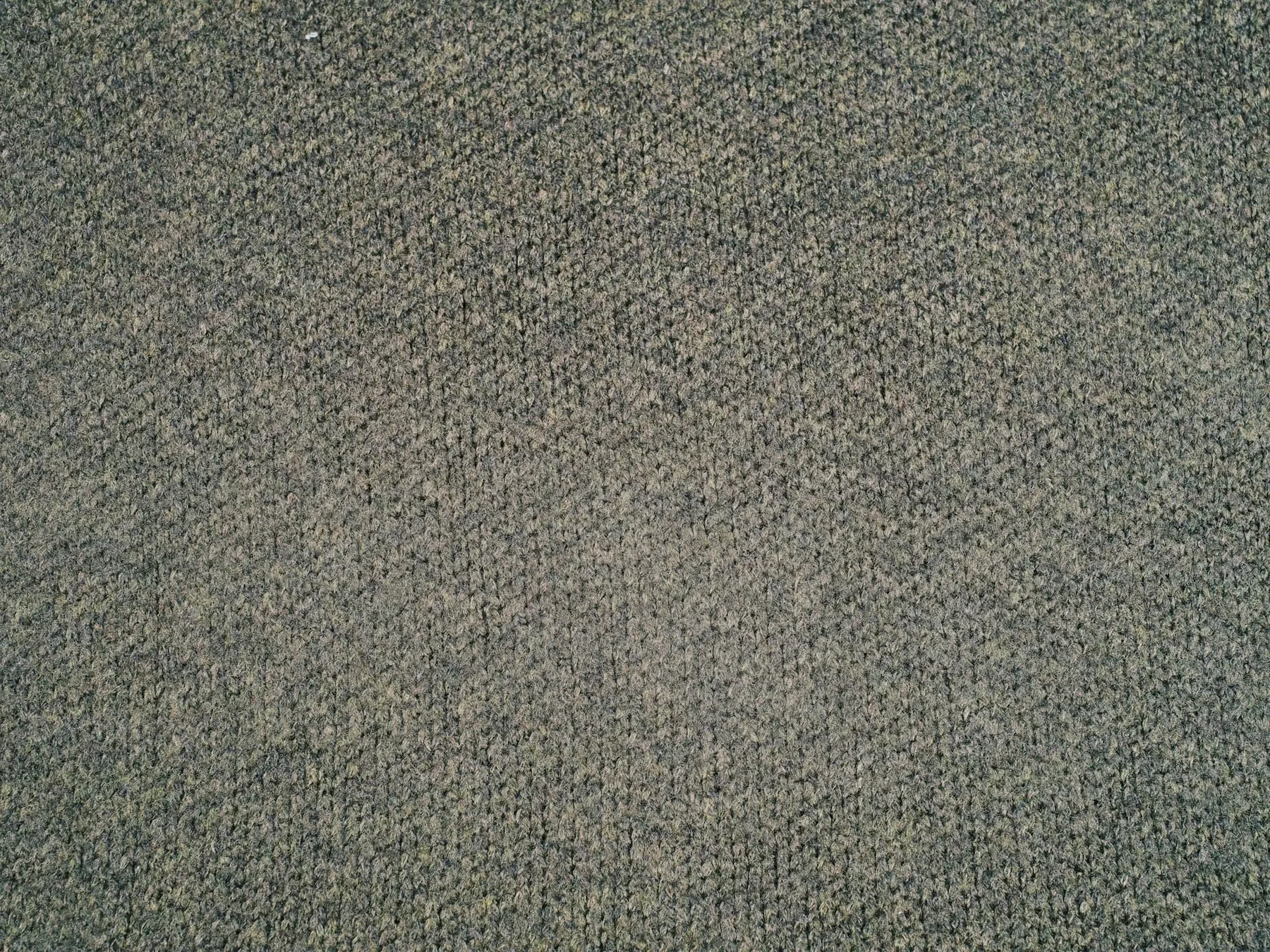
Knits usually stretch most across the grain, and that’s the direction patterns place around the body, so that’s the measurement most patterns mean (Sewing For A Living). If your pattern asks for four-way stretch, repeat the test with the fabric folded along the lengthwise grain. Striped Swallow Designs measured one fabric at 60% crosswise and about 25% lengthwise, so the two numbers can be very different.
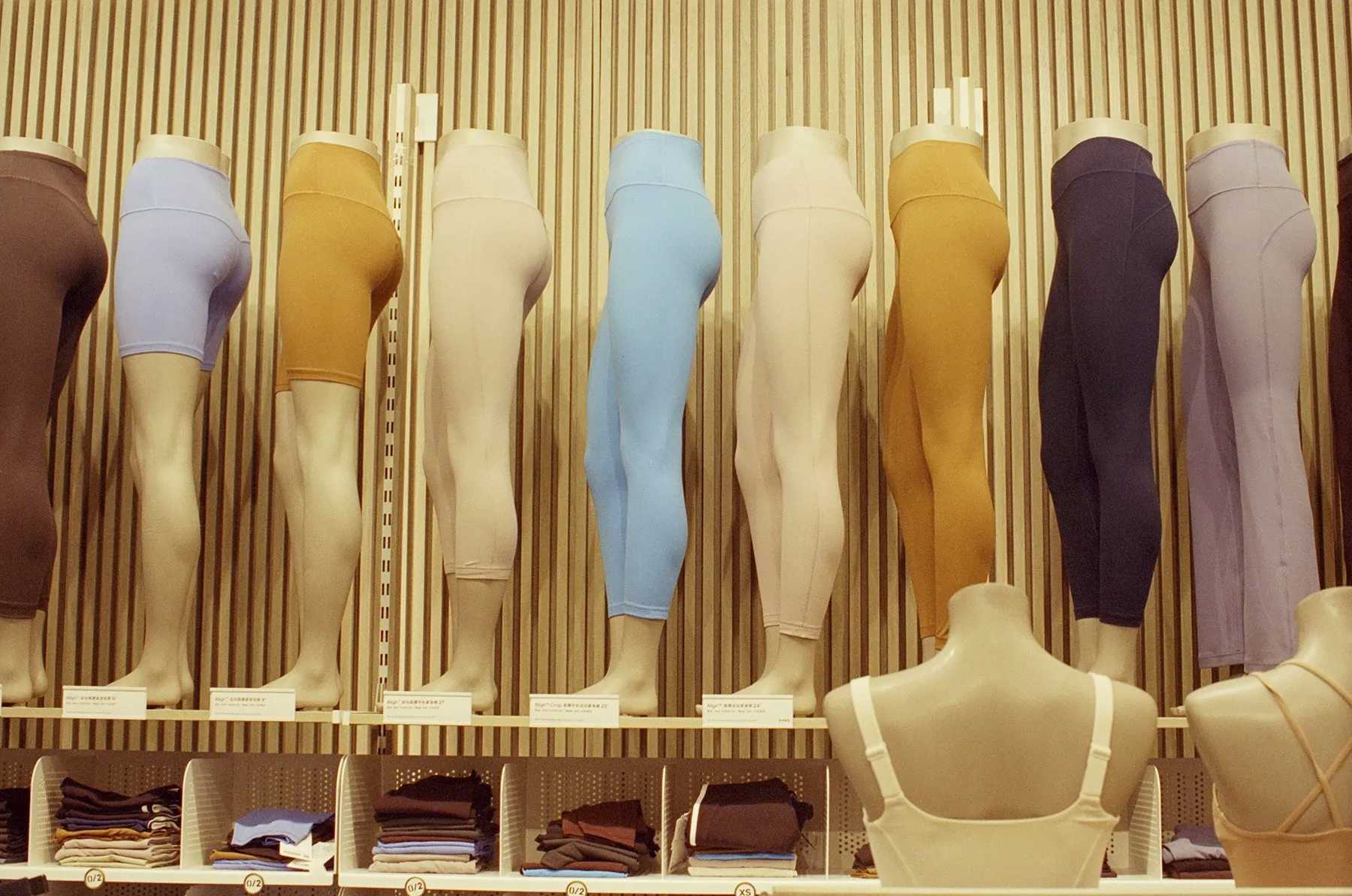
Leggings are the most common pattern that sets a lengthwise minimum. The Last Stitch’s Aila leggings, for example, call for at least 65% crosswise and 50% lengthwise stretch; our best fabric for leggings guide has more examples.
Stretch categories and what they’re good for
Pattern companies and sewing references group knits by how far they stretch. The exact cut-offs vary by source. Sewing For A Living, for instance, uses 0–25% for stable knits, 51–75% for stretchy knits and 76–100% for super-stretch knits like leotard, legging and swim fabrics. Threads describes moderate knits at about 25% and super-stretch knits such as rib and 100% spandex at about 100%. In practice:
Ourlette’s beginner jersey guide gives typical stretch for common knits, which shows where everyday fabrics fall:
| Knit | Typical stretch | Common uses |
|---|---|---|
| Cotton jersey (no elastane) | 20–30%, little recovery | Classic tees |
| Interlock | 30–50% | Stable tees, kids’ clothes |
| Cotton-elastane jersey (~5% elastane) | 40–60%, good recovery | Fitted tees, first knit projects |
| Viscose or bamboo jersey | 50–70% | Drapey tees and dresses |
| Rib knit | 60–100% | Neckbands, cuffs, hem bands |
Source: Ourlette, Jersey knit for beginners. These are rough groupings, not rules; the measured number on your swatch is what matters.
Matching your fabric to the pattern
- Meet the minimum. If the pattern says 40% and your knit measures 30%, the garment will fit tighter than drafted and may not go on at all. Grainline’s Lark Tee, for comparison, needs only 20% (Bolt & Spool), while Megan Nielsen’s Virginia leggings ask for at least 40% (The Fold Line).
- A lot more stretch changes the fit too. A much stretchier knit than the pattern expects can come out looser and less supportive, especially in fitted styles. Many patterns are drafted with negative ease for a specific stretch range. Our guide to choosing a sewing pattern size explains how to read negative ease in the finished garment measurements.
- Recovery is a dealbreaker for close fits. For leggings, swimwear and neckbands, pick the knit that snaps back, even if it stretches a little less.
- Test after prewashing. Washing can change how a knit behaves, so measure the fabric in the state you’ll cut it. Our prewashing guide covers which fibers shrink.
Once the fabric passes, our guide to sewing knits without a serger covers the needles and stitches, and best fabric for T-shirts and best fabric for hoodies show which knits suit each garment.
Stretch tells you whether the garment will go on. Recovery tells you whether it will still look good after you’ve worn it.
Common questions
How do you calculate the stretch percentage of fabric?
Subtract the original length from the stretched length, divide by the original length and multiply by 100. A 10 cm mark that stretches to 15 cm has 50% stretch; a 4 in mark that stretches to 5 in has 25%.
Which direction do you measure stretch?
Usually across the grain (selvage to selvage), because that’s the direction that goes around the body and the one most patterns mean. If the pattern asks for four-way stretch, measure lengthwise too.
How far should I stretch the fabric when testing?
Until you feel it start to resist, without forcing it or distorting the knit. Over-stretching gives you a higher number than the fabric will comfortably deliver when worn.
What is good recovery in knit fabric?
The fabric returns to (or very close to) its original length after you release it, with no rippling along the fold. If it stays noticeably longer, the garment is likely to stretch out and bag with wear.
Can I use a fabric with less stretch than my pattern asks for?
Not without changes. A knit with less stretch than the pattern’s minimum will fit tighter, and in very fitted styles it may not go on. Size up or choose another fabric, and test a scrap first.
What is the difference between two-way and four-way stretch?
Two-way stretch knits stretch mainly in one direction, usually across the grain. Four-way stretch knits stretch both across and along the grain, which fitted activewear like leggings usually needs.
Sources
- Sewing For A Living: Stretch percentage: how to measure and draft knit patterns (method, formula, stretch categories, spandex and recovery)
- Peony Patterns: How to determine the stretch and recovery of your knit (pin method, 100% recovery)
- Striped Swallow Designs: Measuring stretch percentage (crosswise, lengthwise and recovery examples)
- Threads: Tips on sewing and fitting knits (stretch and recovery ratios, 5–8 in test span, knit categories)
- Megan Nielsen Patterns: Stretch percentage guide (PDF) (calculation and recovery check)
- Ourlette: Jersey knit for beginners (typical stretch by knit type)
- The Last Stitch: Best fabric for workout leggings (Aila sew-along) (65% crosswise, 50% lengthwise)
- Bolt & Spool: Grainline Studio Lark Tee (at least 20% stretch)
- The Fold Line: Megan Nielsen Virginia leggings (at least 40% stretch)
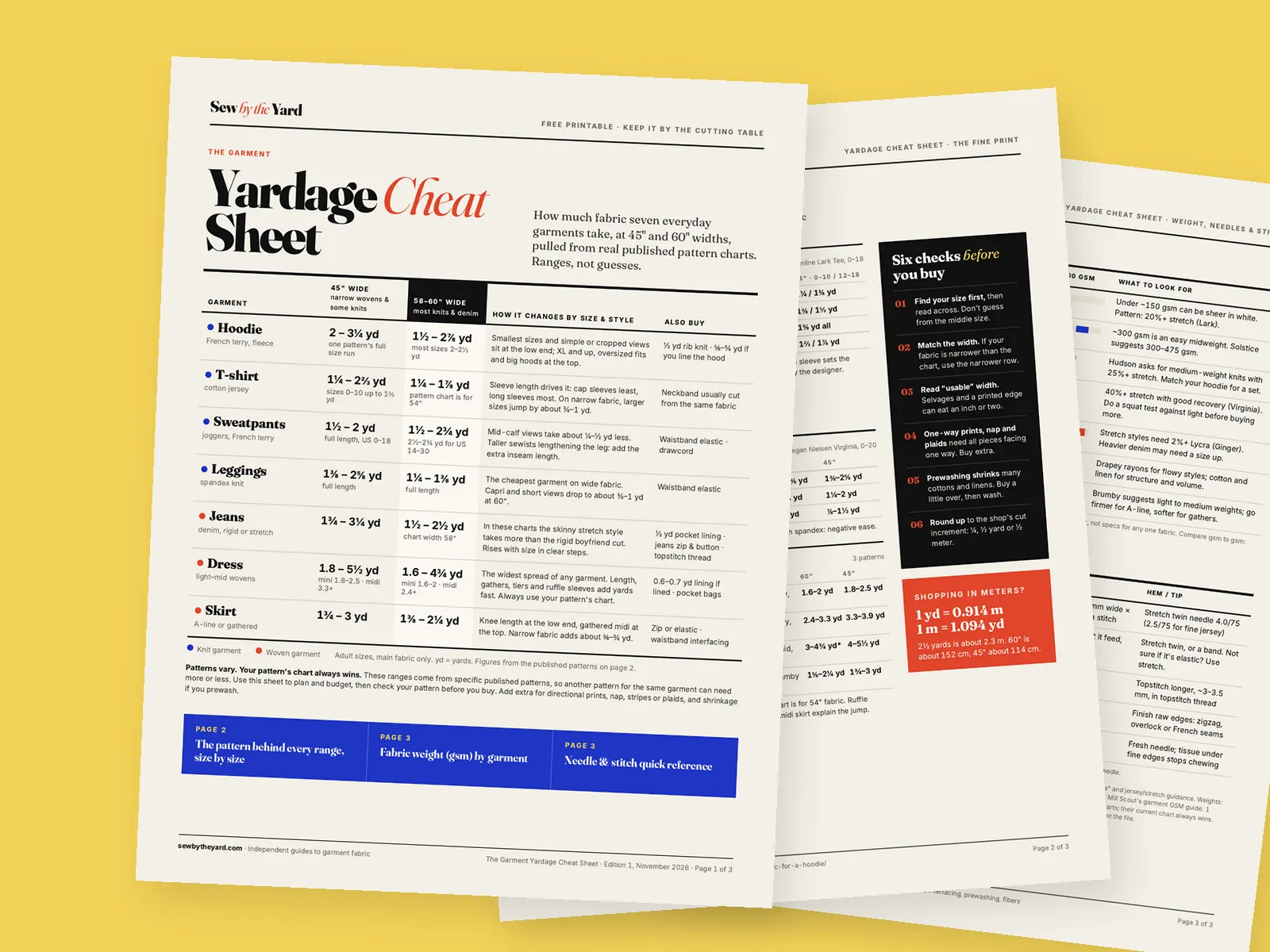
Free printable · The newsletter
Never guess yardage again.
Join the Sew by the Yard newsletter and get The Garment Yardage Cheat Sheet: fabric amounts for seven garments at 45" and 60", a fabric-weight guide and a needle chart, on three printable pages.