Best Fabric for T-Shirts
The best fabric for sewing a T-shirt is a light to medium cotton jersey with about 5% elastane, roughly 160–220 gsm. How to pick by fiber, weight and stretch.
Most “best T-shirt fabric” articles are written for brands ordering blanks. This one is for people sewing a tee from fabric bought by the yard. You choose four things: the knit structure, the fiber, the weight, and the stretch. Here is how each one changes the shirt.
What is the best fabric for T-shirts?
- Best all-rounder (and best for a first tee): cotton-elastane jersey, about 95% cotton / 5% elastane, around 160–220 gsm.
- Best classic, crisp tee: 100% cotton single jersey in a medium weight. Easy to find, breathable, curls a bit more at the edges.
- Best for a stable, beginner-friendly tee or kids’ tee: cotton interlock, which does not curl and looks the same on both sides.
- Best drapey or summer tee: viscose (rayon) or bamboo jersey. Beautiful, but slippery to cut and sew; save it for your third or fourth tee.
- Best for a heavy, boxy or streetwear tee: a heavyweight jersey of about 200 gsm and up.
- Avoid for tees: very thin jersey you can see through when stretched, knits with poor recovery, and anything below your pattern’s minimum stretch.
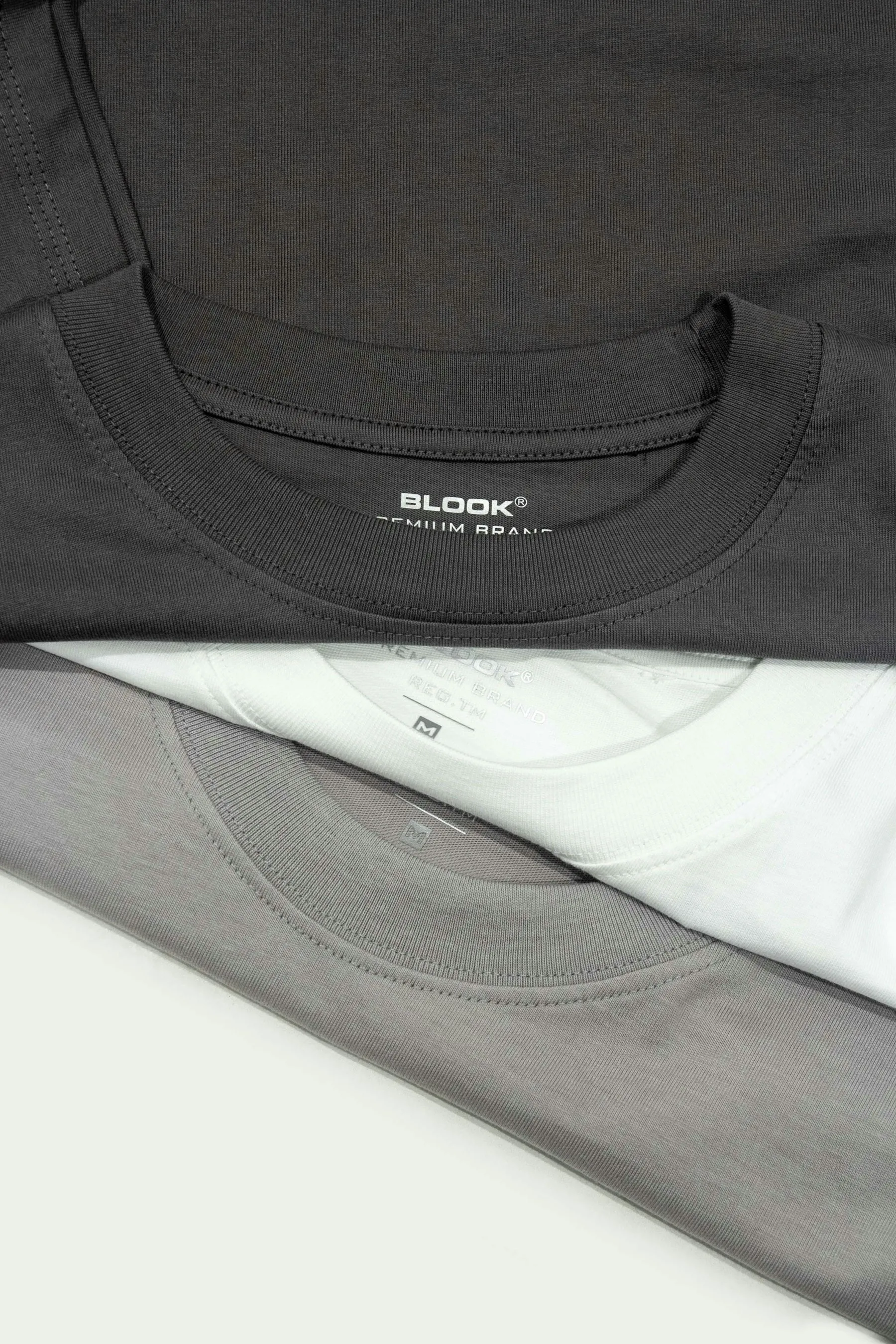
Knit structure: single jersey, interlock or rib?
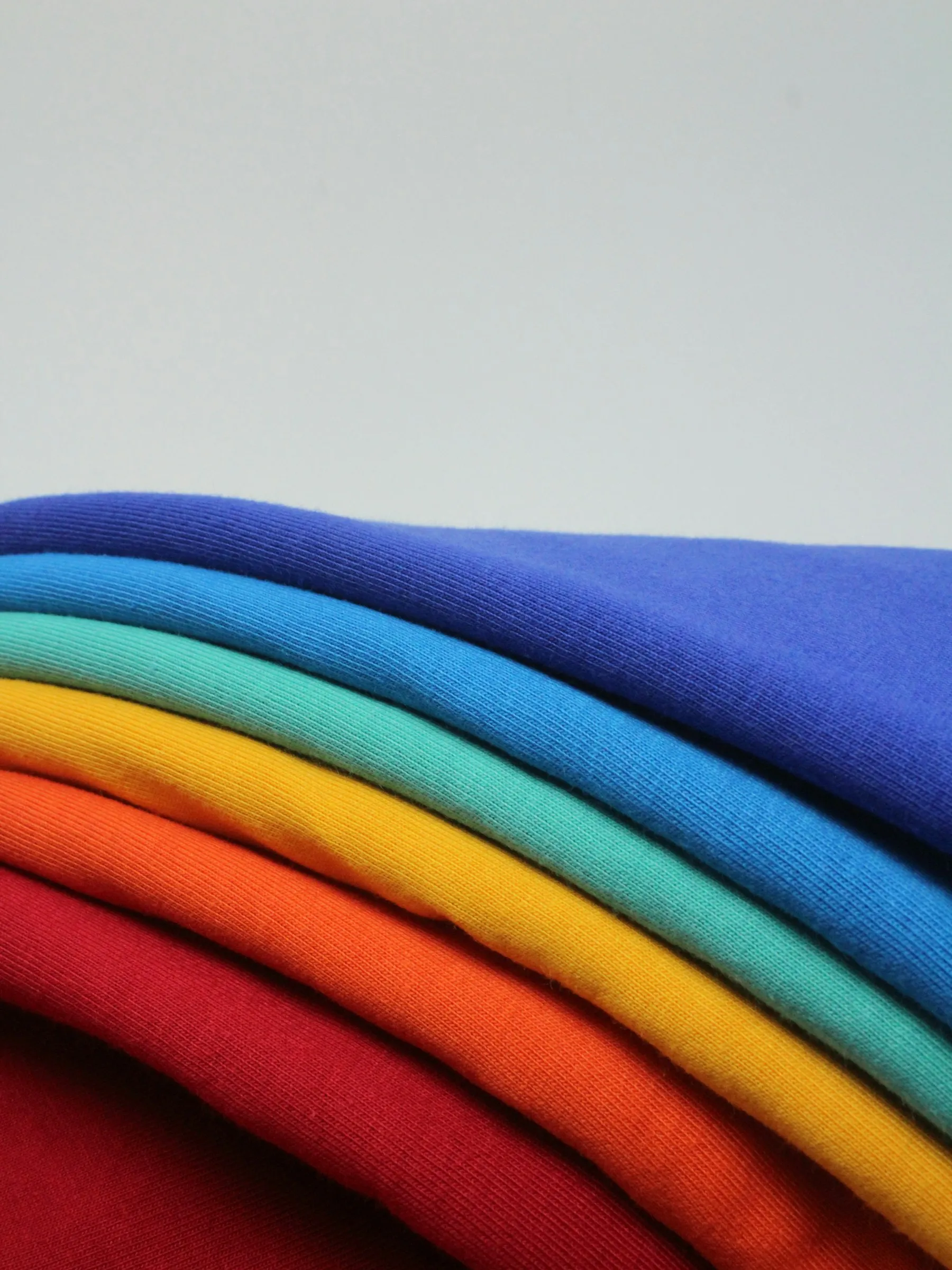
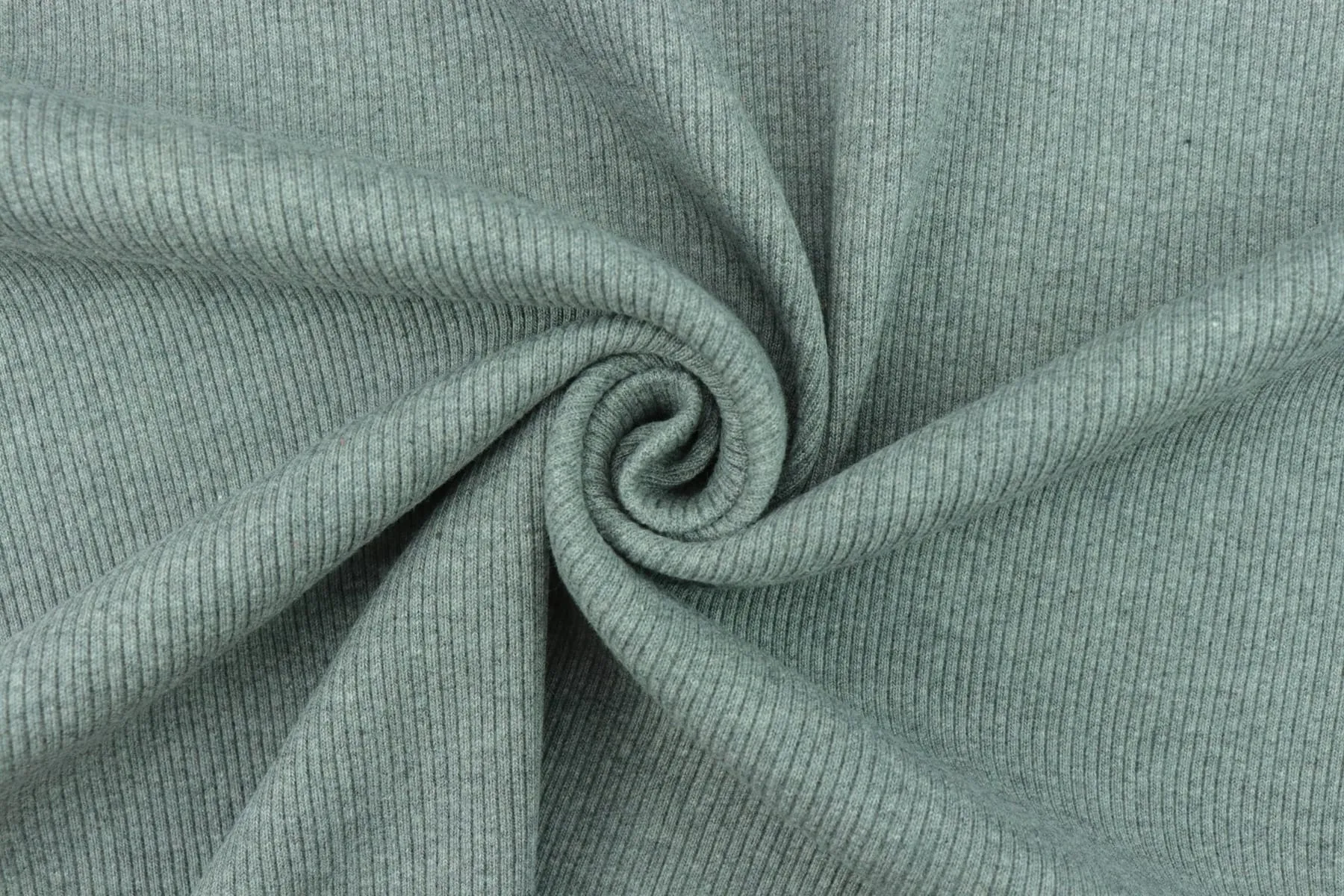
Single jersey is the standard T-shirt fabric: a plain weft knit with a smooth face and small loops on the back. Its cut edges curl, which is the main thing beginners notice. French terry also has a smooth face, but a second yarn forms larger loops on the back; it is a sweatshirt knit, not a tee knit. See French terry vs jersey. Interlock (sometimes called double jersey) is two layers knitted together, so it is thicker, smoother, more stable, does not curl and is usually less see-through (The Source Apparel; Voyager Textile). Rib knit has much more crosswise stretch and is usually used for the neckband, not the body.
Ourlette’s beginner jersey guide compares the common knits like this:
| Knit | Weight | Stretch | For a tee |
|---|---|---|---|
| Cotton-elastane jersey (~5% elastane) | 180–220 gsm | 40–60%, good recovery | Best start for T-shirts |
| Cotton jersey (no elastane) | 140–180 gsm | 20–30%, little recovery | Fine, but curls more |
| Interlock | 180–250 gsm | 30–50% | Easy: does not curl |
| Viscose or bamboo jersey | 160–220 gsm | 50–70% | Drapey and slippery |
| Rib knit | 200–300 gsm | 60–100% | Neckbands, cuffs, hem bands |
Source: Ourlette, Jersey knit for beginners. Treat the ranges as typical, not guaranteed; always check the listing and a swatch.
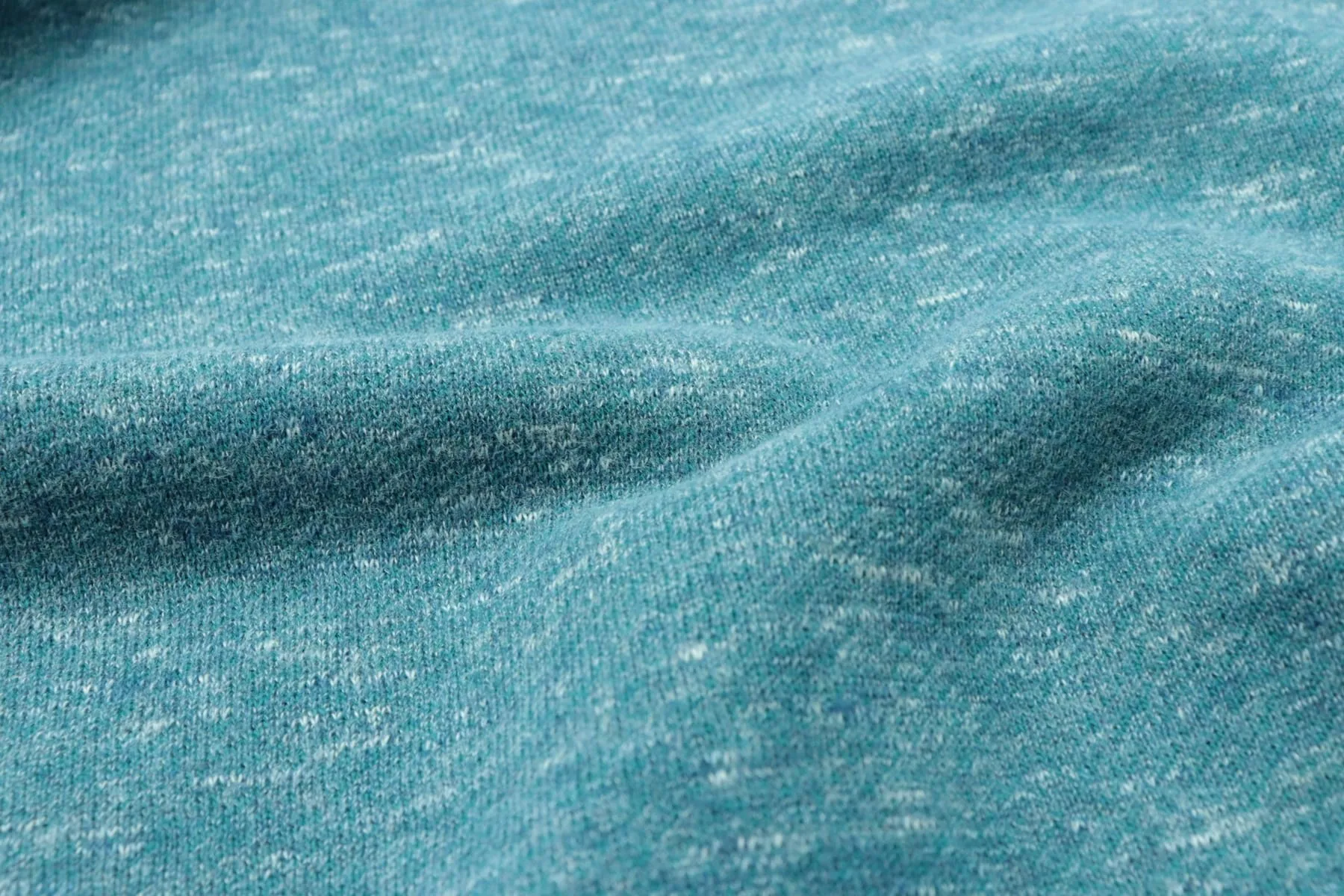
Fiber: cotton, cotton-spandex, blends or rayon?
Our fabric fiber guide covers each fiber in depth. For T-shirts, the practical differences are these:
| Fiber | Feel | Sewing | Watch for |
|---|---|---|---|
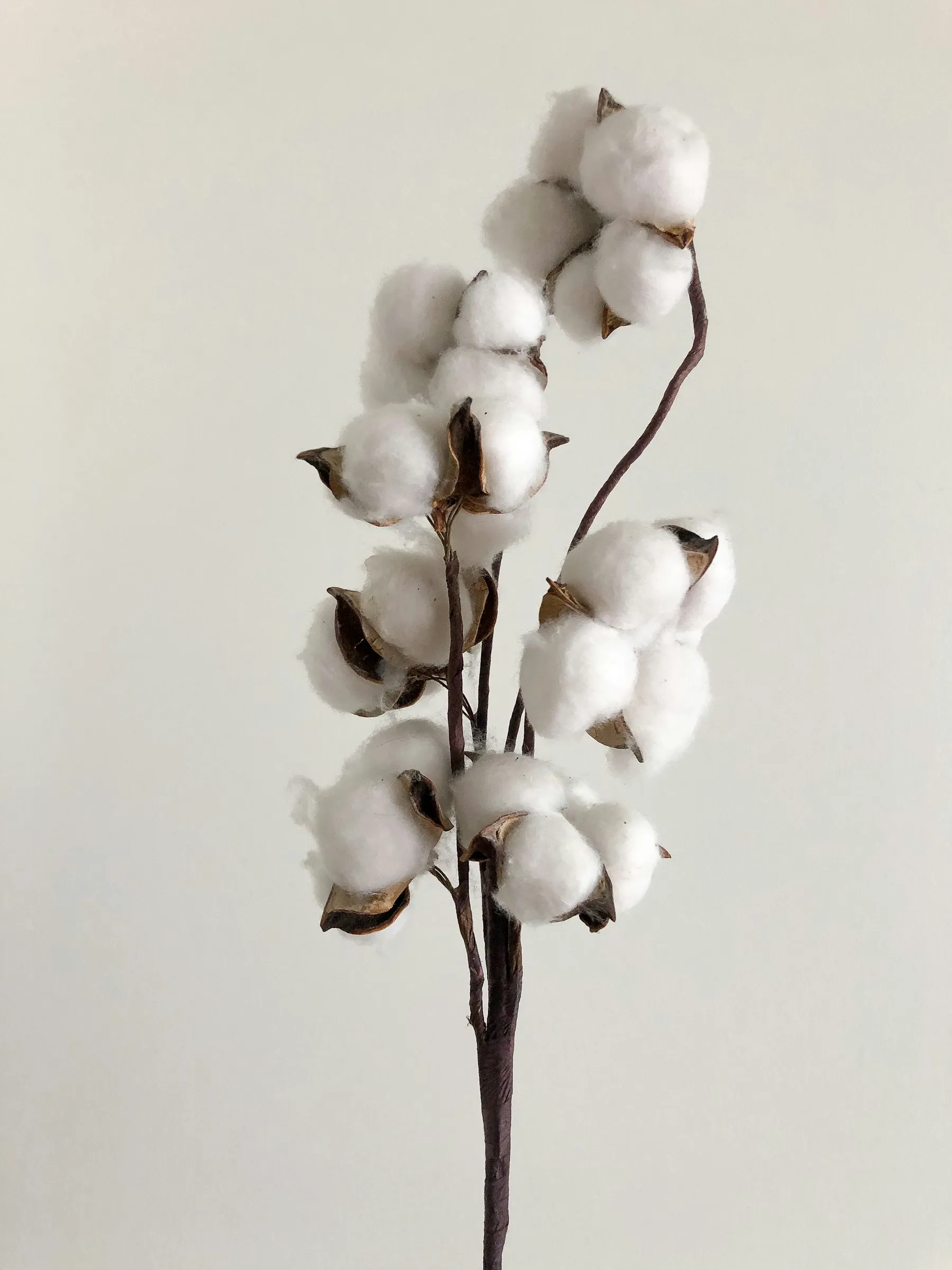
| 100% cotton jersey | Soft, breathable, classic | Easy; edges curl | Shrinks on the first wash; less recovery at the neckband |
| Cotton + ~5% elastane | Soft with snap-back | Easiest jersey to control | Wash and dry it the way you’ll wash the tee before cutting |
| Cotton-poly / tri-blend | Often heathered, durable | Easy | Can pill; less breathable than all-cotton |
| Viscose (rayon) / bamboo jersey | Cool, fluid drape | Slides and stretches as you sew | Use pins or clips generously and a walking foot if you have one |
Voyager Textile notes that cotton-poly and tri-blends are used for durability, reduced shrinkage and a heathered look, and that yarn quality matters as much as weight: combed and ring-spun cotton are smoother and softer and pill less than carded or open-end yarn. If a listing names the yarn, that is a good sign.
Weight: what gsm is best for a T-shirt?
Fabric weight is listed in gsm (grams per square meter) or oz/yd². Rough conversion: 1 oz/yd² ≈ 33.9 gsm. Published ranges line up closely:
| Weight (approx.) | What it feels like | Good for |
|---|---|---|
| ~130–160 gsm | Light, soft, airy; can be see-through in pale colors | Summer tees, layering, drapey styles |
| ~160–200 gsm | Balanced, everyday | Most fitted and regular tees |
| 200 gsm and up | Heavy, structured | Boxy, oversized and streetwear tees |
Sources: The Source Apparel (130–160 light, 160–180 everyday, 180–200 more structure, 200+ heavyweight) and Voyager Textile (about 165–190 gsm for most retail tees, 140–160 for lightweight, 200–250 for premium and boxy fits). For a first handmade tee, Ourlette suggests a medium weight of about 160–220 gsm.
Weight is not quality on its own. As The Source Apparel puts it, a well-made 160 gsm ring-spun jersey can feel better than a poorly made 220 gsm one. Hold a swatch to the light: if you can clearly see your hand through a white or pale jersey, choose a denser one.
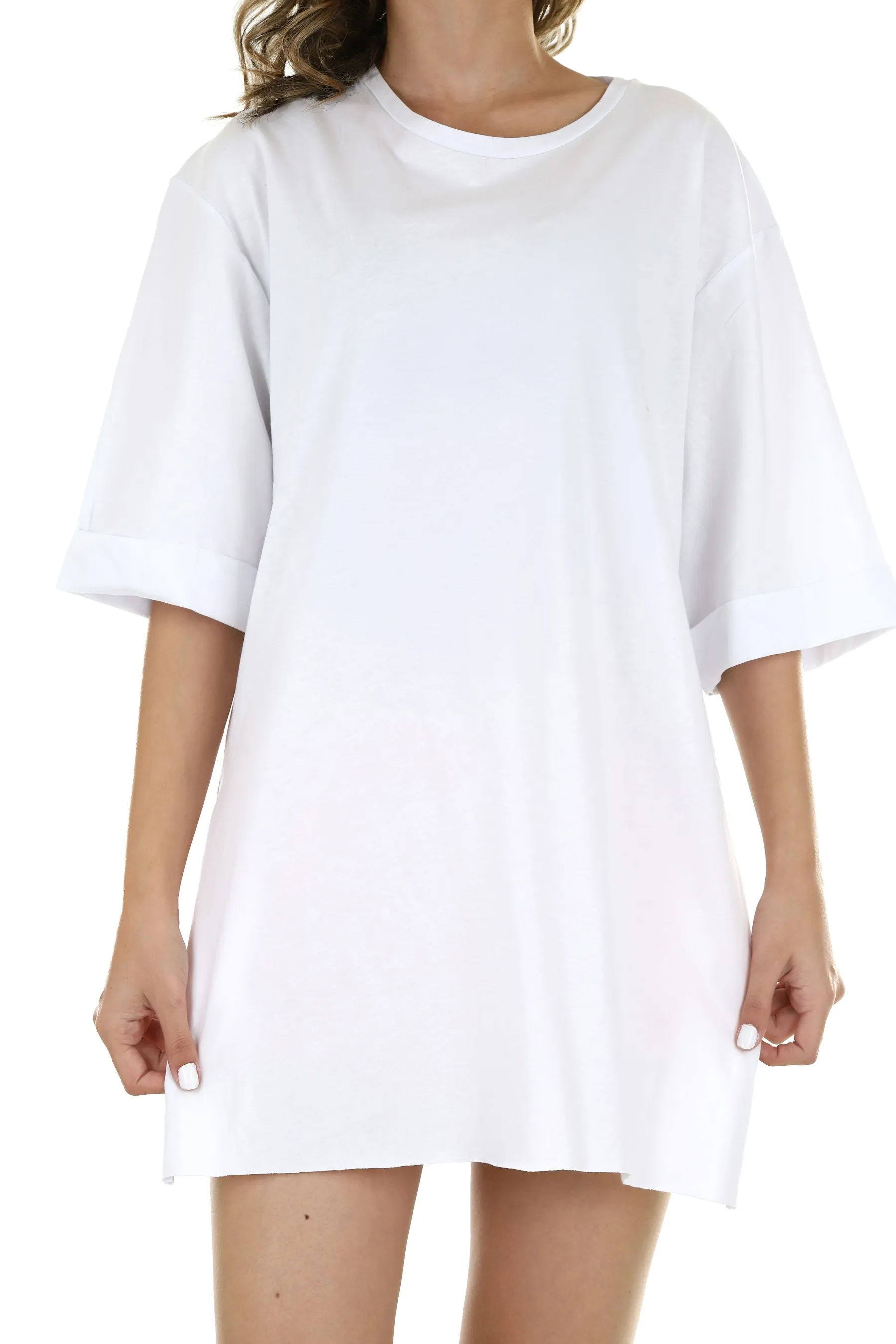
How much stretch does a T-shirt need?
Less than leggings, but it still matters. Grainline Studio’s Lark Tee asks for light to medium weight jersey with at least 20% stretch (Bolt & Spool listing). Ourlette says that 30% stretch with good recovery is plenty for a T-shirt and its neckband (Ourlette). Always use your own pattern’s number.
How to test stretch and recovery
- Fold the fabric along a crosswise line and mark 10 cm (4 in) on the fold.
- Hold one mark still and stretch gently until the fabric resists.
- If 10 cm reaches 13 cm, that’s 30%; if it reaches 15 cm, that’s 50%.
- Let go. Good jersey springs straight back. Fabric that stays stretched will bag at the elbows and neckline.
For the full method, including lengthwise stretch and a quick conversion table, see how to measure fabric stretch and recovery.
Sewing tee jersey on a regular machine
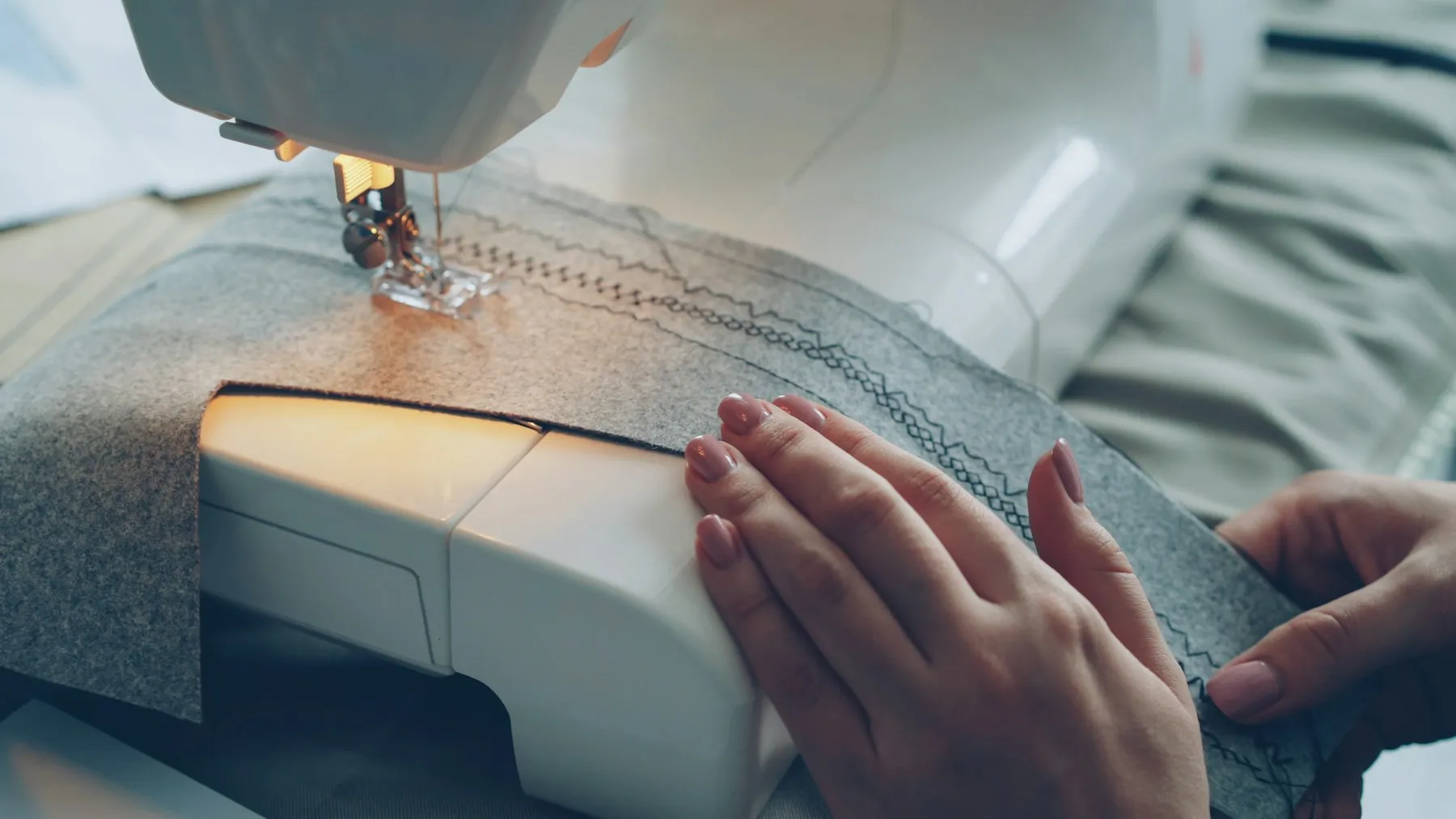
You don’t need a serger. Ourlette recommends a ballpoint 80/12 needle, or a stretch 75/11 for fabric with elastane, plus a narrow zigzag or stretch stitch, all-purpose polyester thread, and lower presser-foot pressure or a walking foot so the layers don’t shift. Schmetz describes its Stretch needle as made for highly elastic knits (Schmetz). Our guide to sewing knits without a serger walks through the settings, and how to hem knits with a twin needle covers a store-bought-looking hem.
Cotton jersey can shrink noticeably on its first wash, so wash and dry the yardage the way you’ll wash the finished tee before you cut. See should you prewash fabric? for fiber-by-fiber advice.
Which fabric for which tee?
| Tee you want | Search for | Weight ballpark |
|---|---|---|
| First handmade tee | Cotton-elastane jersey (~5% elastane) | ~160–220 gsm |
| Classic everyday tee | 100% combed or ring-spun cotton jersey | ~160–190 gsm |
| Kids’ tee or extra-stable tee | Cotton interlock | ~180–250 gsm |
| Drapey summer or relaxed tee | Viscose/rayon or bamboo jersey | ~160–220 gsm |
| Boxy, oversized or streetwear tee | Heavyweight cotton jersey | 200 gsm and up |
| Neckband | Matching rib knit, or the main jersey if it recovers well | Per pattern |
Once you’ve picked the fabric, check how much to buy in how much fabric for a T-shirt: most adult short-sleeve tees take about 1⅜ yards of 54–60” jersey.
For a first tee, a little elastane does more for you than any amount of extra weight. It keeps the fabric calm under the needle and the neckband flat.
Common questions
What is the best fabric for sewing a T-shirt?
A light to medium single jersey. Cotton with about 5% elastane at roughly 160–220 gsm is the easiest and most versatile; 100% cotton jersey, interlock and rayon or bamboo jersey are good alternatives.
What gsm is best for a T-shirt?
About 160–200 gsm suits most everyday tees. Around 130–160 gsm is light and summery but can be see-through; 200 gsm and up is heavy and structured, good for boxy and oversized fits.
Is 100% cotton or cotton-spandex better for T-shirts?
Both work. 100% cotton jersey is the classic, breathable choice but curls more and recovers less at the neckband. A blend with about 5% spandex (elastane) is easier to sew and springs back better.
Can I use interlock instead of jersey for a T-shirt?
Yes. Interlock is thicker, smoother and more stable, and it doesn’t curl at the edges, so it’s easy to sew. It’s a little warmer and less drapey than single jersey.
How much stretch does T-shirt fabric need?
Check your pattern. Grainline’s Lark Tee asks for at least 20% stretch; Ourlette says about 30% with good recovery is plenty for a tee and its neckband. Leggings and swimwear need far more.
Can I make a T-shirt from woven fabric?
Not from a pattern drafted for knits. Knit tee patterns rely on stretch to fit over your head and shoulders. For woven fabric, use a pattern designed for wovens, which adds ease or an opening.
Sources
- Ourlette: Jersey knit for beginners (knit types, weight and stretch ranges, needles)
- Ourlette: Sew your first T-shirt that fits (fabric choice, 160–220 gsm, 30% stretch, needles and stitches)
- Bolt & Spool: Grainline Studio Lark Tee (light to medium jersey, at least 20% stretch)
- The Source Apparel: T-shirt fabric guide: GSM, yarn and fabric types (gsm ranges, single jersey vs interlock)
- Voyager Textile: T-shirt manufacturing: fabric, cutting, sewing and QC (knit structures, blends, yarn quality, gsm ranges)
- Schmetz: Stretch needle (needle for elastic knits)
Free printable · The newsletter
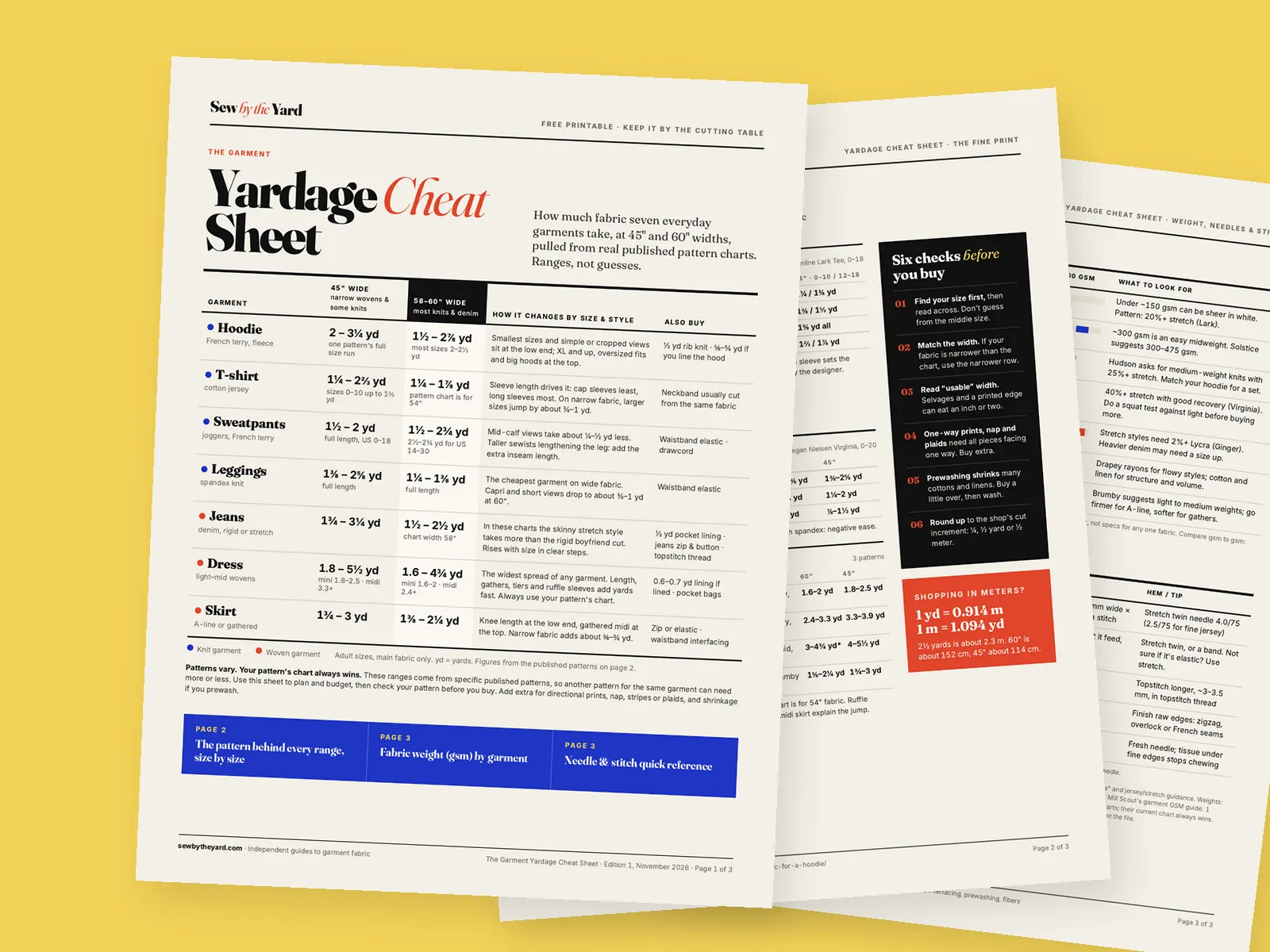
Never guess yardage again.
Join the Sew by the Yard newsletter and get The Garment Yardage Cheat Sheet: fabric amounts for seven garments at 45" and 60", a fabric-weight guide and a needle chart, on three printable pages.