Best Fabric for Joggers and Sweatpants
Sew joggers in midweight French terry or sweatshirt fleece. Compare stretch, GSM and yardage from published patterns, plus when to use rib cuffs.
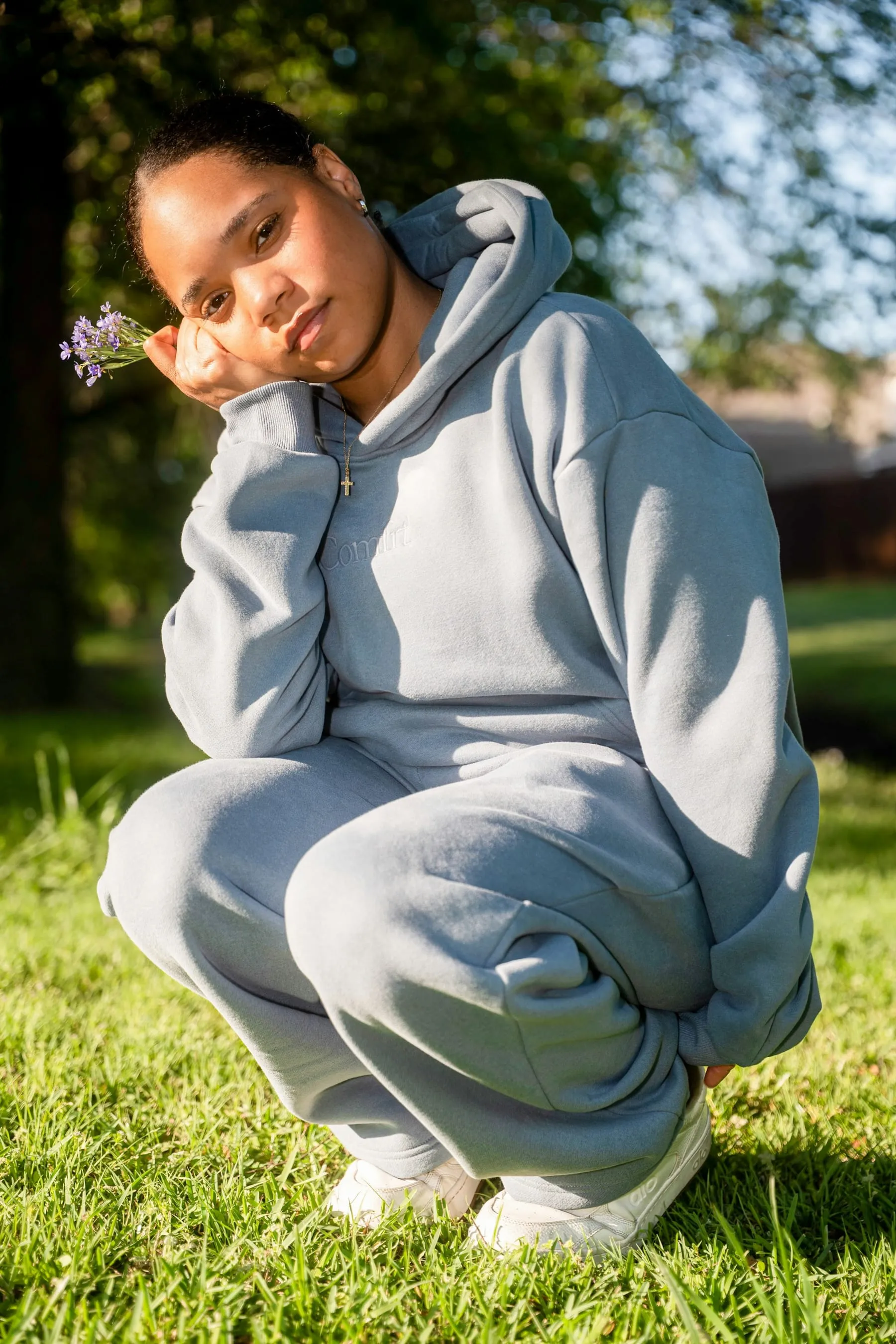
For most handmade joggers and sweatpants, start with midweight French terry or sweatshirt fleece. French terry (loopback, unbrushed) is the better year-round choice because it breathes; brushed sweatshirt fleece is warmer at a similar weight. Then match the fabric’s stretch to the pattern. A slim jogger like True Bias’s Hudson is drafted for stretchier knits (the pattern lists at least 25% stretch). A stable sweatpant like Helen’s Closet Evergreen is drafted for sweatshirting or French terry with little stretch, about 9–14 oz (300–475 gsm).
The face of both knits can look the same on the bolt. The wrong side, the weight and the stretch test tell you whether the pair will bag at the knee, cling or hold a tapered leg.
Which fabric should you choose?
- Best for year-round or workout joggers: cotton or cotton-rich French terry, often in a slightly lighter midweight than a winter sweatpant. The intact loops on the back let air move, which is why CottonWorks lists French terry for sweatpants and other layering sporty garments, and why our French terry vs fleece guide points to about 240–300 gsm for joggers you will wear in more than one season.
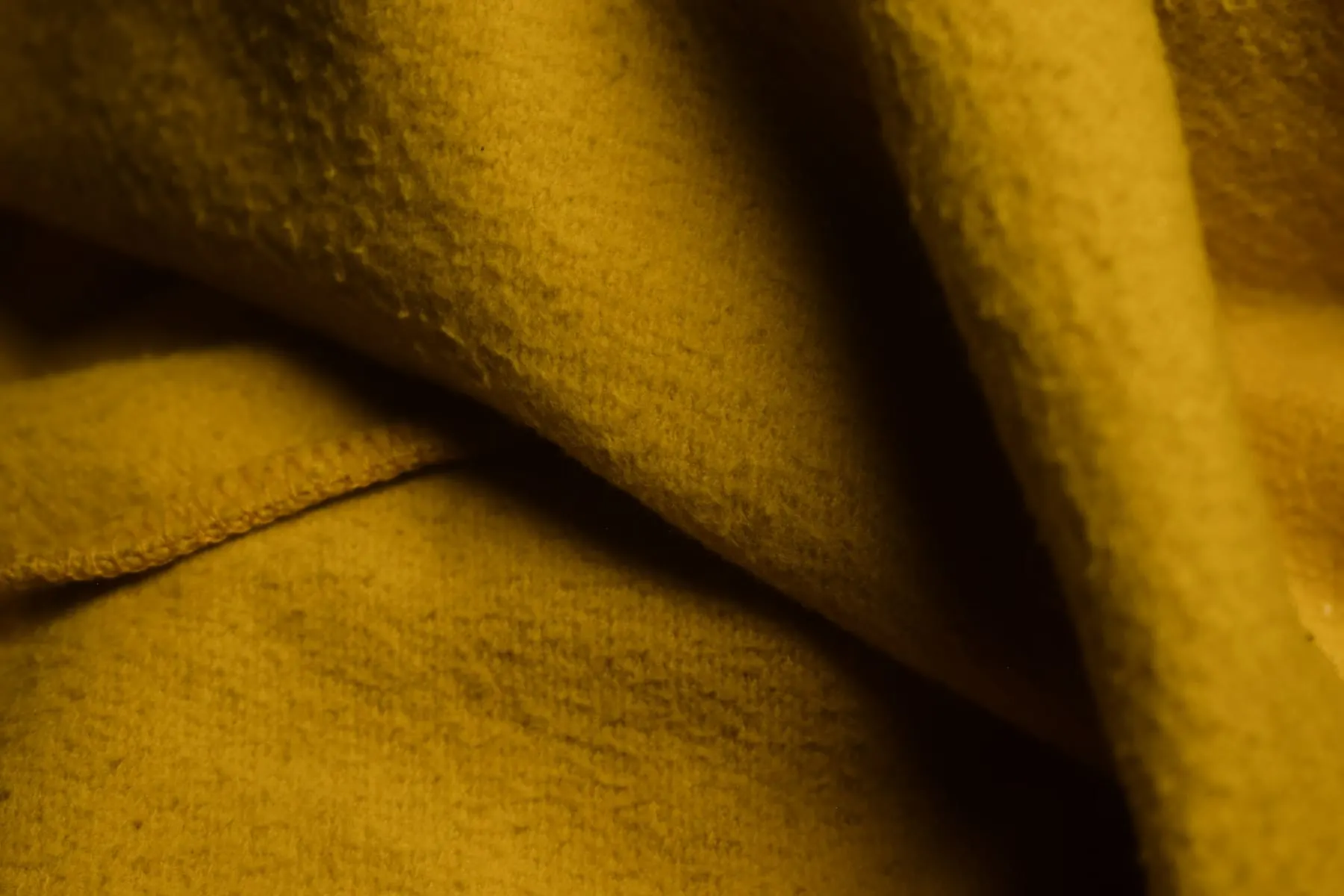
- Best for cold-weather lounge sweatpants: sweatshirt fleece (the same knit with the back loops brushed into a pile). CottonWorks describes fleece as the napped version of that structure, and generally heavier, for cold-weather and active garments.
- Best when the pattern wants more stretch and recovery: a cotton-lycra (cotton-spandex) knit or a French terry or fleece that includes a little elastane. True Bias recommends this for Hudson because the lycra helps the seat and knees bounce back (Hudson sewalong, fabric and notions).
- Best for a dressier, stable jogger: ponte, which True Bias also lists for Hudson. Ponte is a stable double knit; it has more body than jersey and less of a sweatshirt look.
- Usually skip for classic sweatpants: lightweight T-shirt jersey. It is too thin and drapey for most sweatpant patterns, and it is more likely to show underwear lines. Save jersey for tees; see best fabric for T-shirts and French terry vs jersey.
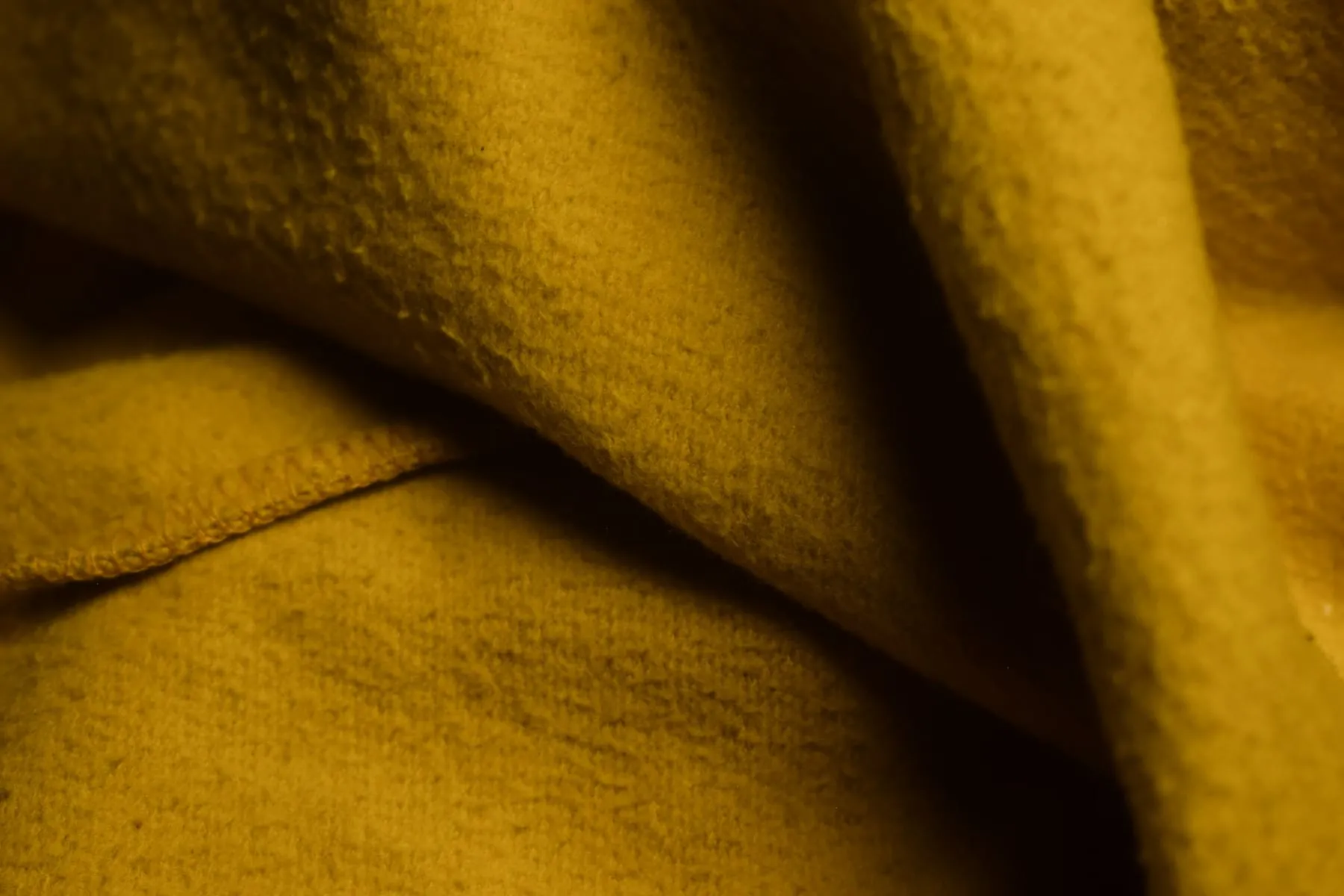
French terry vs sweatshirt fleece vs stretch knit
| Fabric | Wrong side | Typical role in joggers | Watch-outs |
|---|---|---|---|
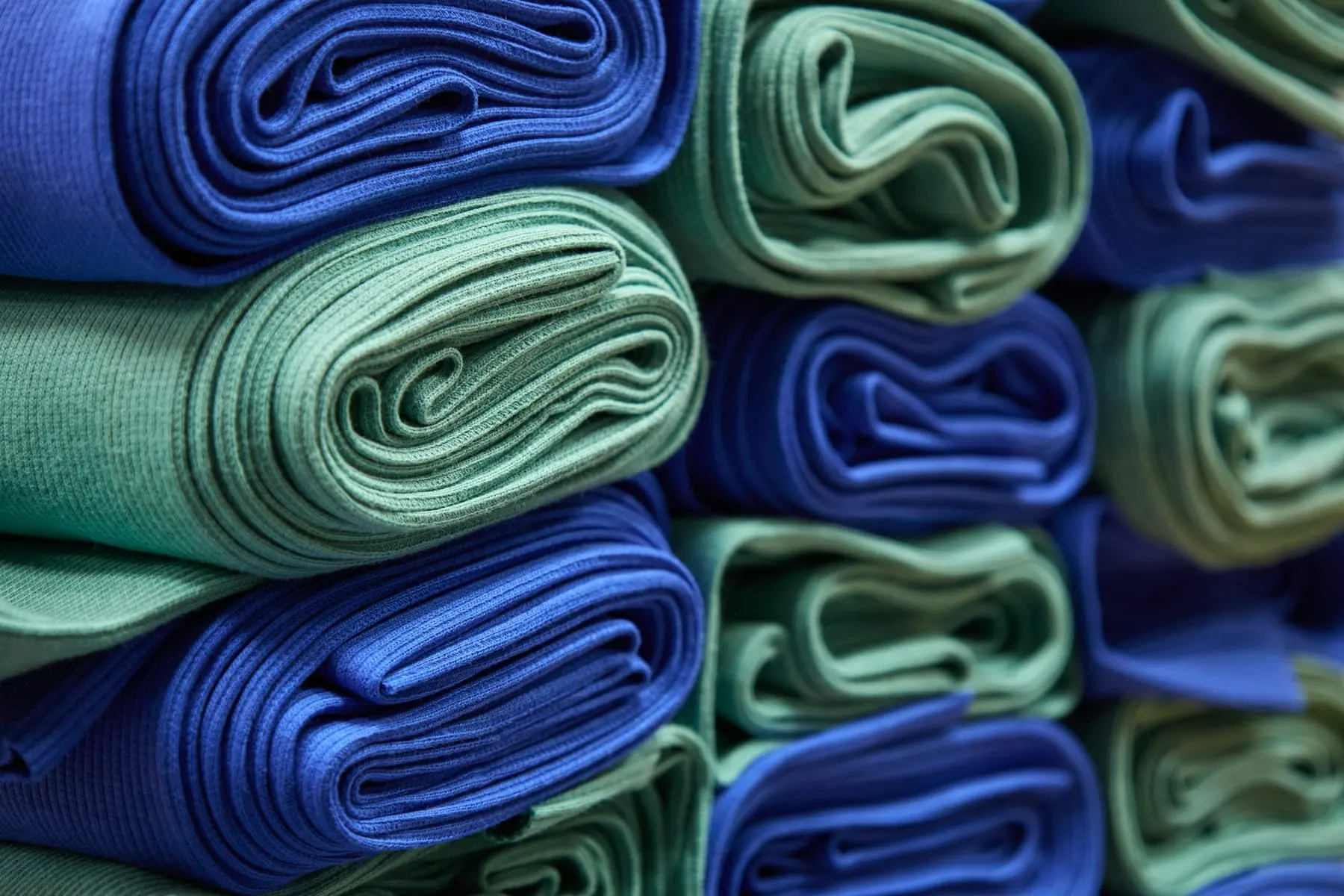
| French terry (loopback) | Intact yarn loops | Year-round joggers, lighter sweatpants | Needs enough weight to stay opaque; 100% cotton can bag if recovery is poor |
| Sweatshirt fleece (brushed back) | Soft, fuzzy nap | Warm lounge and winter sweatpants | Sheds lint; can feel bulky at cuffs and a tapered ankle |
| Cotton-lycra knit | Smooth jersey on both sides, or a light fleece/terry | Slim, stretchy joggers drafted for higher stretch | Check opacity; a thin cotton-lycra can be see-through at the seat |
| Ponte | Smooth, stable double knit | Cleaner, less “sweatpant” joggers | Drapes differently than fleece; test stretch against the pattern |
| Lightweight jersey | Fine loops or purl back | Rarely ideal as the main fabric | Thin, clingy and easy to see through once stretched |
CottonWorks is the source for the construction difference: French terry is 2-end fleece that has not been napped, and brushing those back floats is what turns it into fleece. Our French terry vs fleece comparison covers warmth, lint and seam bulk in more detail. To measure stretch and recovery before you cut, use how to measure fabric stretch.
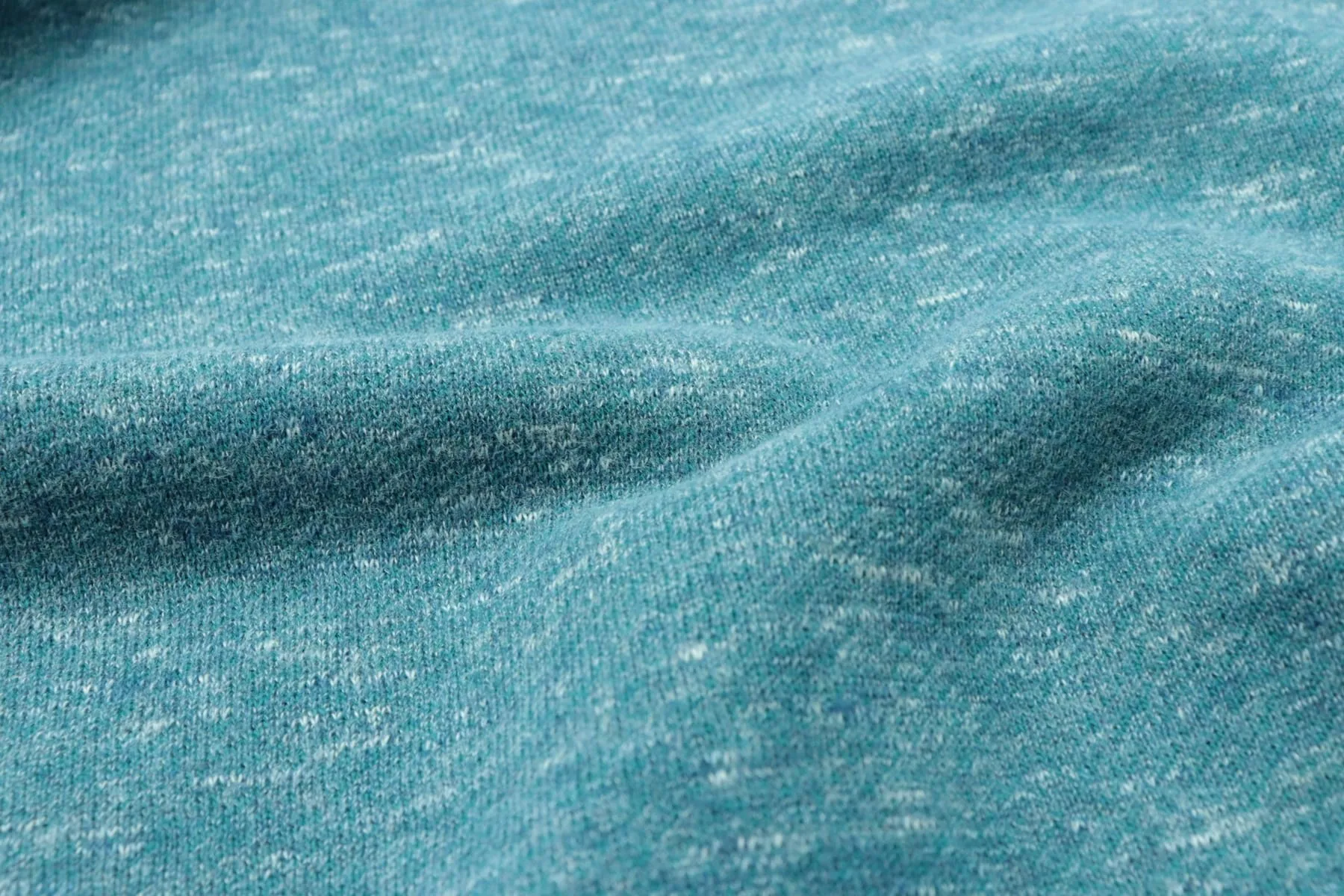
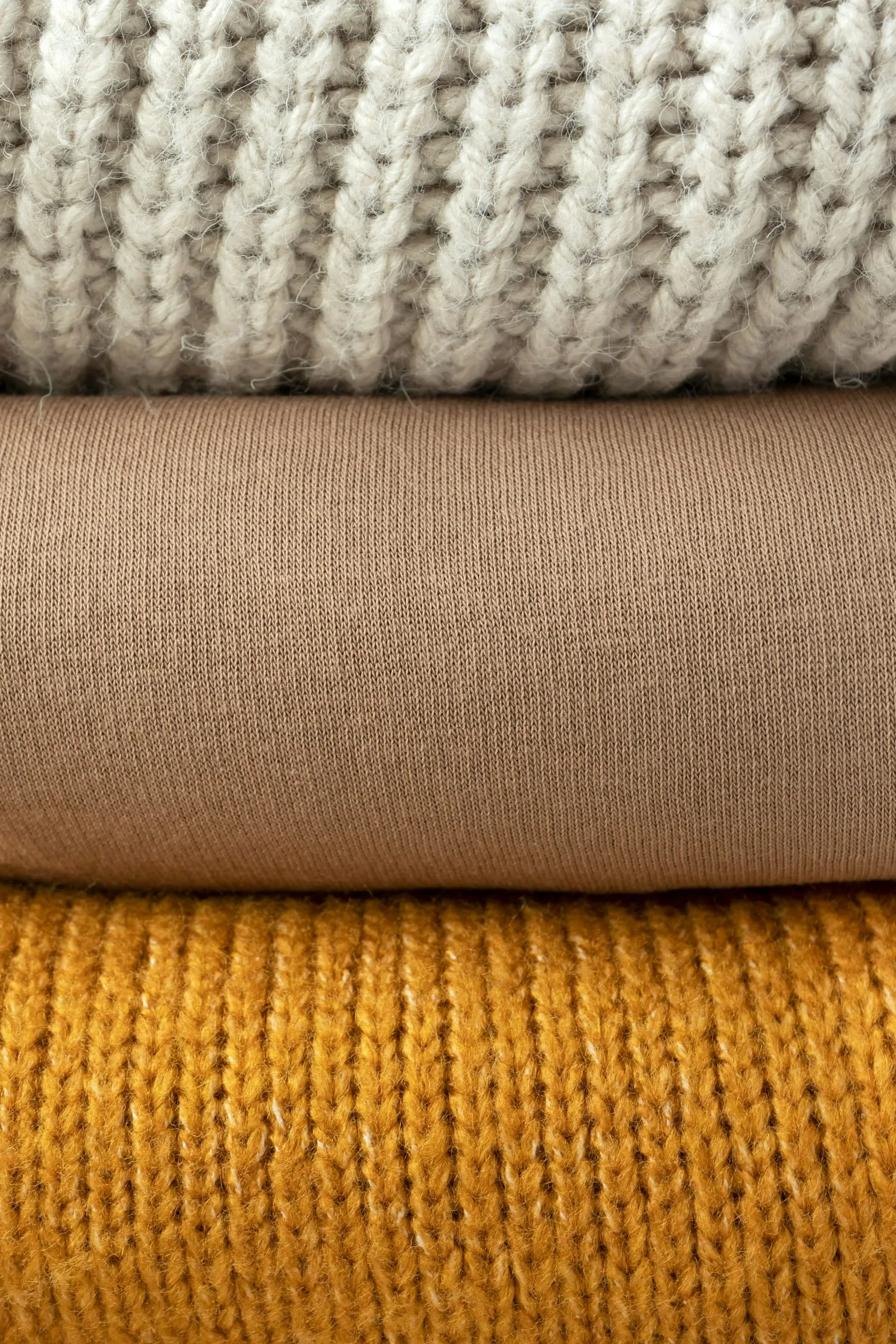
Match the fabric to the pattern’s stretch
Two well-known sweatpant patterns are not interchangeable on stretch. Use the number on your envelope, not a generic “sweatshirt knit” label.
| Pattern | Suggested fabrics | Stretch the designer asks for | Weight, if listed |
|---|---|---|---|
| True Bias Hudson Pant | Medium-weight knits such as cotton lycra, French terry, ponte and sweatshirt knit | At least 25% (the pattern page) | “Medium weight”; the sewalong describes many midweights as around 8–9 oz |
| True Bias Men’s Hudson | Medium to heavy French terry, ponte and sweatshirt knit | 40–75% (The Fold Line listing) | Medium to heavy |
| Helen’s Closet Evergreen Sweatpants | Sweatshirting and French terry; lighter or stretchier knits are allowed, with a drapier result | Minimal, 0–10% | About 9–14 oz (300–475 gsm) |
Sources: the Hudson product page, The Fold Line Men’s Hudson listing and the Evergreen product page.
True Bias’s Hudson sewalong also walks through a 4-inch stretch test printed in the instructions and notes that many sweatshirt knits have less stretch than the sewalong’s example, in which case you may want to go up a size (fabric and notions). Helen’s Closet made Evergreen in both a heavy, barely stretchy jogging fleece and a stretchier, drapier French terry, and described the two as serving different uses: shape and warmth versus a lighter, more relaxed pant (Two Evergreen Sweatpants).
How much fabric do you need?
Published charts vary with size, view and fabric width. These ranges are a planning guide only; buy from your pattern’s chart.
| Pattern | Width | Published range | What the range covers |
|---|---|---|---|
| True Bias Hudson, sizes 0–18 | 45” or 54” | View A (full length) 1.5–2 yd; View B (midcalf) 1.3–1.75 yd | Women’s Hudson, The Fold Line listing |
| True Bias Hudson, sizes 14–30 | 54” or wider | View A 2.5–2.7 yd; View B 2.1–2.3 yd | Extended size range, The Fold Line listing |
| True Bias Men’s Hudson | 54” | 2–2.2 yd | Men’s waist 28–42”, The Fold Line listing |
| Helen’s Closet Evergreen | 57” | 1–2.7 yd | Size 0–34, including the tapered pant and the short (Threadloop) |
| Helen’s Closet Evergreen | 45” | 1.3–3.7 yd | Same size range and both views (Threadloop) |
Sources: The Fold Line, Hudson Pant, The Fold Line, Men’s Hudson and Threadloop’s Evergreen listing. The Evergreen numbers span the short and the full pant, so they are a wide bracket, not a single size’s cut.
Add extra if you are matching stripes or prewashing a cotton knit that may shrink. Our prewashing guide covers typical first-wash shrinkage, and the fabric yardage calculator can help you sanity-check a number.
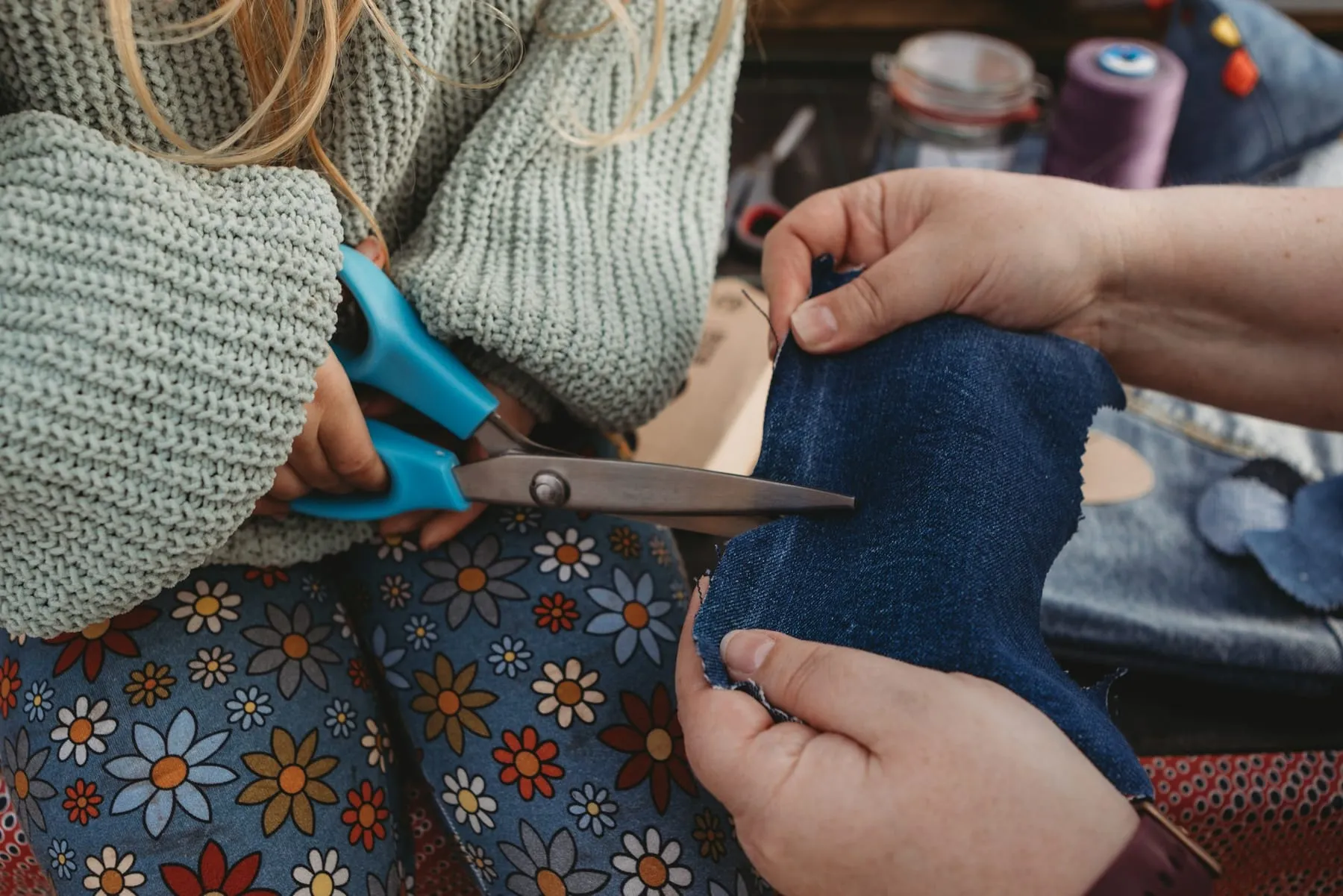
Rib cuffs, waistbands and elastic
Not every sweatpant uses ribbing.
- Hudson finishes the ankle (or midcalf) with cuffs, and the waist with 2-inch elastic plus a drawstring, not a rib waistband. The pattern lists 1½ yards of 2-inch elastic on the product page, and the sewalong says you can use a little less if your waist is smaller. You can cut the cuffs, waistband and pocket trim from a contrast knit; the sewalong sets aside ½ yard for that contrast option.
- Evergreen uses an elastic waistband and, on the tapered view, an elasticated cuff, not a rib hem. Helen’s Closet lists 1½-inch and 1-inch elastic, with the lengths on the pattern’s fabric chart.
If your pattern does call for rib ankle cuffs or a rib waistband, cut them shorter than the opening and stretch them on, the same way as hoodie cuffs. Our ribbing for hoodies guide has the length ratios and a shopping-table for how much rib to buy, and how to sew a T-shirt neckband shows the quarter-pin method.
How to sew the fabric
French terry and sweatshirt fleece sew on a regular machine with a jersey or stretch needle and a narrow zigzag or stretch stitch. Don’t pull the fabric through the machine or the side seams will wave. Details are in how to sew knits without a serger. A walking foot helps on bulky fleece, especially at the ankle and waistband joins.
Wash and dry the yardage, and any ribbing, the way you will wash the finished pants before you cut.
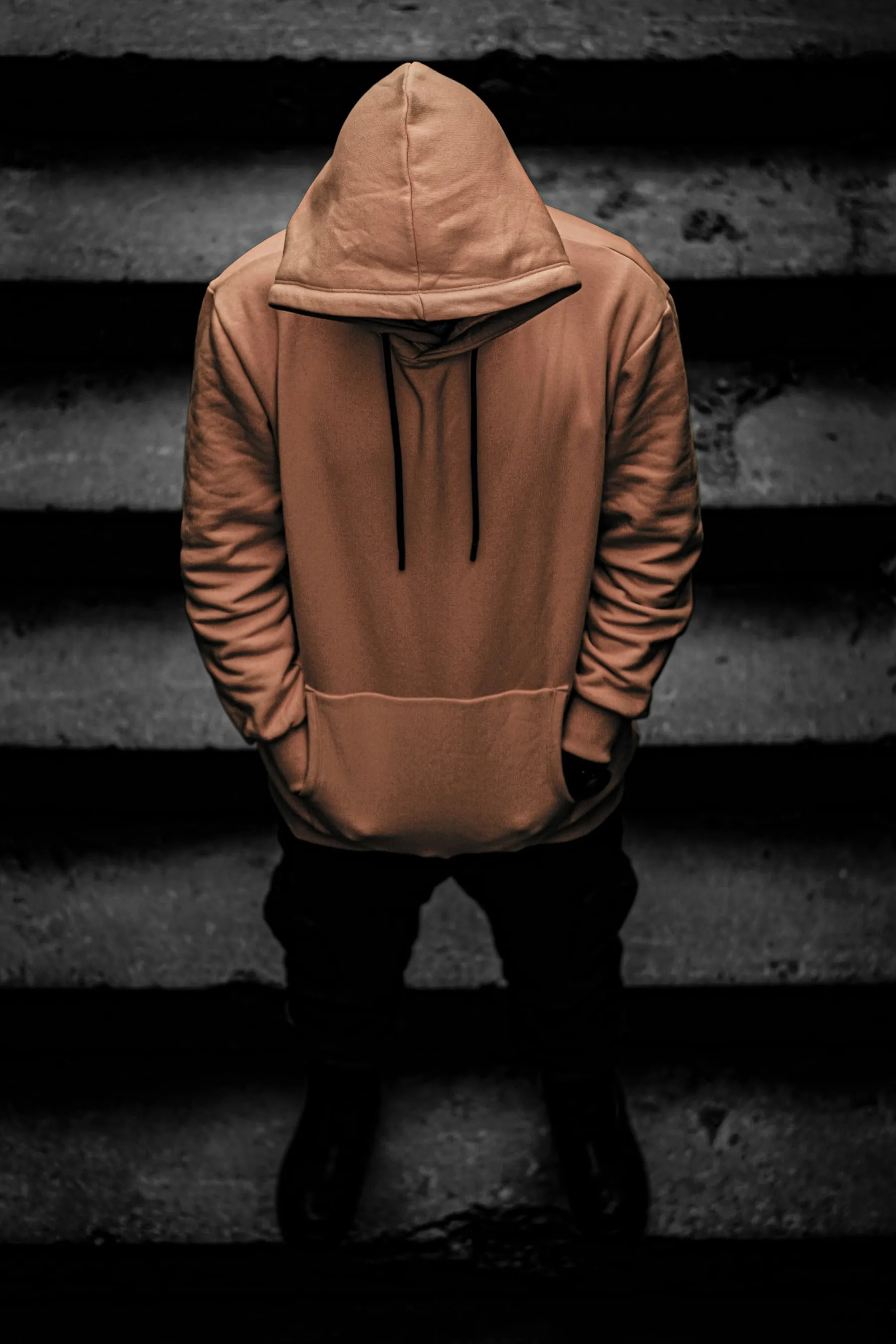
Choose the pattern’s stretch first, then choose loopback or brushed back for the climate.
Common questions
Is French terry or fleece better for sweatpants?
French terry is better for joggers you will wear in more than one season, because the unbrushed loops stay more breathable. Fleece is warmer at a similar weight, so it suits lounge and cold-weather sweatpants. CottonWorks describes French terry as un-napped fleece, and fleece as the same structure after the back is brushed.
Can I use hoodie leftovers for joggers?
Sometimes, if the leftover knit meets the pants pattern’s stretch, weight and opacity notes. A stable 350 gsm fleece that sewed a boxy hoodie may be too tight in a slim, high-stretch jogger, and a stretchy cotton-lycra that made Hudsons may make a “stable” sweatpant pattern turn out drapier than designed. Check both charts, then measure the stretch.
How much fabric do I need for joggers?
For many adult patterns on about 54–57 inch fabric, plan on roughly 1½ to 2¾ yards for a full-length pair, depending on size and view. True Bias Hudson lists 1.5–2 yards (sizes 0–18) and 2.5–2.7 yards (sizes 14–30) for the full-length view. Always use your pattern’s chart.
Do joggers need ribbing?
Only if the pattern says so. Hudson uses knit cuffs and elastic at the waist. Evergreen uses elastic at the waist and an elasticated cuff on the tapered view. Rib ankle cuffs are common on other jogger patterns and are cut shorter than the opening.
What stretch do I need?
Whatever your pattern lists. Hudson’s pattern page asks for at least 25% in a medium-weight knit. Evergreen is drafted for 0–10% stretch in mid to heavy French terry or sweatshirting. Measure a 4-inch or 10 cm span as described in how to measure fabric stretch.
Sources
- CottonWorks (Cotton Incorporated): Single and double knits (French terry as un-napped 2-end fleece; fleece is the napped version)
- True Bias: Hudson Pant (fabric list, 25% or more stretch, elastic)
- True Bias: Hudson sewalong, fabric and notions (stretch test, cotton-lycra recovery, contrast trim yardage)
- The Fold Line: Hudson Pant and Men’s Hudson Pant (yardage and stretch)
- Helen’s Closet: Evergreen Sweatpants (fabric, 0–10% stretch, 9–14 oz / 300–475 gsm)
- Helen’s Closet: Two Evergreen Sweatpants (stable fleece vs stretchier French terry)
- Threadloop: Evergreen Sweatpants (yardage ranges by width)
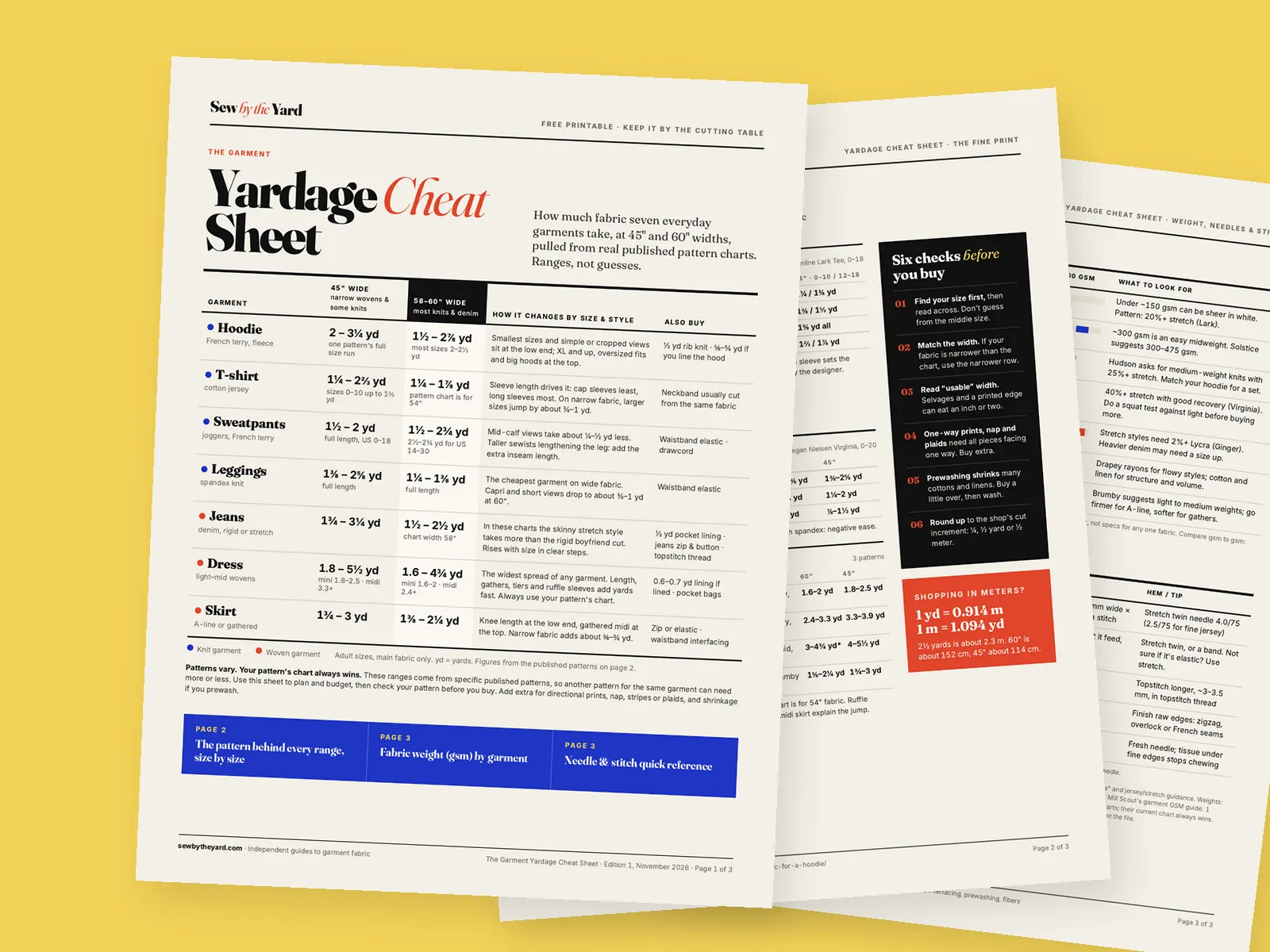
Free printable · The newsletter
Never guess yardage again.
Join the Sew by the Yard newsletter and get The Garment Yardage Cheat Sheet: fabric amounts for seven garments at 45" and 60", a fabric-weight guide and a needle chart, on three printable pages.