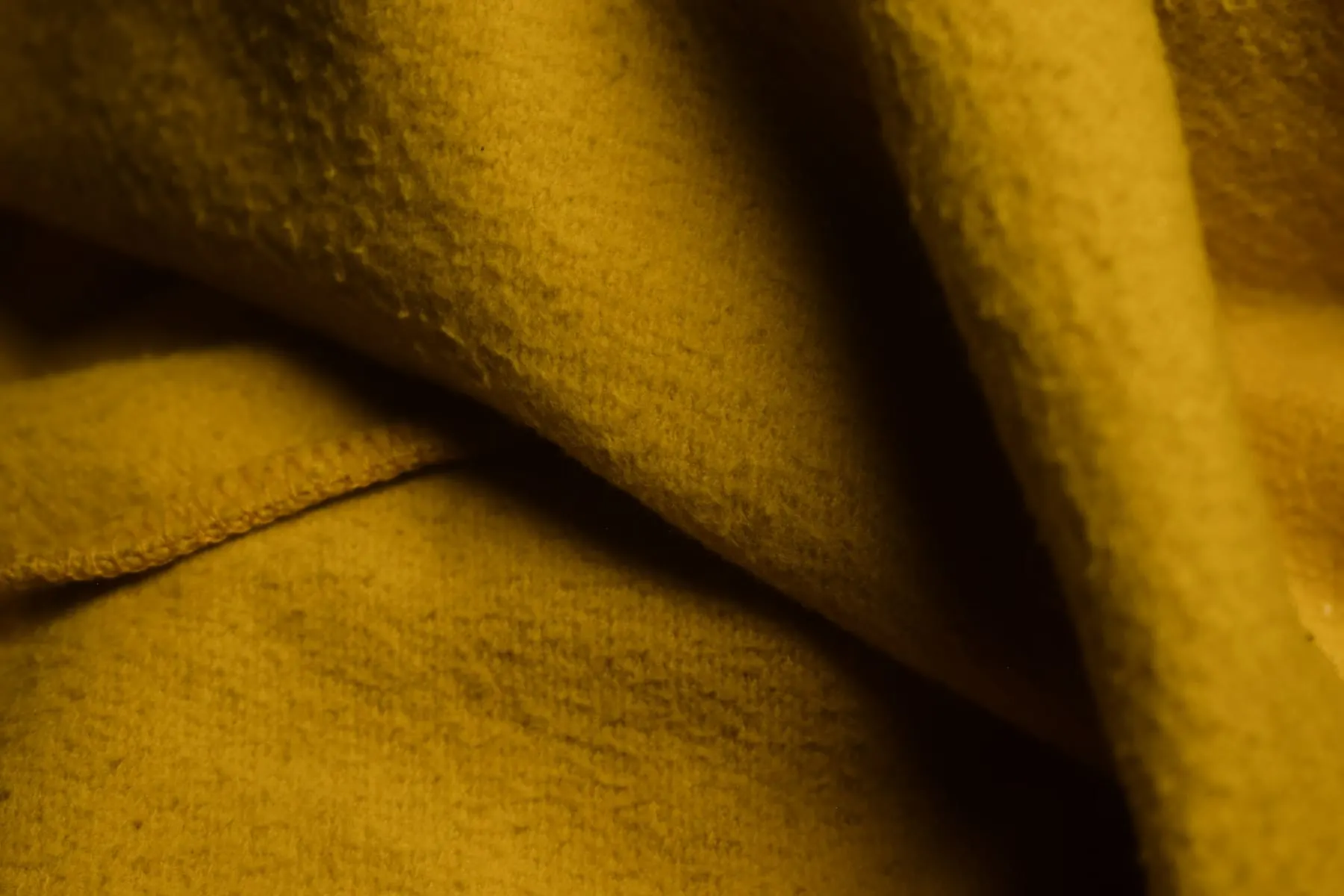
French Terry vs Jersey: What's the Difference?
Jersey is a single-knit T-shirt fabric. French terry adds loops on the back for body and warmth. Compare structure, weight, stretch and which to sew.
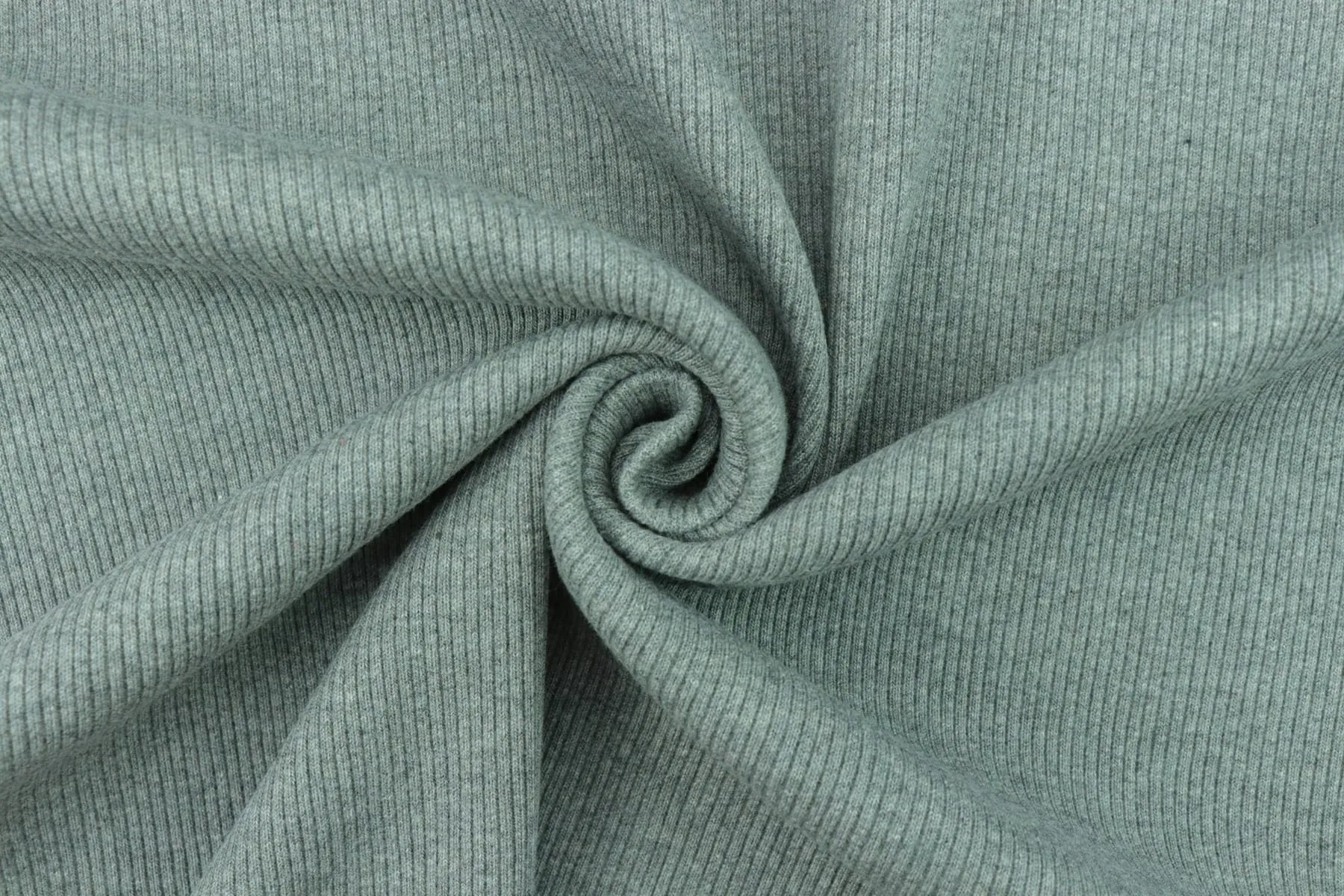
French terry and jersey are related knits, not the same fabric. Jersey is a single knit: the same yarn makes a smooth face of V-shaped stitches and a purl texture on the back. It is the standard T-shirt fabric. French terry starts with that same kind of jersey face, then a second yarn forms uncut loops or floats on the back. Those loops add body, warmth and absorbency, which is why French terry is the usual choice for sweatshirts, hoodies and joggers rather than tees.
CottonWorks, Cotton Incorporated’s knitting reference, is the clearest construction source: jersey uses the knit stitch across each course, while French terry is what the industry calls 2-end fleece that has not been napped, with a jersey face and float loops on the back.
If the back is brushed fuzzy instead of looped, you are looking at sweatshirt fleece, not jersey and not French terry. That comparison is in French terry vs fleece.
How can you tell them apart?
- Turn the fabric over. Jersey has a fine, flat reverse with small purl “crowns” or horizontal rows. French terry has distinct, uncut yarn loops or floats. Fleece has a brushed pile that hides those loops.
- Feel the weight and drape. Jersey is usually lighter and closer-fitting. French terry has more loft and hangs with more body.
- Look at a cut edge. Jersey, especially single jersey, curls toward the face. French terry still has some curl, but the extra back yarn makes it feel less flimsy.
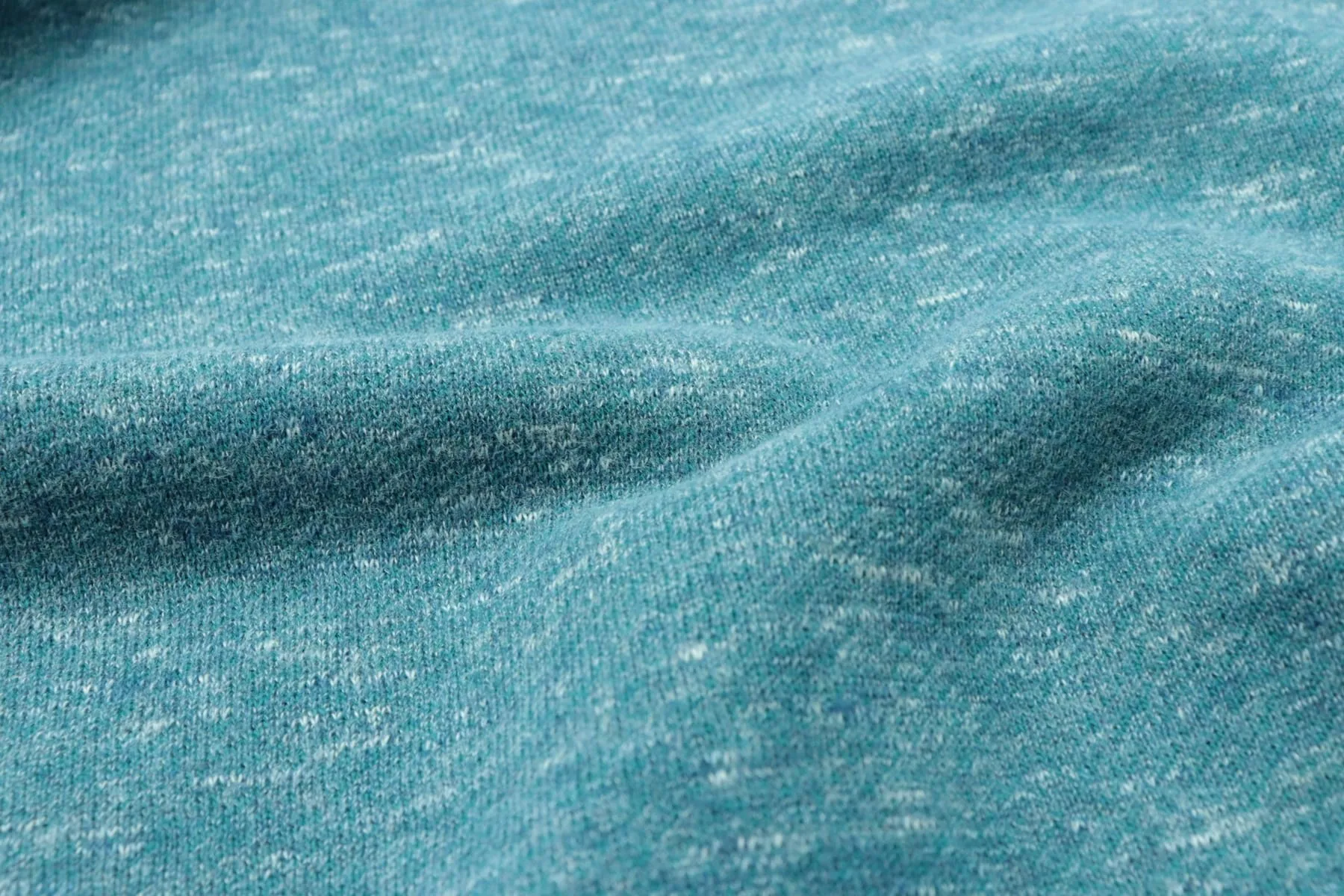
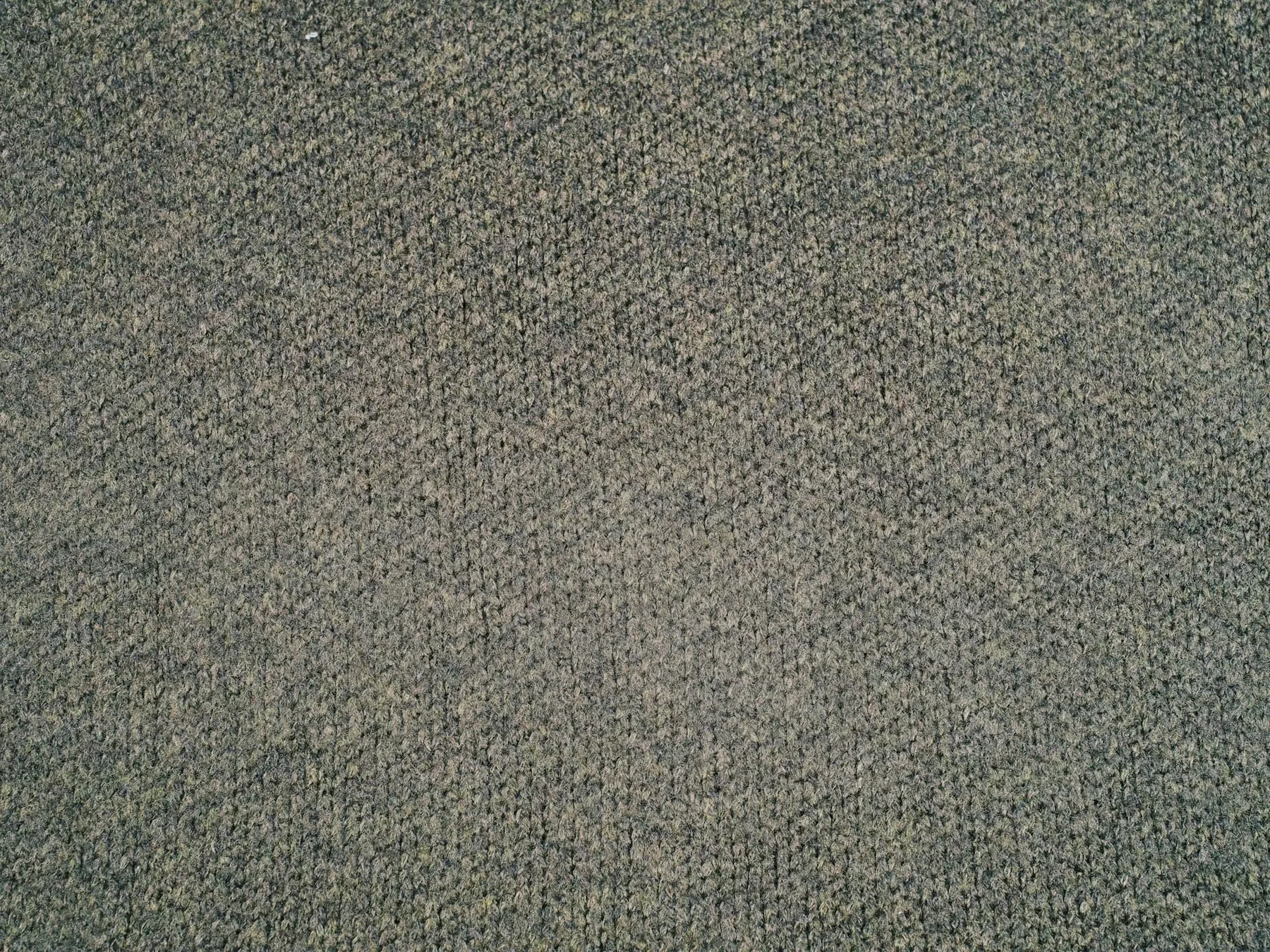
Side-by-side comparison
| Feature | Jersey (single knit) | French terry (loopback) |
|---|---|---|
| Construction | One yarn system; knit stitch on every needle, every course (CottonWorks) | Jersey face plus a second yarn that forms floats or loops on the back; un-napped 2-end fleece (CottonWorks) |
| Right side | Smooth columns of V-shaped stitches | Smooth jersey-like face |
| Wrong side | Purl texture; small crowns or horizontal rows | Intact loops or floats |
| Typical sewing use | T-shirts, tanks, underwear, light dresses, hood linings | Sweatshirts, hoodies, joggers, year-round layering garments |
| Typical weight for garments | About 160–220 gsm for most sewn tees; 130–160 gsm is light, 200 gsm and up is heavy (Ourlette; The Source Apparel) | Everyday sweatshirts often about 250–350 gsm; hoodie midweights often 280–340 gsm (see our hoodie fabric guide and French terry vs fleece) |
| Stretch | CottonWorks notes width stretch is about twice the length stretch. Everyday tee jersey is often in the 20–30% range without elastane, or 40–60% with about 5% elastane (Ourlette) | Usually more moderate and stable than tee jersey at a given fiber, because the fabric is heavier. Always measure the roll in front of you |
| Edges | Single jersey curls and can run; CottonWorks says it unravels from both ends when cut across the width | Still a single-knit family fabric, but the extra back yarn gives more body at the edge |
| Warmth and breathability | Lighter and cooler; the usual warm-weather T-shirt knit | Warmer than jersey of a similar fiber, still more breathable than brushed fleece |
| Best first project | A T-shirt in midweight cotton-elastane jersey | A hoodie, sweatshirt or pair of joggers in midweight terry |
Interlock (sometimes called double jersey) is a third option: two 1×1 ribs interlocked into a stable, non-curling fabric, also described by CottonWorks. It sews more like a stable tee fabric than like French terry. Rib knit is the stretchy trim used for neckbands and cuffs, not a substitute for either body fabric. See how to sew a T-shirt neckband and how much ribbing for a hoodie.
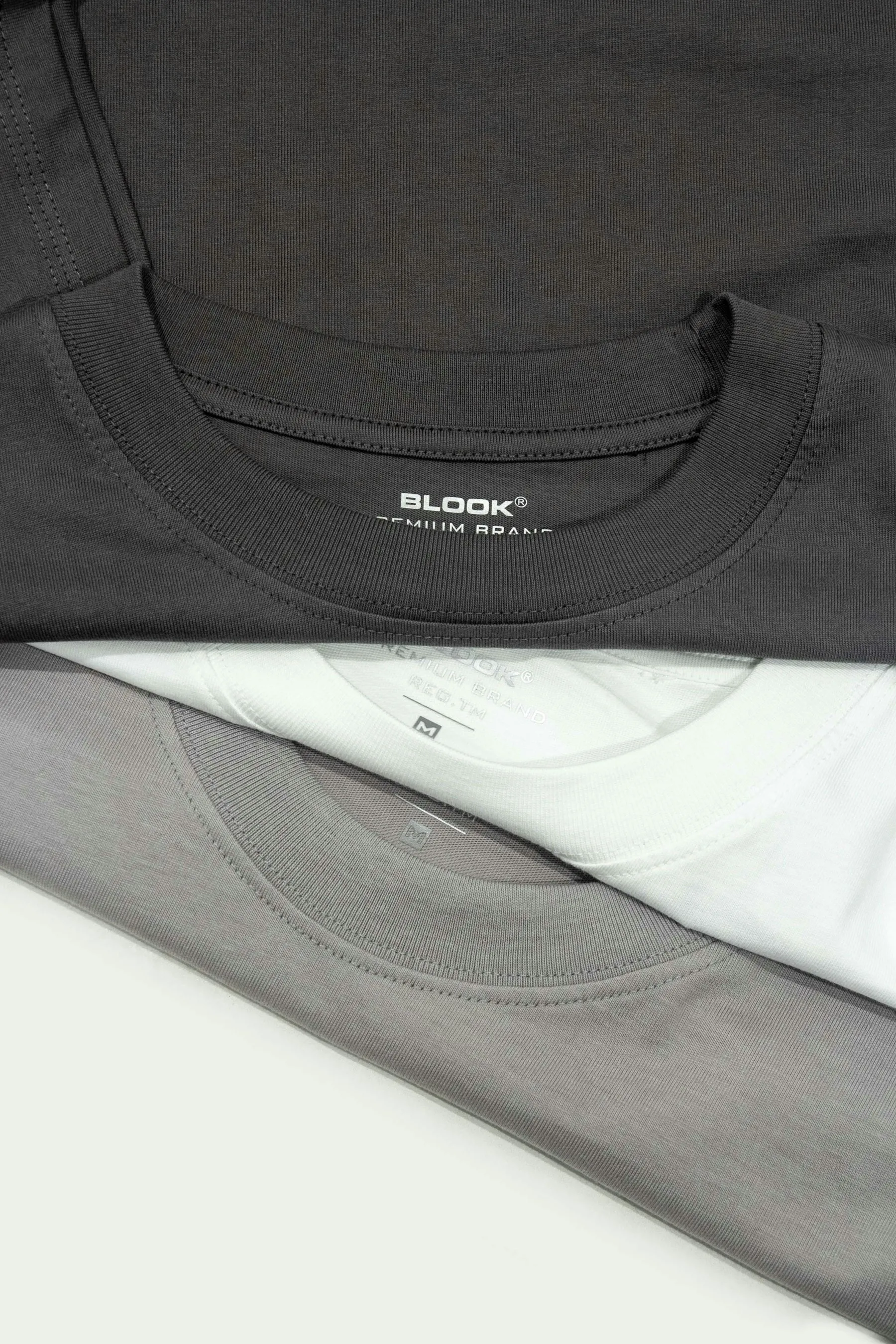
What should you sew with each one?
Sew jersey when you want a thin, close or drapey garment: tees, tanks, underwear, light dresses and, on a hoodie, often the hood lining. Grainline’s Lark Tee asks for light to medium jersey with at least 20% stretch, which is the usual neighborhood for a T-shirt pattern. Details, including gsm ranges, are in best fabric for T-shirts and how much fabric for a T-shirt.
Sew French terry when you want structure and a little warmth without a brushed inside: hoodies, crewnecks, joggers and year-round sweatshirts. CottonWorks calls it an excellent fabric for sweatpants, sweatshirts and other layering sporty garments, and notes that it performs well in all seasons because the back is not napped. For a hoodie, our starting midweight is about 280–340 gsm, with rib for the cuffs and hem; see best fabric for hoodies and best fabric for joggers and sweatpants.
Don’t swap them blindly. A jersey hoodie will sew, but it will be thin and drapey, closer to a “summer hoodie” than a sweatshirt. French terry makes a wearable boxy tee, but it will be heavier, warmer and less fluid than the pattern’s jersey assumption, and a jersey neckband formula may need a longer band because terry usually stretches less than tee jersey.
Stretch, recovery and care
Measure stretch before you cut, especially if you are substituting. The method is in how to measure fabric stretch and recovery. Recovery matters as much as the percentage: 100% cotton jersey or terry can grow at necklines, knees and cuffs; a little elastane improves snap-back.
Prewash both fabrics the way you will wash the garment. Cotton knits often shrink on the first wash; our prewashing guide gives fiber-by-fiber ranges. Wash matching rib with the body fabric if the two will be sewn together.
On the machine, both knits want a jersey (ballpoint) or stretch needle and a stretch stitch. Lightweight jersey is more likely to curl, stretch as you sew, or get pushed into the needle plate. Midweight French terry is usually the easier of the two on a home machine. Settings are in how to sew knits without a serger.

If the back is loops, it is French terry. If the back is a fine purl and the fabric is thin, it is jersey.
Common questions
Is French terry the same as jersey?
No. They share a smooth knit face, but French terry has a second yarn that forms loops or floats on the back. Jersey is a single-knit structure without those extra back loops. CottonWorks describes French terry as un-napped 2-end fleece built on a jersey face.
Can I use French terry instead of jersey for a T-shirt?
You can, if you like a heavier, sweatshirt-like tee and you check the pattern’s stretch and drape notes. Expect more body and warmth than a 160–220 gsm jersey tee, and test the neckband length, because terry often needs a slightly longer self-fabric band than stretchy tee jersey.
Can I use jersey for a hoodie?
Yes, for a thin, drapey “summer hoodie,” or as a hood lining. It will not have the warmth or structure of midweight French terry or fleece. Most hoodie patterns that list French terry or sweatshirt fleece are assuming more weight than everyday tee jersey.
Is French terry warmer than jersey?
Usually, yes, because the back loops add thickness and trap more air than a single jersey of the same fiber. Brushed sweatshirt fleece of the same construction is warmer still, which is the point of French terry vs fleece.
What gsm is French terry vs jersey?
There is overlap, but the common sewing ranges differ. Most handmade tees use jersey around 160–220 gsm, with lightweight jerseys down around 130–160 gsm. Everyday sweatshirt French terry is often around 250–350 gsm, and hoodie midweights around 280–340 gsm. Always read the listing; a heavy jersey and a light terry can sit near each other on a gsm scale, so also check the back of the fabric.
Sources
- CottonWorks (Cotton Incorporated): Single and double knits (jersey construction; French terry as un-napped 2-end fleece; fleece as the napped version; rib and interlock)
- Ourlette: Jersey knit for beginners (typical jersey stretch and gsm ranges)
- The Source Apparel: T-shirt fabric guide (tee gsm bands)
- Grainline Lark Tee fabric note, via the Bolt & Spool listing cited in our T-shirt guide (at least 20% stretch)
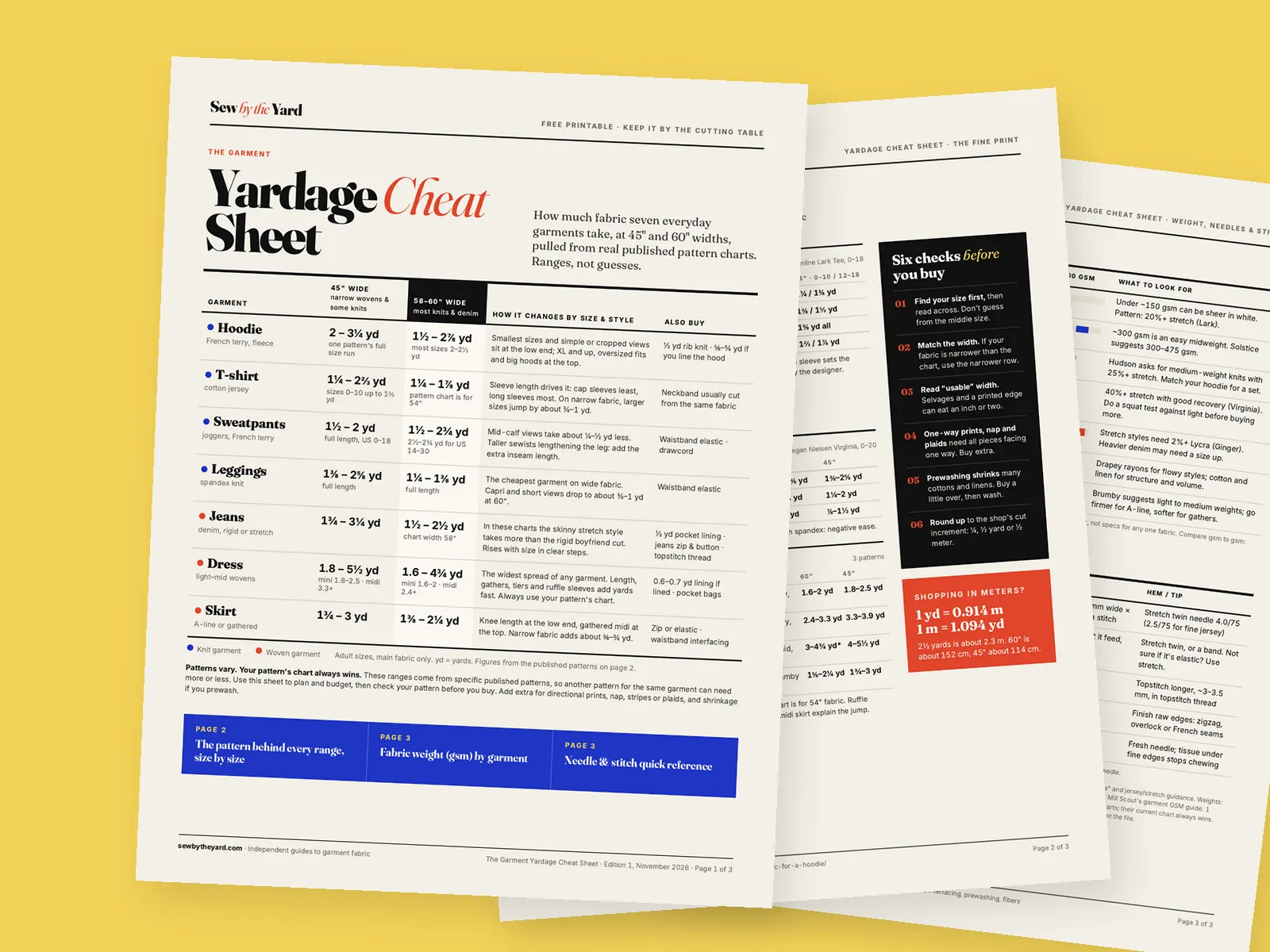
Free printable · The newsletter
Never guess yardage again.
Join the Sew by the Yard newsletter and get The Garment Yardage Cheat Sheet: fabric amounts for seven garments at 45" and 60", a fabric-weight guide and a needle chart, on three printable pages.